The Order of Sacrifice: A Divine Pattern of Worship
“And the priests, Aaron’s sons, shall lay the parts, the head, and the fat, in order upon the wood that is on the fire which is upon the altar:” — Leviticus 1:8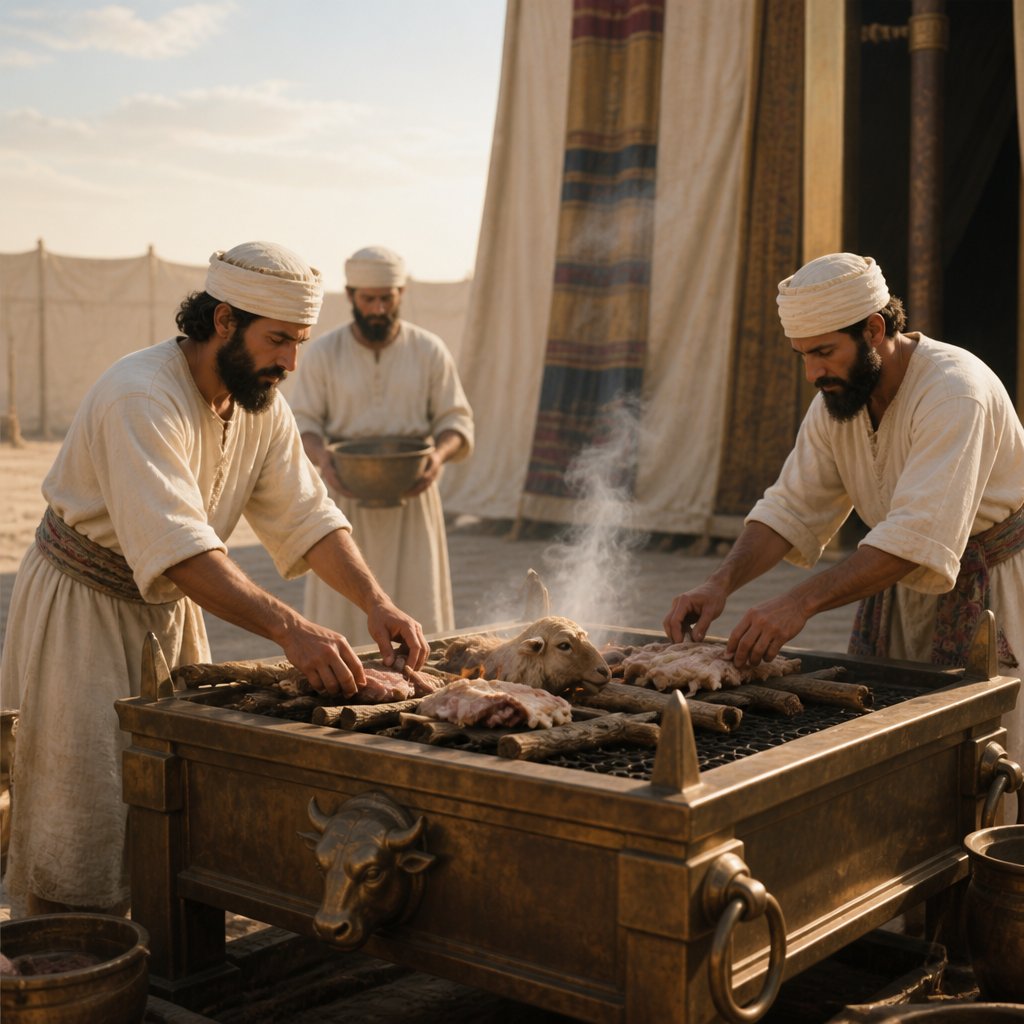
Leviticus 1:8 states, "And the priests, Aaron's sons, shall lay the parts, the head, and the fat, in order upon the wood that is on the fire which is upon the altar." This verse is nestled within the broader context of the sacrificial system established by God for His people. It serves as a profound reminder of the holiness of worship and the meticulousness required in approaching God.
In the ancient days of Israel, the process of sacrifice was understood as an essential component of communal and personal worship. It was not merely a ritual to appease a deity, but rather an avenue for the people to express their devotion, repentance, and recognition of God’s holiness. The details provided in Leviticus are striking. God is not a God of chaos but of order. Thus, in the very act of laying out the parts of the offering—specifically the head and the fat—the priests were following an ordained pattern established by God.
The act of laying the parts in order upon the altar highlighted two significant aspects of worship: the importance of authenticity and the reverence owed to God. The head of the animal represents the consciousness of the worshiper; it symbolizes the intellect and the decisions made. Positioned in a place of honor on the altar, it symbolizes the intent of submission to God's sovereignty, as well as a willingness to surrender one's thoughts to God’s will. Such an offering speaks to the idea that true worship involves an engagement of our minds, aligning our thoughts with the truth of who God is.
In contrast, the fat of the animal, seen as the best and richest portion, further signifies the quality of our offering to God. In a world where mediocrity is often the standard, God calls His people to offer their best. It challenges us to consider: Are we bringing God our leftovers or our first fruits? The fat, which God designated for His use alone, illustrates the principle of giving up what is valuable and precious to us. It asks us to reflect on what we are withholding from Him, urging us to hold nothing back in our worship and devotion.
The text emphasizes the physically ordered nature of the offering. There is a methodical beauty in the arrangement of the components upon the altar. It calls into question the chaos found in our lives. Could it be that just as the priests organized and arranged the sacrifices, we too should be organizing our lives in a manner that pleases God? Our heart’s posture, thoughts, and actions ought to be laid out before Him in surrender and integrity. God examines not only the act of worship but also the spirit behind it—if we lay our lives out of order, with disarray and distractions preparing the altar, can we fully experience the presence of God?
Notably, these verses challenge us to think about our worship not only in terms of frequency but also quality. When gathering in community for worship, is our offering a genuine reflection of who God is? Do our praises and our actions align with the intentions of our hearts?
As we reflect on this priestly duty and what it represents for our approach to God, let us commit ourselves to orderliness in our worship—both in the literal act of worship and in the lifestyle that we lead. God is worthy of the best we have to offer, and the order of how we give it matters greatly in the eyes of the Almighty. This scripture reminds us that every aspect of our worship must align, communicating reverence and devotion. May we strive to offer ourselves in such a way that brings glory to God’s name, reflecting the holiness and the sacredness of giving ourselves fully to Him.
Get our apps


Artwork for Leviticus 1:8

Leviticus 1:8 - "And the priests, Aaron's sons, shall lay the parts, the head, and the fat, in order upon the wood that is on the fire which is upon the altar:"
"And the priests, Aaron's sons, shall lay the parts, the head, and the fat, in order upon the wood that is on the fire which is upon the altar:" - Leviticus 1:8
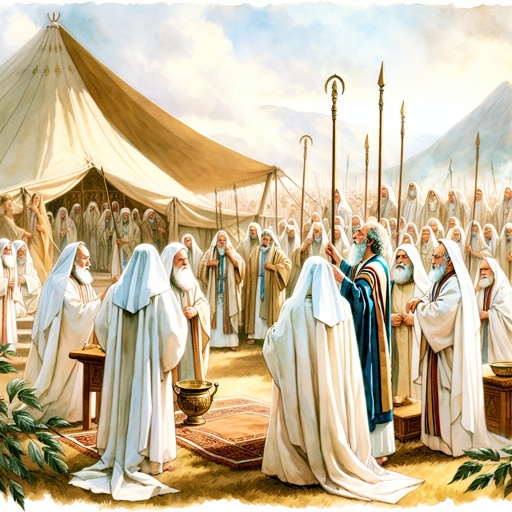
Leviticus 8:1-12

Leviticus 8:1 - "And the LORD spake unto Moses, saying,"
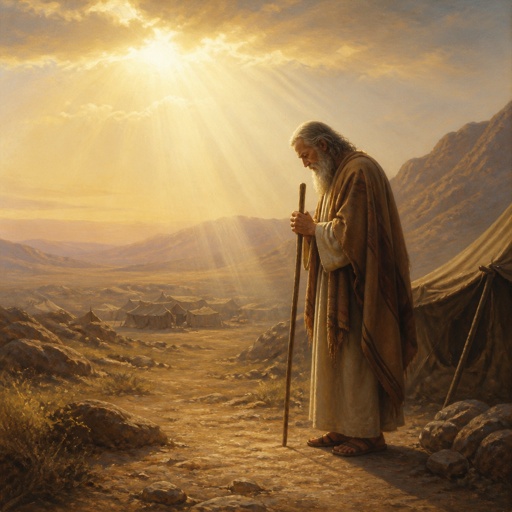
"And the LORD spake unto Moses, saying," - Leviticus 8:1

Leviticus 16:8

Leviticus 8:30

Leviticus 8:8 - "And he put the breastplate upon him: also he put in the breastplate the Urim and the Thummim."

Leviticus 6:8 - "¶ And the LORD spake unto Moses, saying,"
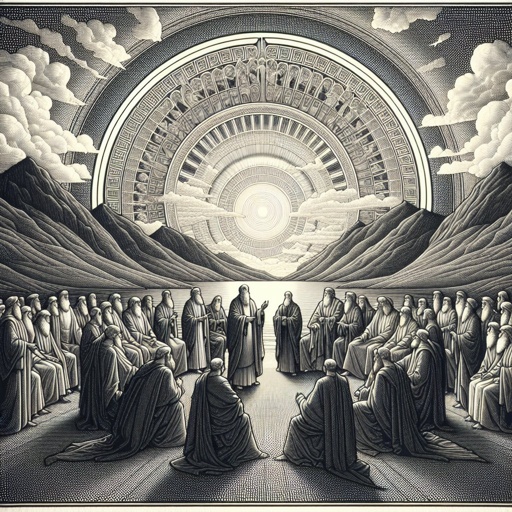
Leviticus 10:8 - "¶ And the LORD spake unto Aaron, saying,"

Leviticus 8:32 - "And that which remaineth of the flesh and of the bread shall ye burn with fire."

Leviticus 8:6 - "And Moses brought Aaron and his sons, and washed them with water."

Leviticus 8:19 - "And he killed it; and Moses sprinkled the blood upon the altar round about."

Leviticus 8:3 - "And gather thou all the congregation together unto the door of the tabernacle of the congregation."

Leviticus 8:5 - "And Moses said unto the congregation, This is the thing which the LORD commanded to be done."

Leviticus 8:20 - "And he cut the ram into pieces; and Moses burnt the head, and the pieces, and the fat."

Leviticus 18:8 - "The nakedness of thy father's wife shalt thou not uncover: it is thy father's nakedness."

Leviticus 8:10 - "And Moses took the anointing oil, and anointed the tabernacle and all that was therein, and sanctified them."

Leviticus 11:8 - "Of their flesh shall ye not eat, and their carcase shall ye not touch; they are unclean to you."
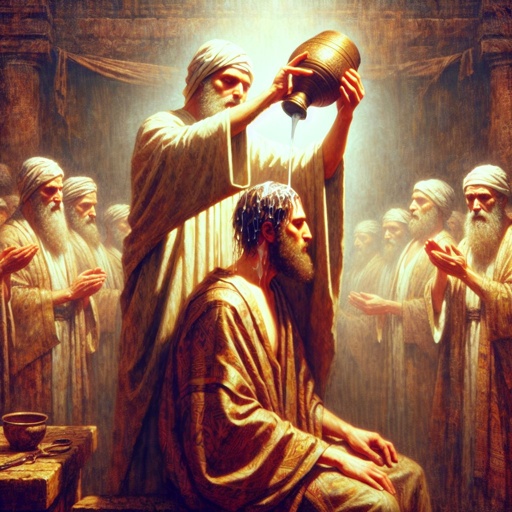
Leviticus 8:12 - "And he poured of the anointing oil upon Aaron's head, and anointed him, to sanctify him."

Leviticus 9:8 - "¶ Aaron therefore went unto the altar, and slew the calf of the sin offering, which was for himself."

Leviticus 8:36 - "So Aaron and his sons did all things which the LORD commanded by the hand of Moses."
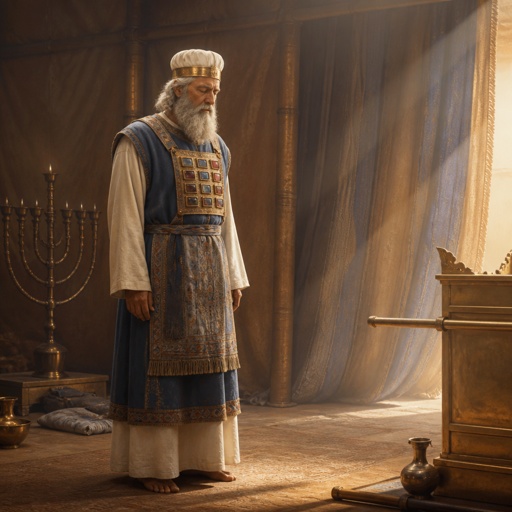
"¶ And the LORD spake unto Aaron, saying," - Leviticus 10:8
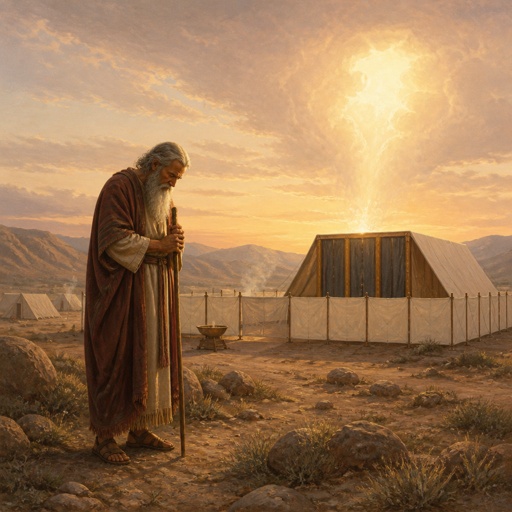
"¶ And the LORD spake unto Moses, saying," - Leviticus 6:8

Leviticus 20:8 - "And ye shall keep my statutes, and do them: I am the LORD which sanctify you."

Leviticus 8:18 - "¶ And he brought the ram for the burnt offering: and Aaron and his sons laid their hands upon the head of the ram."

Leviticus 8:34 - "As he hath done this day, so the LORD hath commanded to do, to make an atonement for you."

Leviticus 8:4 - "And Moses did as the LORD commanded him; and the assembly was gathered together unto the door of the tabernacle of the congregation."

Leviticus 13:8 - "And if the priest see that, behold, the scab spreadeth in the skin, then the priest shall pronounce him unclean: it is a leprosy."

Leviticus 8:22 - "¶ And he brought the other ram, the ram of consecration: and Aaron and his sons laid their hands upon the head of the ram."