The Sacred Distinction: Embracing Holiness in Our Lives
“And that ye may put difference between holy and unholy, and between unclean and clean;” — Leviticus 10:10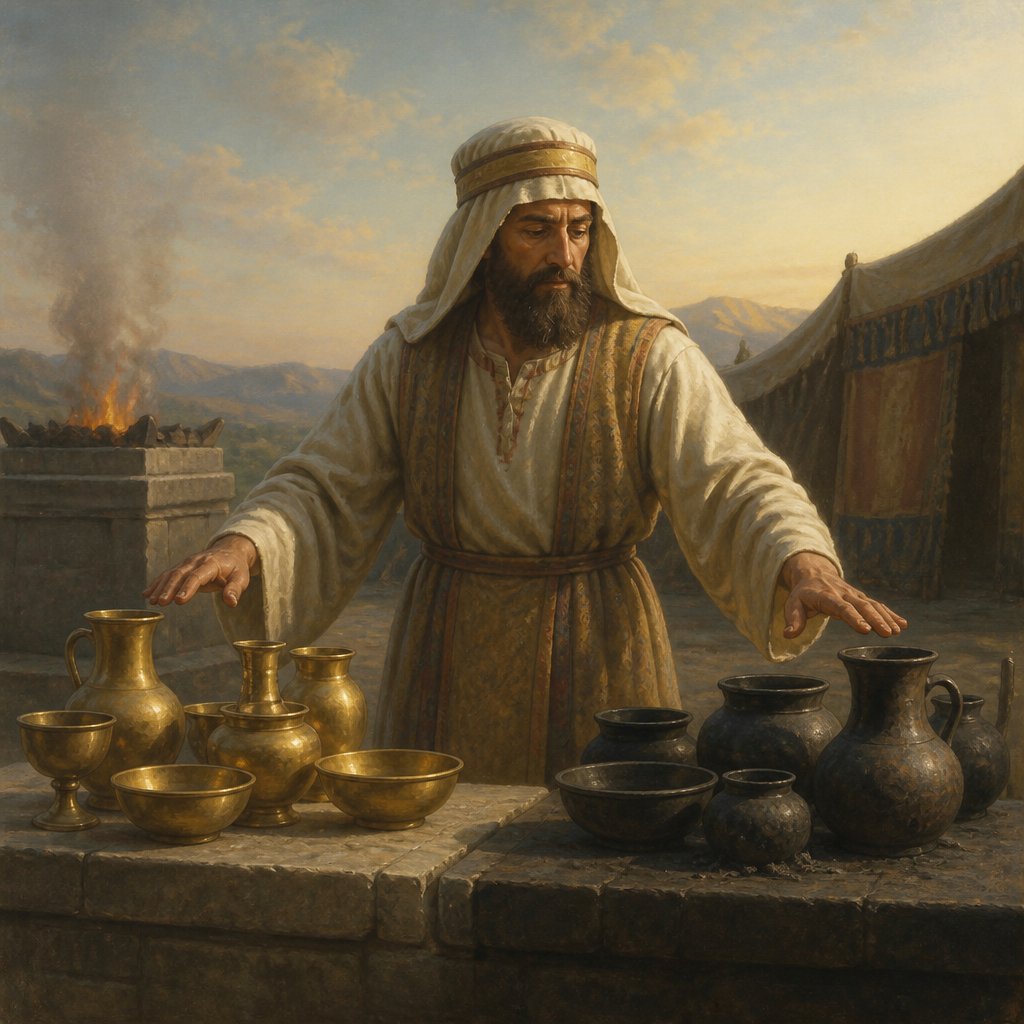
In Leviticus 10:10, we find a profound directive from the Lord: "And that ye may put difference between holy and unholy, and between unclean and clean." This verse encapsulates the essence of what it means to live a life set apart for God, a call to discernment that resonates through the ages and into our contemporary walk of faith.
As we set the stage for this exploration, it is helpful to understand the context of the passage. The Israelites had just experienced a tragic event with the death of Nadab and Abihu, sons of Aaron, for offering strange fire before the Lord, disregarding the sacred parameters set forth by God. This incident serves as a stark reminder of God's holiness and the serious nature of approaching Him. It established a necessary reverence for the divine practices that were to be carried out in the Tabernacle. The call to discern between what is holy and unholy was an essential principle not just for the priests but for all who sought to dwell in the presence of God.
The term "difference" reflects the need for a clear understanding of what constitutes holiness in our lives. In a world filled with ambiguity, moral relativism, and spiritual compromise, the Church finds itself challenged to maintain a clear definition of what is sacred. To be holy is to be set apart, reserved exclusively for God's purpose and glory. It is a call to embody the very character of God Himself. In 1 Peter 1:15-16, we are reminded of this call: "But as he which hath called you is holy, so be ye holy in all manner of conversation; Because it is written, Be ye holy; for I am holy."
Holiness must manifest not merely in religious observance but in the everyday choices we make. Our decisions, interactions, and thought processes must reflect a willingness to align with God’s standards. This requires diligent discernment; we must cultivate a sensitivity to the Holy Spirit who guides us in differentiating between the clean and the unclean, the pure and the impure. It is about acknowledging that certain influences may detract from our relationship with God and choosing instead to embrace what enriches that relationship.
For instance, consider the media we consume or the conversations we engage in. The societal norms may advocate for tolerating everything under the guise of freedom. However, as believers, we must weigh these actions against the standard of God’s word. Does a movie that glorifies violence or promiscuity reflect the principles of holiness? Do our words uplift, promote truth, and reflect Christ's love? The pursuit of holiness is an intentional act, the result of daily decisions that honor God and reflect our desire to be set apart.
Moreover, every believer is called to minister to others and demonstrate the difference between clean and unclean in a spirit of love and grace. We should not convey a message of condemnation but rather a message of hope rooted in truth. When we represent Christ, we are granted the privilege of showing the transformative power of holiness in action, inviting others to partake in that divine nature.
Holiness can sometimes be perceived as a burden or an unbearable standard; however, it is a grace-filled invitation to experience life in its fullest expression. In Romans 12:1-2, the apostle Paul encourages us to present ourselves as living sacrifices—holy and acceptable to God, urging us not to conform to the patterns of this world but to be transformed by the renewing of our minds. When we live in this renewed state, we not only recognize the difference between holy and unholy but we embody it.
In conclusion, Leviticus 10:10 invites us into a transformative engagement with the concept of holiness. God desires that we understand the significance of living a clean and holy life that reflects His character. Let us commit ourselves to discernment and sanctification as we strive to be vessels of His glory in a world desperately seeking true meaning and purity.
Get our apps


Artwork for Leviticus 10:10

Leviticus 10:10 - "And that ye may put difference between holy and unholy, and between unclean and clean;"
"And that ye may put difference between holy and unholy, and between unclean and clean;" - Leviticus 10:10

leviticus 16:7-10

Leviticus 10:20 - "And when Moses heard that, he was content."
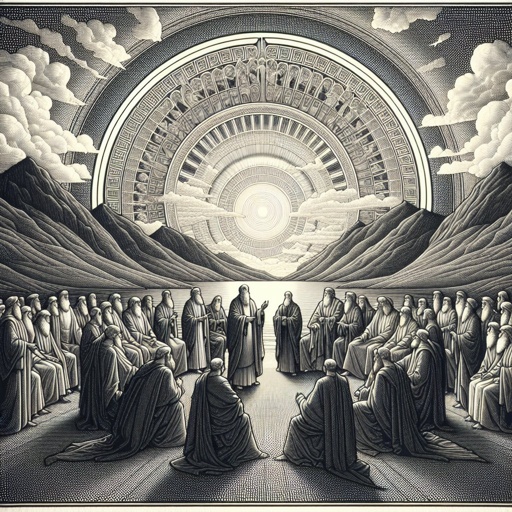
Leviticus 10:8 - "¶ And the LORD spake unto Aaron, saying,"

Leviticus 10:2 - "And there went out fire from the LORD, and devoured them, and they died before the LORD."

Leviticus 26:10 - "And ye shall eat old store, and bring forth the old because of the new."

Leviticus 8:10 - "And Moses took the anointing oil, and anointed the tabernacle and all that was therein, and sanctified them."

Leviticus 10:5 - "So they went near, and carried them in their coats out of the camp; as Moses had said."
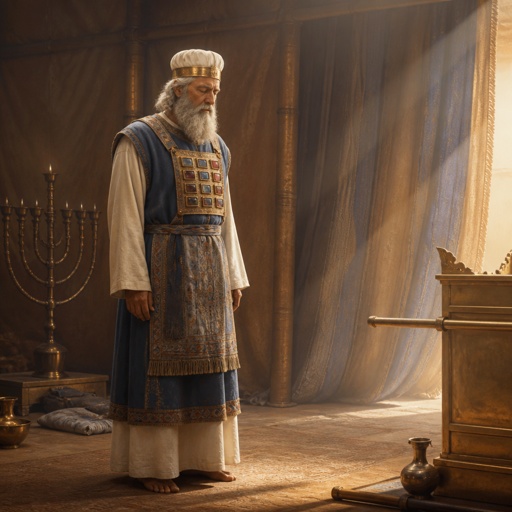
"¶ And the LORD spake unto Aaron, saying," - Leviticus 10:8
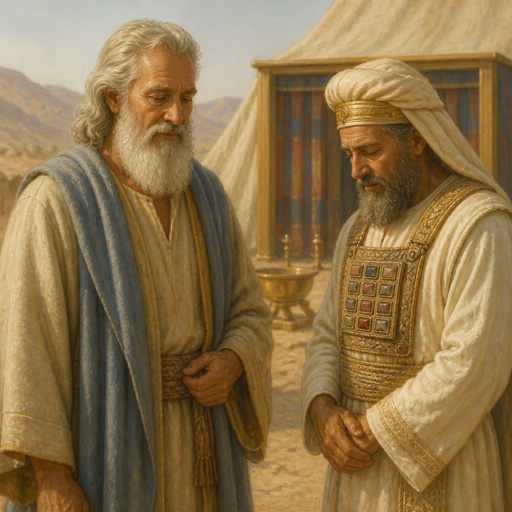
"And when Moses heard that, he was content." - Leviticus 10:20

Leviticus 22:10 - "There shall no stranger eat of the holy thing: a sojourner of the priest, or an hired servant, shall not eat of the holy thing."

Leviticus 7:10 - "And every meat offering, mingled with oil, and dry, shall all the sons of Aaron have, one as much as another."

Leviticus 1:10 - "¶ And if his offering be of the flocks, namely, of the sheep, or of the goats, for a burnt sacrifice; he shall bring it a male without blemish."

Leviticus 9:10 - "But the fat, and the kidneys, and the caul above the liver of the sin offering, he burnt upon the altar; as the LORD commanded Moses."

Leviticus 10:11 - "And that ye may teach the children of Israel all the statutes which the LORD hath spoken unto them by the hand of Moses."
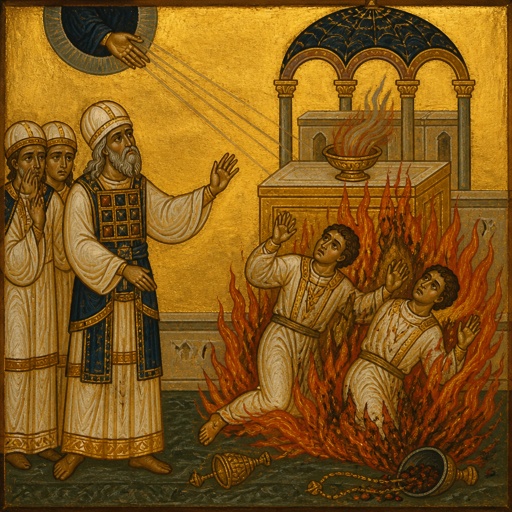
Leviticus 10 Aaron’s son burned alive for offering strange fire and incense.

Leviticus 3:10 - "And the two kidneys, and the fat that is upon them, which is by the flanks, and the caul above the liver, with the kidneys, it shall he take away."

Leviticus 10:18 - "Behold, the blood of it was not brought in within the holy place: ye should indeed have eaten it in the holy place, as I commanded."

Leviticus 4:10 - "As it was taken off from the bullock of the sacrifice of peace offerings: and the priest shall burn them upon the altar of the burnt offering."

Leviticus 2:10 - "And that which is left of the meat offering shall be Aaron's and his sons': it is a thing most holy of the offerings of the LORD made by fire."

Leviticus 13:10 - "And the priest shall see him: and, behold, if the rising be white in the skin, and it have turned the hair white, and there be quick raw flesh in the rising;"

Leviticus 18:10 - "The nakedness of thy son's daughter, or of thy daughter's daughter, even their nakedness thou shalt not uncover: for their's is thine own nakedness."

Leviticus 20:10-12 - "Leviticus 20:10-12 If a man commits adultery with another man's wife—with the wife of his neighbor—both the adulterer and the adulteress are to be put to death. If a man has sexual relations with his father’s wife, he has dishonored his father. Both the man and the woman are to be put to death; their blood will be on their own heads. If a man has sexual relations with his daughter-in-law, both of them are to be put to death. What they have done is a perversion; their blood will be on their own heads."

Leviticus 16:10 - "But the goat, on which the lot fell to be the scapegoat, shall be presented alive before the LORD, to make an atonement with him, and to let him go for a scapegoat into the wilderness."

Leviticus 11:10 - "And all that have not fins and scales in the seas, and in the rivers, of all that move in the waters, and of any living thing which is in the waters, they shall be an abomination unto you:"

Leviticus 24:10 - "¶ And the son of an Israelitish woman, whose father was an Egyptian, went out among the children of Israel: and this son of the Israelitish woman and a man of Israel strove together in the camp;"
Leviticus 10:13 - "And ye shall eat it in the holy place, because it is thy due, and thy sons' due, of the sacrifices of the LORD made by fire: for so I am commanded."

Leviticus 10:16 - "¶ And Moses diligently sought the goat of the sin offering, and, behold, it was burnt: and he was angry with Eleazar and Ithamar, the sons of Aaron which were left alive, saying,"

Leviticus 27:10 - "He shall not alter it, nor change it, a good for a bad, or a bad for a good: and if he shall at all change beast for beast, then it and the exchange thereof shall be holy."