The Divine Call: Embracing God's Guidance in Our Daily Lives
“And the LORD spake unto Moses and to Aaron, saying unto them,” — Leviticus 11:1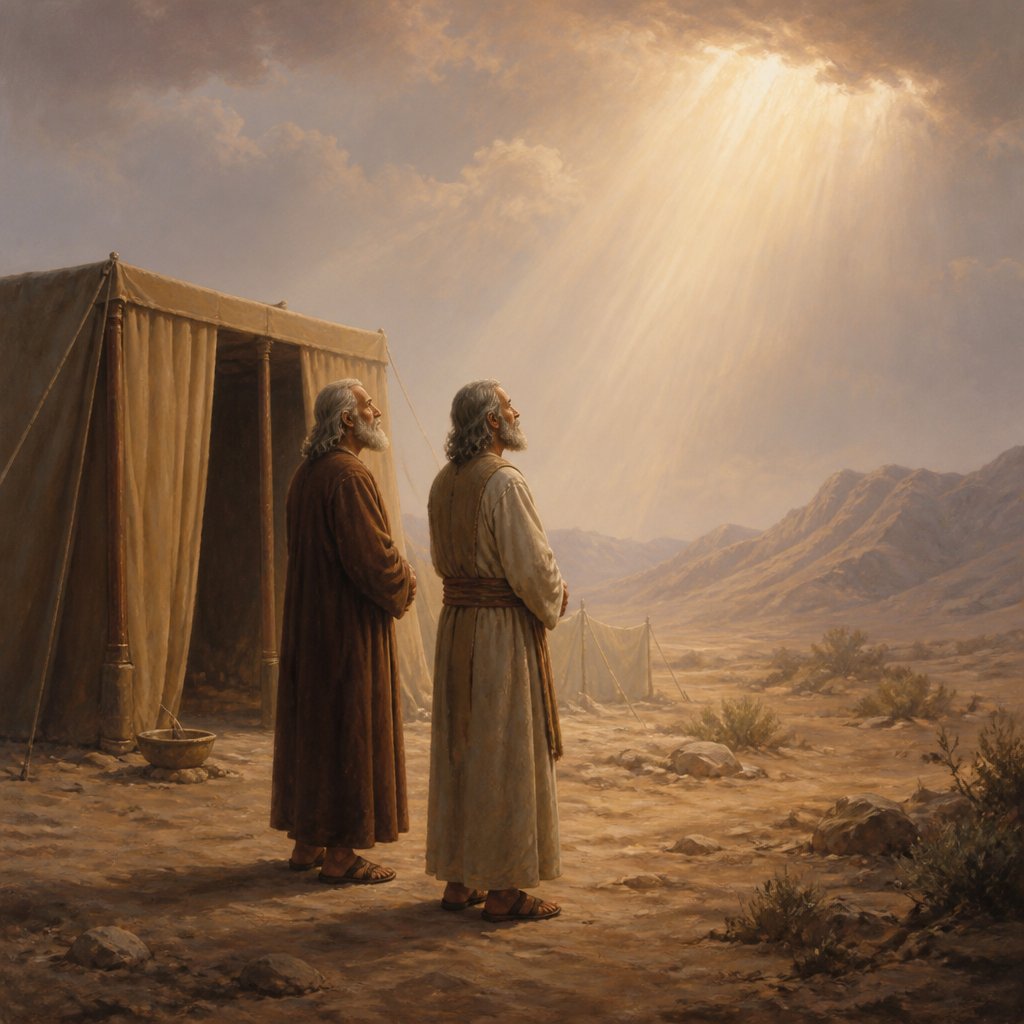
Leviticus 11:1 in the King James Version reads: "And the LORD spake unto Moses and to Aaron, saying unto them,". This introductory declaration from God signifies not just a command but a direct communication between the Almighty and His chosen leaders. It invites us to ponder the profound nature of divine communication and our responses to God's instructions in our lives.
At first glance, this verse may seem simply like an opening to the dietary laws that follow. However, its significance extends much deeper, revealing some vital truths about our relationship with God. In the Old Testament, God often spoke directly to His people, especially to pivotal figures like Moses and Aaron. This direct communication highlights the intimacy that God desires in our relationship with Him. Just as the Lord chose to speak directly to Moses and Aaron, He also wants to convey His heart and will to each of us in our lives today.
Consider the setting of this passage. God had led the Israelites out of bondage in Egypt, providing for them in miraculous ways through their journey in the desert. He was now preparing them to be a holy and distinct people, set apart for His purposes. The dietary laws that follow in Leviticus 11 are not merely guidelines for physical health; they symbolize the spiritual cleanliness and holiness that God desires for His people. In calling forth Moses and Aaron, God is establishing a framework for community life that resonates with His holiness.
In our modern context, what does it mean for God to "speak" to us? The God who once spoke audibly now communicates through various means – His Word (the Scriptures), the Holy Spirit, prayer, and the church community. He still desires to instruct us and set us apart; He longs to impart His wisdom and guidance in our everyday choices. Just as Moses and Aaron were entrusted with leading and teaching the people, we too are called to live out our faith authentically in a world that craves truth and integrity.
This verse serves as a reminder that obedience follows communication. When God speaks, our response should be one of readiness and willingness to obey. Often, we may feel overwhelmed by the commands found in Scripture. However, obedience is not about achieving perfection; it is about a heart posture that is aligned with God's desires. As believers, we are to be receptive to His voice, whether it is in times of worship, study, or silent reflection. God desires to speak into our lives, to guide us in the path of righteousness. Are we listening, or are we too caught up in our distractions?
Considering the implications of these dietary laws can also lead us to reflect on the areas of our lives where we might need to re-evaluate our choices. What are the 'spiritual diets' we consume daily? Are there habits, influences, or relationships that pollute our purity or distance us from God's voice? In the same way that the Israelites were set apart, we, too, are to reflect God’s holiness in our character and actions. By following His leading and aligning ourselves with His Word, we can embody the transformation He desires for us.
Thus, as we digest Leviticus 11:1, let us not merely think of it as an ancient command but rather as an invitation to engage deeply with a God who speaks. Understanding His heart for us will encourage us to pursue holiness actively. Let’s embrace our calling to be a people set apart, willing to listen and respond to His directives with obedience. May we, like Moses and Aaron, take delight in the knowledge that God speaks to us, guiding us through the complexities of our lives with His wisdom and love.
Get our apps


Artwork for Leviticus 11:1

Leviticus 11:1 - "And the LORD spake unto Moses and to Aaron, saying unto them,"
"And the LORD spake unto Moses and to Aaron, saying unto them," - Leviticus 11:1
Leviticus 11:22

Leviticus 1:11 - "And he shall kill it on the side of the altar northward before the LORD: and the priests, Aaron's sons, shall sprinkle his blood round about upon the altar."
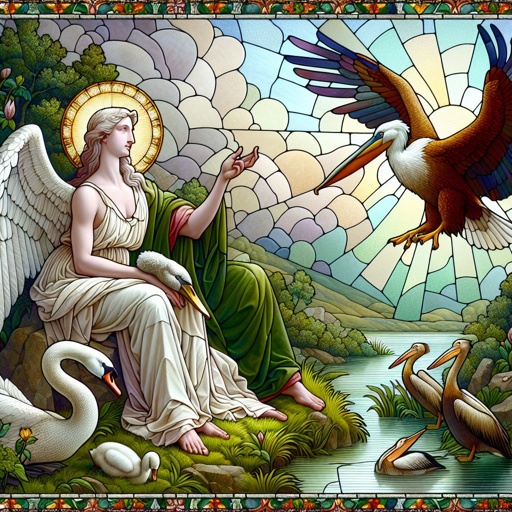
Leviticus 11:18 - "And the swan, and the pelican, and the gier eagle,"

Leviticus 11:17 - "And the little owl, and the cormorant, and the great owl,"

Leviticus 11:14 - "And the vulture, and the kite after his kind;"

Leviticus 11:15 - "Every raven after his kind;"

Leviticus 11:30 - "And the ferret, and the chameleon, and the lizard, and the snail, and the mole."

Leviticus 11:19 - "And the stork, the heron after her kind, and the lapwing, and the bat."

Leviticus 9:11 - "And the flesh and the hide he burnt with fire without the camp."

Leviticus 11:16 - "And the owl, and the night hawk, and the cuckow, and the hawk after his kind,"

Leviticus 11:41 - "And every creeping thing that creepeth upon the earth shall be an abomination; it shall not be eaten."

Leviticus 19:11 - "¶ Ye shall not steal, neither deal falsely, neither lie one to another."

Leviticus 7:11 - "And this is the law of the sacrifice of peace offerings, which he shall offer unto the LORD."

"And the swan, and the pelican, and the gier eagle," - Leviticus 11:18

Leviticus 11:12 - "Whatsoever hath no fins nor scales in the waters, that shall be an abomination unto you."

Leviticus 11:8 - "Of their flesh shall ye not eat, and their carcase shall ye not touch; they are unclean to you."

Leviticus 26:11 - "And I will set my tabernacle among you: and my soul shall not abhor you."

Leviticus 3:11 - "And the priest shall burn it upon the altar: it is the food of the offering made by fire unto the LORD."

Leviticus 11:24 - "And for these ye shall be unclean: whosoever toucheth the carcase of them shall be unclean until the even."

Leviticus 11:5 - "And the coney, because he cheweth the cud, but divideth not the hoof; he is unclean unto you."

Leviticus 11:20 - "All fowls that creep, going upon all four, shall be an abomination unto you."

Leviticus 11:3 - "Whatsoever parteth the hoof, and is clovenfooted, and cheweth the cud, among the beasts, that shall ye eat."

Leviticus 11:6 - "And the hare, because he cheweth the cud, but divideth not the hoof; he is unclean unto you."

Leviticus 11:37 - "And if any part of their carcase fall upon any sowing seed which is to be sown, it shall be clean."

"And the ferret, and the chameleon, and the lizard, and the snail, and the mole." - Leviticus 11:30

Leviticus 11:47 - "To make a difference between the unclean and the clean, and between the beast that may be eaten and the beast that may not be eaten."
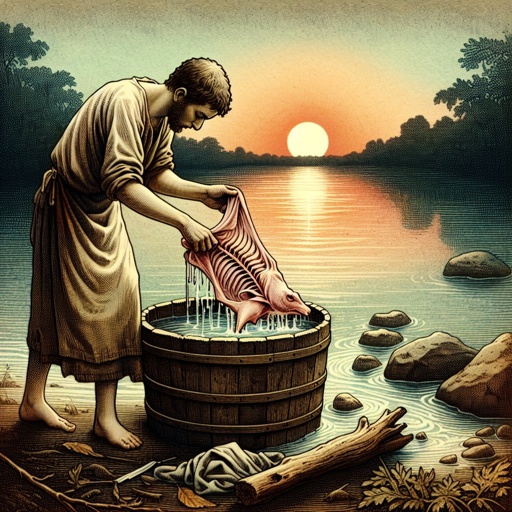
Leviticus 11:25 - "And whosoever beareth ought of the carcase of them shall wash his clothes, and be unclean until the even."

Leviticus 11:23 - "But all other flying creeping things, which have four feet, shall be an abomination unto you."