Clean and Unclean: A Deeper Look at Spiritual Purity
“And these are they which ye shall have in abomination among the fowls; they shall not be eaten, they are an abomination: the eagle, and the ossifrage, and the ospray,” — Leviticus 11:13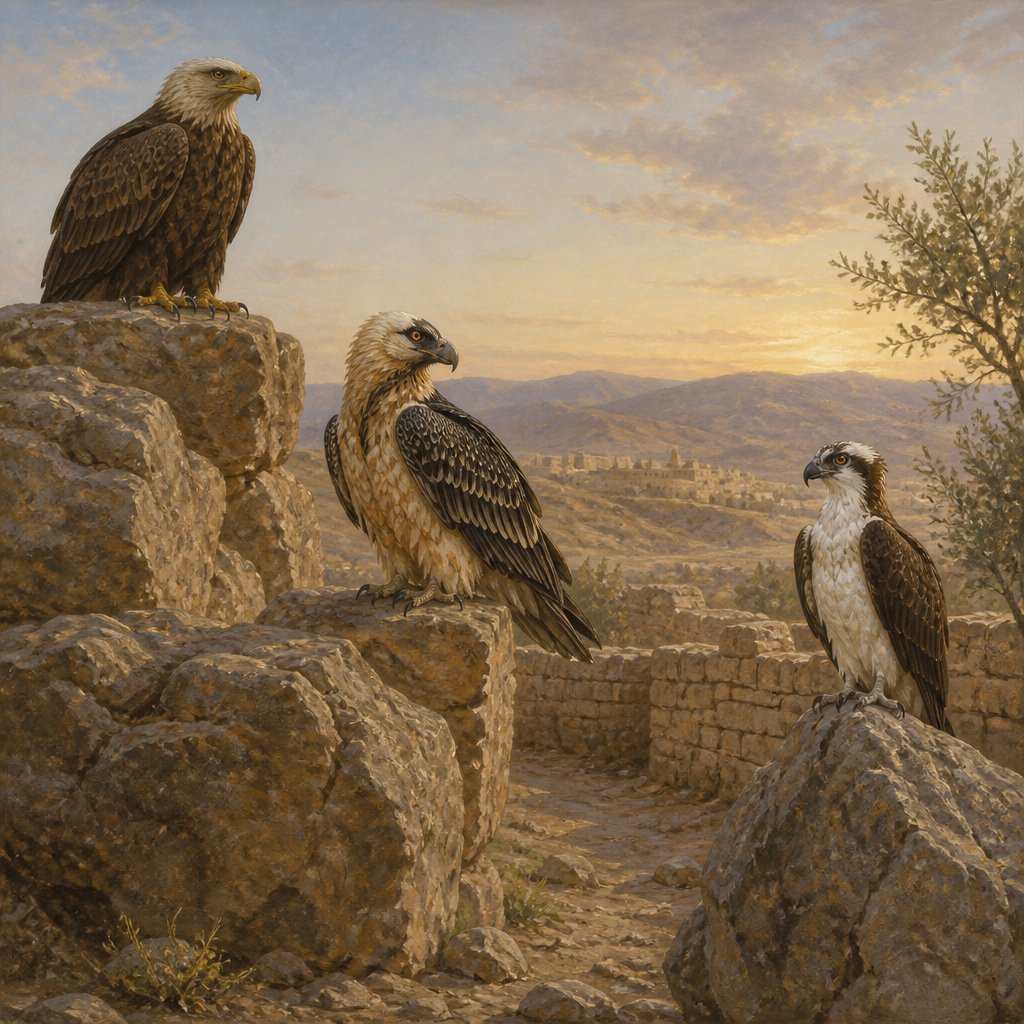
As we delve into Leviticus 11:13, which states, "And these are they which ye shall have in abomination among the fowls; they shall not be eaten, they are an abomination: the eagle, and the ossifrage, and the ospray," we find ourselves confronting the profound implications of the dietary laws given to the Israelites. While this law may appear outdated or irrelevant to modern readers, it serves as a valuable lens through which we can examine our lives today, particularly in regard to spiritual purity and obedience.
The sacrificial system and dietary laws established in the Book of Leviticus reflect God's holiness and the call for His people to be set apart from the surrounding nations. The verse specifically lists certain birds that are considered unclean. Eagles, ossifrages, and osprays are scavengers and predatory birds. They feasted on carrion, symbolizing death and decay, and thus were deemed unfit for consumption. In the context of holiness, these birds represent spiritual corruption and a life not aligned with God's standards.
In our contemporary walk, we must consider what principles these Old Testament laws might impart. It is not merely about what we eat; it is about what we allow into our lives and what we consume spiritually. Just as the Israelites were commanded to avoid certain physical foods, we too are called to discern what we allow to influence our spirits and minds. The eagle, ossifrage, and ospray can serve as metaphors for the ideologies, habits, and influences that prey upon our spiritual lives.
Are there things in your world, perhaps media or relationships, that resemble these birds of prey? They may look appealing or spectacular from a distance, but they can lead to destruction, negatively impacting one's heart and soul. Similarly, in the New Testament, Paul admonished the believers to think on things that are pure, lovely, and of good report (Philippians 4:8). The intentional act of scrutinizing our influences helps us identify and reject what is spiritually harmful.
When we accept the Lord's call for purity, we gain clarity on our purpose and higher calling. Spirituality requires an active engagement with God’s word and a conscious choice to remain within His protective laws, which are aimed at our benefit. The dietary restrictions, though seemingly constrained, fostered a community that understood the importance of obedience and the blessings that accompany a life that seeks after God’s heart. In the same vein, there is a freedom and joy that comes from living a life aligned with God’s expectations.
Furthermore, the choice to reject what is portrayed as an abomination serves as a call to maturity. It prompts us to cast off the old and to embrace the new. In Ephesians 4:22-24, we are instructed to put off the old self, which belongs to our former manner of life, and to put on the new self, created after the likeness of God in true righteousness and holiness. This transformation cannot occur unless we actively choose to distance ourselves from what is deemed impure or harmful.
In conclusion, as we consider Leviticus 11:13, let us remember that God cares profoundly about our spiritual state. Just as He set forth guidelines for the physical health of the Israelites, He invites us into a deeper relationship wherein we seek purity in every area of our daily lives. Let us strive to rise above worldly influences, nurtured by God's truth, finding our nourishment in His Word, and living out His commandments with joy, knowing that are called to be a reflection of His holiness to the world.
Get our apps


Artwork for Leviticus 11:13

Leviticus 11:13 - "¶ And these are they which ye shall have in abomination among the fowls; they shall not be eaten, they are an abomination: the eagle, and the ossifrage, and the ospray,"
"¶ And these are they which ye shall have in abomination among the fowls; they shall not be eaten, they are an abomination: the eagle, and the ossifrage, and the ospray," - Leviticus 11:13

Leviticus 13:11 - "It is an old leprosy in the skin of his flesh, and the priest shall pronounce him unclean, and shall not shut him up: for he is unclean."
Leviticus 11:22
Psalm 1:1-3
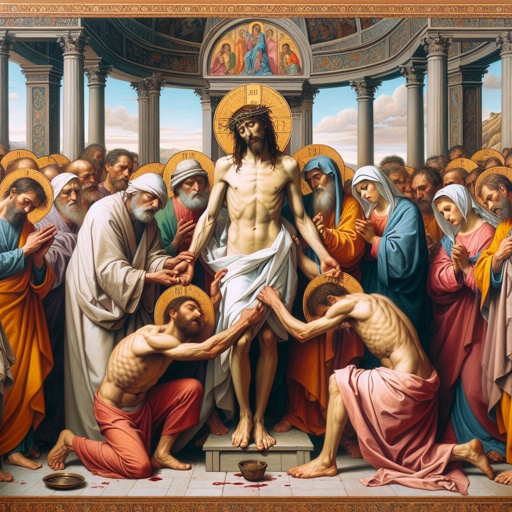
Pain 1:1-3
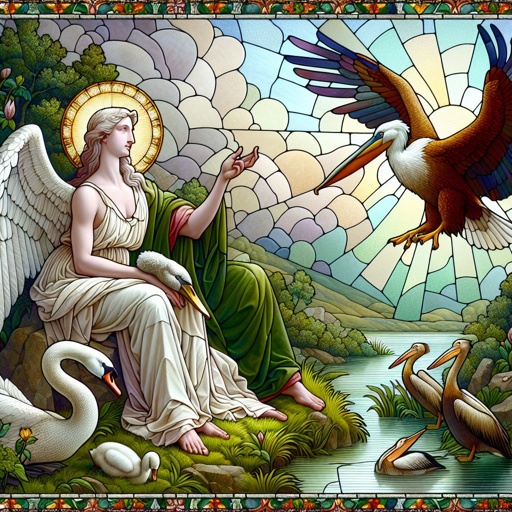
Leviticus 11:18 - "And the swan, and the pelican, and the gier eagle,"

Leviticus 24:13 - "And the LORD spake unto Moses, saying,"

Leviticus 11:17 - "And the little owl, and the cormorant, and the great owl,"

Leviticus 11:14 - "And the vulture, and the kite after his kind;"

Leviticus 11:15 - "Every raven after his kind;"
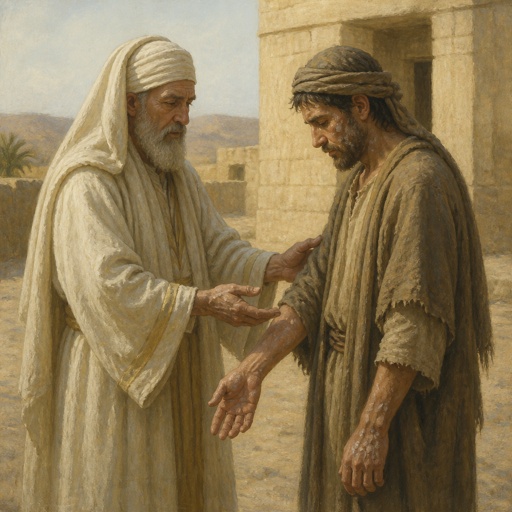
"It is an old leprosy in the skin of his flesh, and the priest shall pronounce him unclean, and shall not shut him up: for he is unclean." - Leviticus 13:11

Leviticus 21:13 - "And he shall take a wife in her virginity."

Leviticus 13:1 - "And the LORD spake unto Moses and Aaron, saying,"

Leviticus 11:30 - "And the ferret, and the chameleon, and the lizard, and the snail, and the mole."

Leviticus 13:35 - "But if the scall spread much in the skin after his cleansing;"

Leviticus 11:19 - "And the stork, the heron after her kind, and the lapwing, and the bat."

Leviticus 13:29 - "¶ If a man or woman have a plague upon the head or the beard;"

Leviticus 13:18 - "¶ The flesh also, in which, even in the skin thereof, was a boil, and is healed,"

Leviticus 9:11 - "And the flesh and the hide he burnt with fire without the camp."

Leviticus 13:14 - "But when raw flesh appeareth in him, he shall be unclean."

Leviticus 13:47 - "¶ The garment also that the plague of leprosy is in, whether it be a woollen garment, or a linen garment;"

Leviticus 11:1 - "And the LORD spake unto Moses and to Aaron, saying unto them,"

Leviticus 11:16 - "And the owl, and the night hawk, and the cuckow, and the hawk after his kind,"

Leviticus 13:9 - "¶ When the plague of leprosy is in a man, then he shall be brought unto the priest;"

Leviticus 13:22 - "And if it spread much abroad in the skin, then the priest shall pronounce him unclean: it is a plague."

Leviticus 25:13 - "In the year of this jubile ye shall return every man unto his possession."

Leviticus 6:13 - "The fire shall ever be burning upon the altar; it shall never go out."

Leviticus 11:41 - "And every creeping thing that creepeth upon the earth shall be an abomination; it shall not be eaten."

Leviticus 19:11 - "¶ Ye shall not steal, neither deal falsely, neither lie one to another."