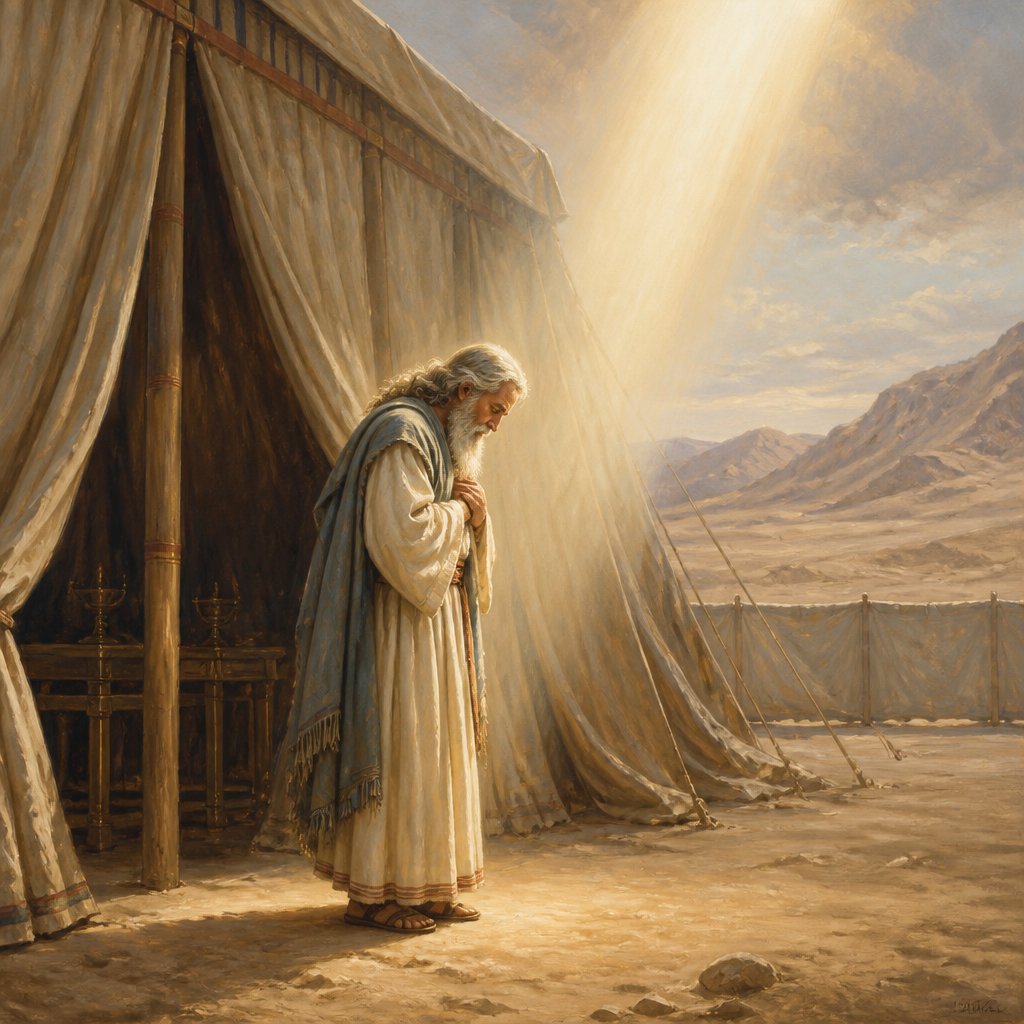
As we delve into Leviticus 12:1, where it says, "And the LORD spake unto Moses, saying," we find ourselves entering a sacred conversation that transcends time and cultural boundaries. This moment encapsulates the foundational structure of God’s communication with humanity—an intimate dialogue between the Creator and His chosen leaders. It serves as a reminder that God is not silent; He actively engages with us in our circumstances, guiding us through His Word.
In the context of Leviticus, the verses that follow delve into the laws relating to childbirth and purification. At first glance, one might view these regulations as distant and archaic, devoid of direct relevance to our lives today. However, the essence of this passage unveils profound truths about God’s character, our human experiences, and His continual guidance amid life's transitions.
When God speaks to Moses, it signifies His intimate involvement in the daily lives of His people. The very act of speaking implies a deep desire for relationship; God wishes to convey His wisdom, His laws, and His heart to His people. Each instruction, even those regarding childbirth—a profoundly personal time in human life—highlights God's attention to every detail of our existence. He cares about our physical and spiritual states, the implications of birth, the woman’s recovery, and her restoration into the community. God is deeply concerned with our well-being, emphasizing that no aspect of life is too mundane for divine attention.
Examining the specific context of childbearing reveals layers of significance. In ancient Israel, childbirth was a monumental event, often steeped in both joy and complication. The regulations provided by God address not merely the physical implications of childbirth but also the spiritual ramifications. The period of purification reflects themes of holiness, restoration, and community belonging. Women who gave birth were not simply returning to the family unit; they were also being restored to a community from which they had temporarily withdrawn.
For women today, this speaks volumes about God’s understanding of our physical and emotional journeys. The complexities of motherhood, including the joy, fear, and after-effects of childbirth, are known to Him. He recognizes the vulnerability of new mothers and extends grace through the process of purification and integration back into society. Just as God established laws for the Israelites, He meets us in our modern complexities—offering assurance that He is present in our struggles and joys.
Furthermore, this passage opens our eyes to God's desire for holiness within us. The laws for purification after childbirth indicate that while God values joy and new beginnings, He also desires that we know the importance of spiritual cleanliness and community acceptance. Indeed, every child born is a gift and a reminder of God's purpose, and with every new life comes a calling to walk closely in righteousness. Our responses—offering praise and engaging in a life that reflects God's glory—become part of our congregational witness.
The act of God speaking serves as an invitation for us to listen actively. He desires to communicate with each of us today. Are we making space amidst our busy lives to listen to what He says? When we feel overwhelmed, isolated, or unsure in our seasons of transitions—whether it be a new job, marriage, or parenthood—remember that He still speaks. Are you tuning into His voice through prayer, Scripture, and community?
As we meditate on Leviticus 12:1, let us be reminded that God speaks into our lives with purpose and love. Let each word He utters resonate in our hearts, guiding us through every moment of joy and challenge. May we, like Moses, respond in faith, accepting the call to live out His instructions and embrace the transformations in our lives that He desires.
Get our apps


Artwork for Leviticus 12:1

Leviticus 12:1 - "And the LORD spake unto Moses, saying,"

"And the LORD spake unto Moses, saying," - Leviticus 12:1
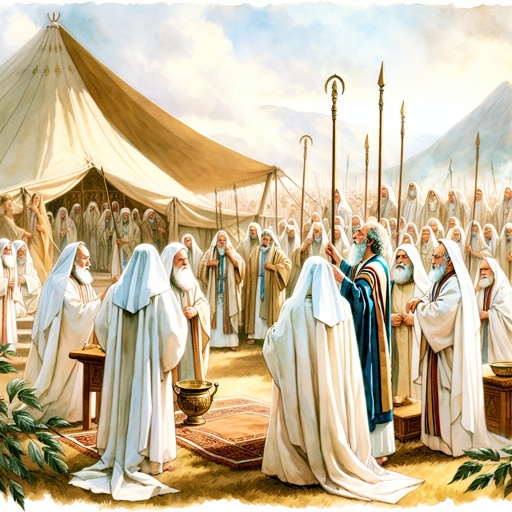
Leviticus 8:1-12

Leviticus 1:12 - "And he shall cut it into his pieces, with his head and his fat: and the priest shall lay them in order on the wood that is on the fire which is upon the altar:" respectful, symbolic bible verse art

Leviticus 12:3 - "And in the eighth day the flesh of his foreskin shall be circumcised."

Leviticus 24:12 - "And they put him in ward, that the mind of the LORD might be shewed them."

Leviticus 3:12 - "¶ And if his offering be a goat, then he shall offer it before the LORD."

Leviticus 26:12 - "And I will walk among you, and will be your God, and ye shall be my people."

Leviticus 11:12 - "Whatsoever hath no fins nor scales in the waters, that shall be an abomination unto you."
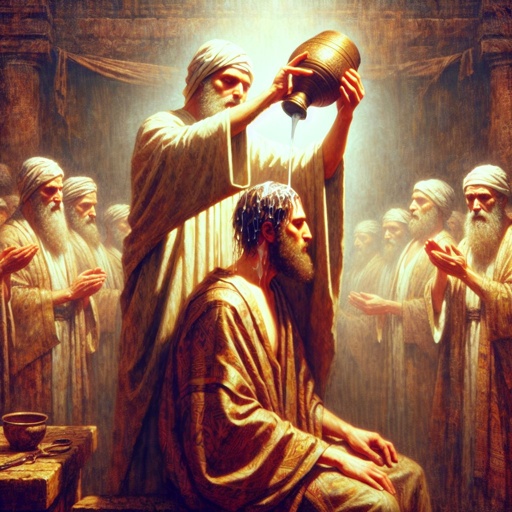
Leviticus 8:12 - "And he poured of the anointing oil upon Aaron's head, and anointed him, to sanctify him."

Leviticus 25:12 - "For it is the jubile; it shall be holy unto you: ye shall eat the increase thereof out of the field."

Leviticus 18:12 - "Thou shalt not uncover the nakedness of thy father's sister: she is thy father's near kinswoman."

Leviticus 22:12 - "If the priest's daughter also be married unto a stranger, she may not eat of an offering of the holy things."

Leviticus 27:12 - "And the priest shall value it, whether it be good or bad: as thou valuest it, who art the priest, so shall it be."

Leviticus 2:12 - "¶ As for the oblation of the firstfruits, ye shall offer them unto the LORD: but they shall not be burnt on the altar for a sweet savour."

Leviticus 23:21

Leviticus 23:21

Leviticus 14:51

Leviticus 23:20

Leviticus 23:21

Leviticus 15:12 - "And the vessel of earth, that he toucheth which hath the issue, shall be broken: and every vessel of wood shall be rinsed in water."

Leviticus 23:21

Leviticus 23:21

Leviticus 23:21

Leviticus 19:12 - "¶ And ye shall not swear by my name falsely, neither shalt thou profane the name of thy God: I am the LORD."

Leviticus 9:12 - "And he slew the burnt offering; and Aaron's sons presented unto him the blood, which he sprinkled round about upon the altar."

"And in the eighth day the flesh of his foreskin shall be circumcised." - Leviticus 12:3

Leviticus 23:15-22

Leviticus 23:17-22

Leviticus 20:10-12 - "Leviticus 20:10-12 If a man commits adultery with another man's wife—with the wife of his neighbor—both the adulterer and the adulteress are to be put to death. If a man has sexual relations with his father’s wife, he has dishonored his father. Both the man and the woman are to be put to death; their blood will be on their own heads. If a man has sexual relations with his daughter-in-law, both of them are to be put to death. What they have done is a perversion; their blood will be on their own heads."