Reflections on the Silence of Suffering: Leviticus 13:50
“And the priest shall look upon the plague, and shut up it that hath the plague seven days:” — Leviticus 13:50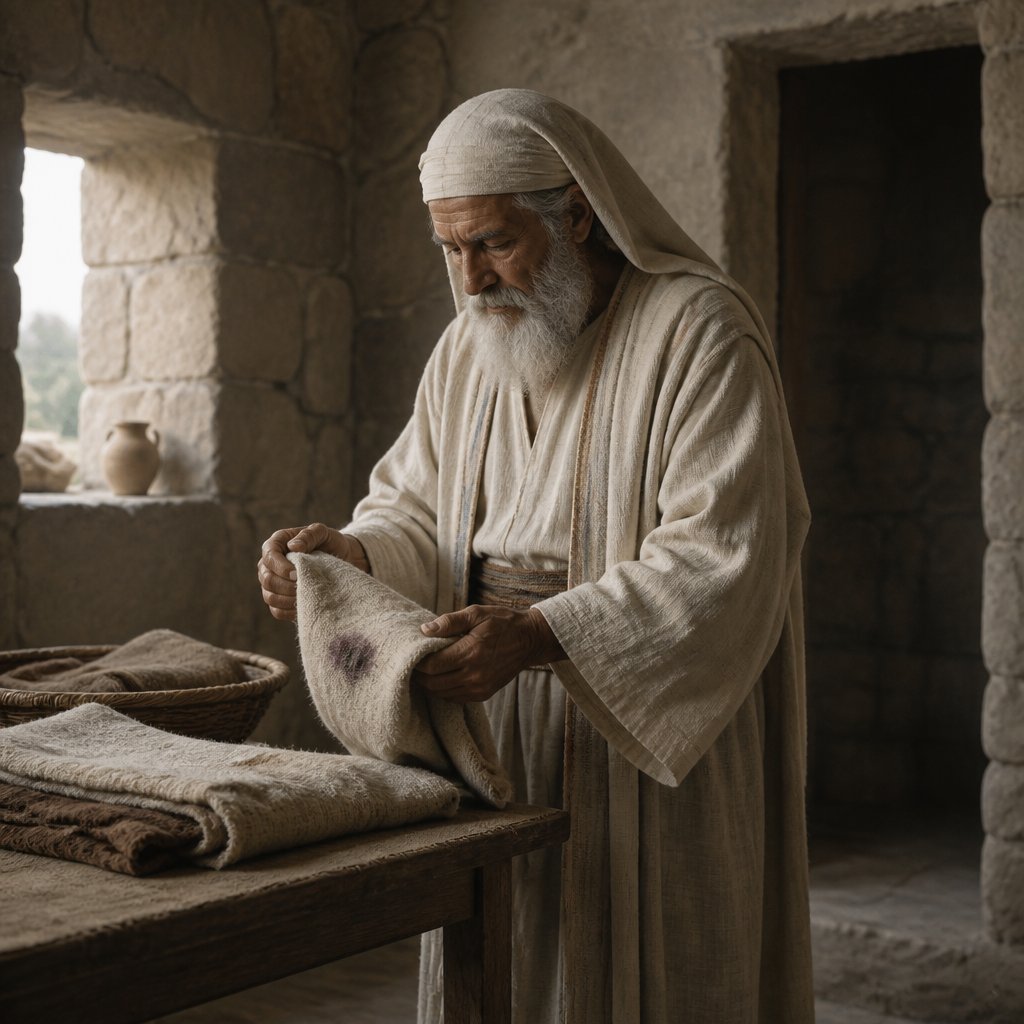
Leviticus 13:50 states, "And the priest shall look upon the plague, and shut up it that hath the plague seven days." This instruction is part of the Holiness Code, reflecting God’s desire for cleanliness and separation from impurity among His people. The text encapsulates profound themes of observation, patience, and temporary isolation, providing us a framework for understanding suffering in our lives.
In Leviticus, we see God establishing a system through which His people could maintain spiritual and physical purity. The context of this verse revolves around the diagnosis and management of leprous diseases, which were not just physical afflictions but also social stigmas. When someone exhibited symptoms of leprosy, it was not merely a personal crisis; it involved the community’s health and purity. The involvement of a priest was critical, as their role was to assess and ensure that a person was not only physically healed but also spiritually right with God. In this process, we observe several critical elements worth reflecting on.
First, the act of looking upon the plague signifies an important concept: observation. The priest was tasked with carefully examining the person’s condition, requiring discernment and empathy. It symbolizes God’s attentive gaze toward our afflictions. Just as the priest investigated the lesion, so God scrutinizes our hearts in times of suffering, ensuring that our trials are not in vain but are leading us toward greater understanding and growth. In our lives today, God invites us to approach Him with honesty about our struggles. He desires to look upon our pain and entangle Himself in our journeys as we navigate through difficulties.
Second, after the examination, it states, "shut up it that hath the plague seven days." This directive may seem harsh at face value, but it serves several purposes. The period of seven days represents a time of waiting and reflection. In an age of instant gratification and quick fixes, the concept of waiting can be challenging. Seven days symbolizes completion—a period allowing enough time for thorough observation and personal introspection. In our suffering, waiting often becomes a necessity. It is in these moments of waiting that we learn to trust God’s timing and purpose.
We may feel isolated during our own tough times, much like those quarantined, but we can look at this isolation as a sacred space where God calls us deeper. Just as the afflicted were set apart, we too may feel alienated, yet it is often in those moments that we hear God’s voice most clearly. In solitude, we can reflect upon our lives, confront our inner struggles, and discover more profound depths of faith. There lies beauty in waiting: the promise that God is at work in us, even when we do not see immediate results.
Finally, consider the impact of this process on the community. The community’s health depended on the cleanliness of its members. Thus, the action taken by the priest served the greater good. Today, as we navigate our challenges, our personal stories and healing journeys never exist in isolation; they influence those around us. Our struggles can pave the way for empathy, shared experiences, and deeper bonds. Just as the priest was an intermediary, you may find yourself called to guide those around you through their afflictions, having learned patience and compassion in your own.
As we meditate on Leviticus 13:50, may we remember that suffering can lead to a deeper relationship with God. The call to observe, to wait, and to engage is an invitation to grow in faith through trials. God, like the priest, looks upon us with love—full of grace and understanding as He invites us to share our burdens with Him and with the community that surrounds us. So, let us embrace our journeys, trusting in the process God has ordained.
Get our apps


Artwork for Leviticus 13:50

Leviticus 13:50 - "And the priest shall look upon the plague, and shut up it that hath the plague seven days:"

"And the priest shall look upon the plague, and shut up it that hath the plague seven days:" - Leviticus 13:50

Leviticus 14:50 - "And he shall kill the one of the birds in an earthen vessel over running water:"

Psalms 50:13 - "Will I eat the flesh of bulls, or drink the blood of goats?"

Matthew 13:50 - "And shall cast them into the furnace of fire: there shall be wailing and gnashing of teeth."

"And he shall kill the one of the birds in an earthen vessel over running water:" - Leviticus 14:50

"Will I eat the flesh of bulls, or drink the blood of goats?" - Psalms 50:13

Leviticus 25:50 - "And he shall reckon with him that bought him from the year that he was sold to him unto the year of jubile: and the price of his sale shall be according unto the number of years, according to the time of an hired servant shall it be with him."
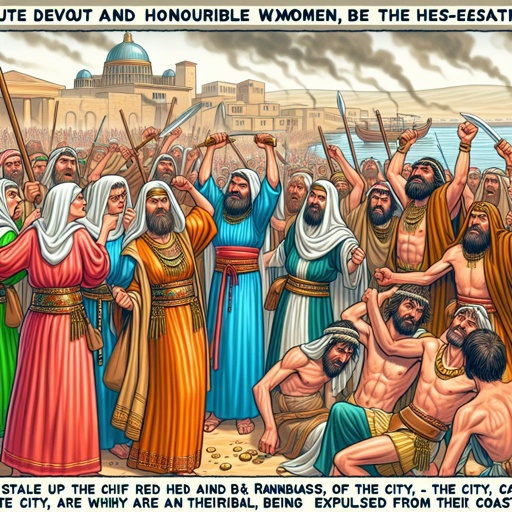
Acts 13:50 - "But the Jews stirred up the devout and honourable women, and the chief men of the city, and raised persecution against Paul and Barnabas, and expelled them out of their coasts."

Jeremiah 50:13 - "Because of the wrath of the LORD it shall not be inhabited, but it shall be wholly desolate: every one that goeth by Babylon shall be astonished, and hiss at all her plagues."
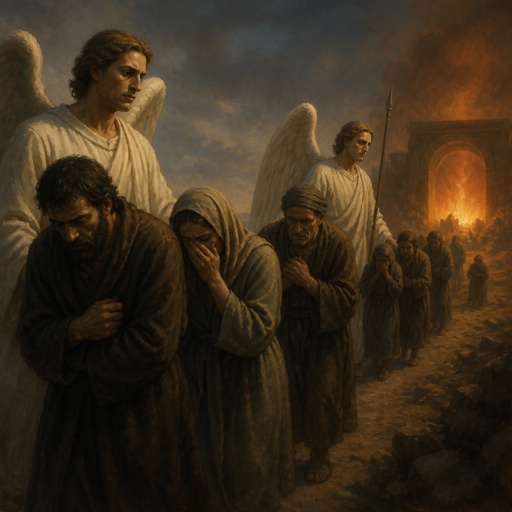
"And shall cast them into the furnace of fire: there shall be wailing and gnashing of teeth." - Matthew 13:50

Genesis 50:13 - "For his sons carried him into the land of Canaan, and buried him in the cave of the field of Machpelah, which Abraham bought with the field for a possession of a buryingplace of Ephron the Hittite, before Mamre."

Leviticus 24:13 - "And the LORD spake unto Moses, saying,"

Leviticus 21:13 - "And he shall take a wife in her virginity."

Leviticus 13:1 - "And the LORD spake unto Moses and Aaron, saying,"

Leviticus 13:35 - "But if the scall spread much in the skin after his cleansing;"

Leviticus 13:29 - "¶ If a man or woman have a plague upon the head or the beard;"

Leviticus 13:18 - "¶ The flesh also, in which, even in the skin thereof, was a boil, and is healed,"

Leviticus 13:14 - "But when raw flesh appeareth in him, he shall be unclean."

Leviticus 13:47 - "¶ The garment also that the plague of leprosy is in, whether it be a woollen garment, or a linen garment;"

Leviticus 13:9 - "¶ When the plague of leprosy is in a man, then he shall be brought unto the priest;"

Leviticus 13:22 - "And if it spread much abroad in the skin, then the priest shall pronounce him unclean: it is a plague."

Leviticus 25:13 - "In the year of this jubile ye shall return every man unto his possession."

Leviticus 6:13 - "The fire shall ever be burning upon the altar; it shall never go out."

Leviticus 13:19 - "And in the place of the boil there be a white rising, or a bright spot, white, and somewhat reddish, and it be shewed to the priest;"

Leviticus 13:48 - "Whether it be in the warp, or woof; of linen, or of woollen; whether in a skin, or in any thing made of skin;"

Leviticus 27:13 - "But if he will at all redeem it, then he shall add a fifth part thereof unto thy estimation."

Leviticus 13:38 - "¶ If a man also or a woman have in the skin of their flesh bright spots, even white bright spots;"

Leviticus 13:16 - "Or if the raw flesh turn again, and be changed unto white, he shall come unto the priest;"

Leviticus 13:13 - "Then the priest shall consider: and, behold, if the leprosy have covered all his flesh, he shall pronounce him clean that hath the plague: it is all turned white: he is clean."