Cleansed Through Sacrifice: Understanding God's Atonement
“And the priest shall offer the burnt offering and the meat offering upon the altar: and the priest shall make an atonement for him, and he shall be clean.” — Leviticus 14:20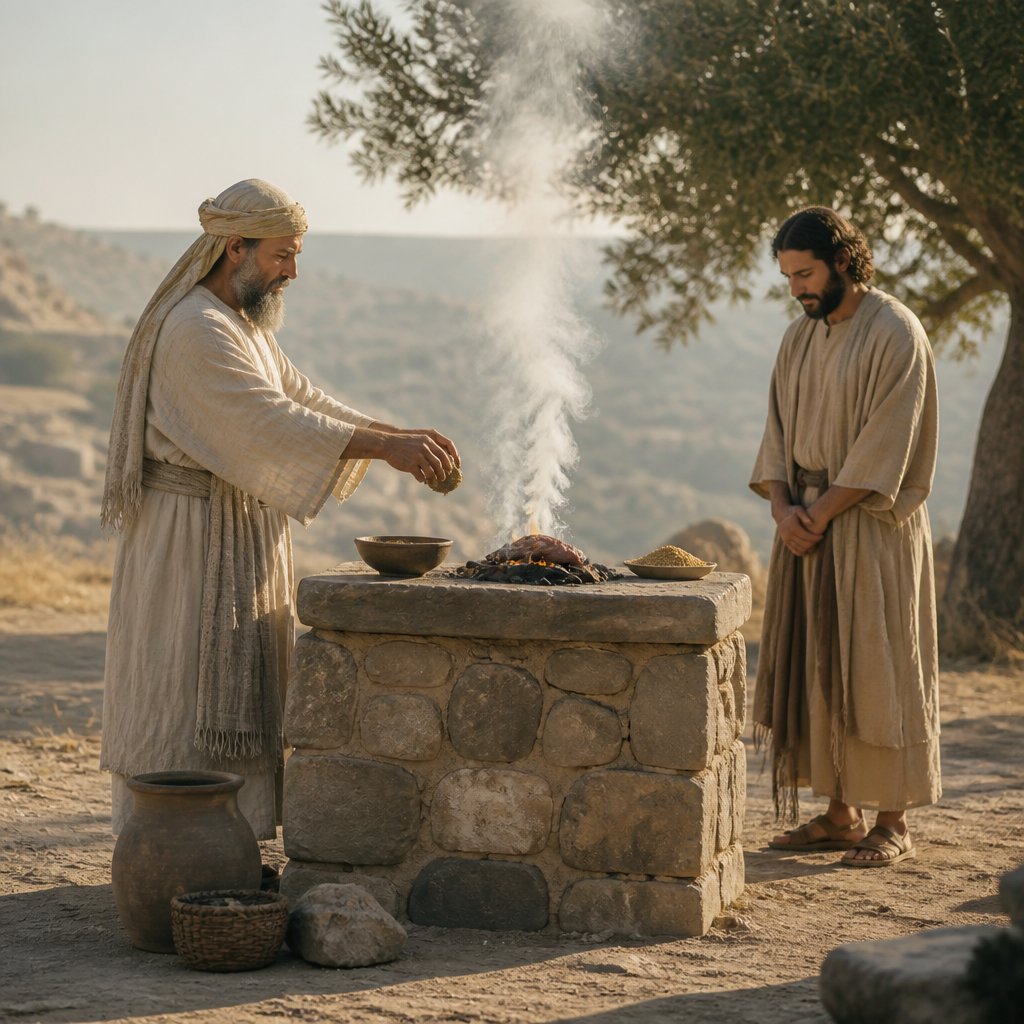
**Introduction**
Leviticus 14:20 states, "And the priest shall offer the burnt offering and the meat offering upon the altar: and the priest shall make an atonement for him, and he shall be clean." This verse captures the essence of atonement and the profound process of ritual purification that God ordained for His people. In the context of ancient Israel, this was not merely a set of rules and procedures but a divine orchestration pointing toward the broader themes of sin, sacrifice, and redemption that resonate throughout Scripture.
**Contextual Background**
In the book of Leviticus, Moses conveys God's laws regarding cleanliness and ceremonial practices. Chapter 14 specifically deals with the purification of those afflicted with leprosy (a skin disease that symbolized sin and separation from God). When an individual was healed, presenting themselves before the priest was the next crucial step. The act of unclean individuals seeking purification illustrates the mercy and grace of God, demonstrating His desire for all to be restored to Him. The priest acts as a mediator, a necessary intermediary who performs the sacrificial acts required to facilitate this restoration.
**The Symbolism of Sacrifice**
The burnt offering and the meat offering are pivotal elements of the atonement process. The burnt offering symbolized total surrender and dedication to God, as the entire offering was consumed by fire, acknowledging that life and all that we have belongs to God. The meat offering (or grain offering), on the other hand, represented gratitude and acknowledgment of God’s provisions, signifying that our sustenance ultimately comes from Him. It is interesting to note that both offerings involve a physical representation of what’s happening internally: a heart that recognizes the need for atonement and the desire to be in communion with God.
When we consider our spiritual lives today, we are reminded of the ultimate sacrifice Jesus made for us, which fulfills and surpasses these ritualistic offerings. His death on the cross embodies the perfect burnt offering, representing absolute obedience and dedication to the Father. Hebrews 10:14 affirms this, stating, "For by one offering He hath perfected forever them that are sanctified." Thus, our processes of seeking cleanliness and atonement today flow from the work that Christ achieved through His sacrifice.
**Atonement and Cleansing**
The closing phrase of the verse, "and he shall be clean,” encapsulates the hope and promise of God’s forgiveness. To be "clean" is not simply to be free from physical ailments but to be restored relationally — reconciling one to God. This idea of spiritual cleanliness is echoed throughout both the Old and New Testaments. In Psalm 51:10, David cries out, "Create in me a clean heart, O God; and renew a right spirit within me." He understood that while the sacrifices performed at the altar were significant, true cleansing came from a heart made right with God.
**Reflection and Application**
As we immerse ourselves in this rich tapestry of sacrifice and atonement, we must ask ourselves: How do we approach God today? Do we recognize our need for His cleansing touch, much like the leper? Are we willing to offer our whole selves as a burnt offering, acknowledging our dependency on His grace?
When we confess our sins, we align ourselves with the age-old practice of repentance and faith. In 1 John 1:9, we are reminded that if we confess our sins, He is faithful and just to forgive us our sins, and to cleanse us from all unrighteousness. The modern-day believer may not present burnt sacrifices, but we can present our lives — our thoughts, actions, and motives — as living sacrifices.
**Conclusion**
Leviticus 14:20 holds a timeless message for us: that through the appointed means of sacrifice and the faithful work of the priest, we are granted a deep and abiding restoration with our Creator. As we explore the depth of God’s mercy through the lens of this scripture, may we earnestly pursue that cleansing, knowing it is Christ who bids us to be clean, body and soul. Let us walk in the light of His presence, embracing the fullness of His atonement in our lives today.
Get our apps


Artwork for Leviticus 14:20

Leviticus 14:20 - "And the priest shall offer the burnt offering and the meat offering upon the altar: and the priest shall make an atonement for him, and he shall be clean."
"And the priest shall offer the burnt offering and the meat offering upon the altar: and the priest shall make an atonement for him, and he shall be clean." - Leviticus 14:20
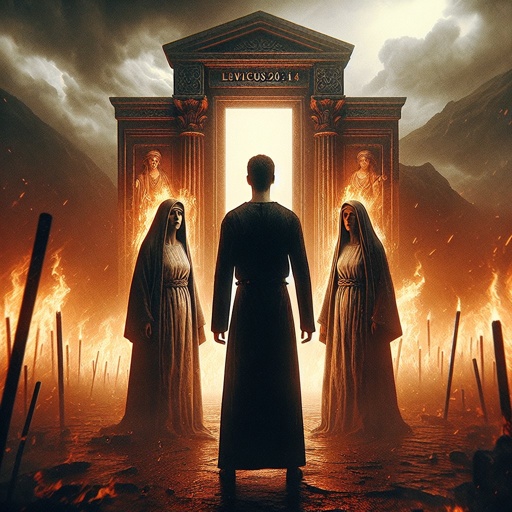
Leviticus 20:14 - "And if a man take a wife and her mother, it is wickedness: they shall be burnt with fire, both he and they; that there be no wickedness among you."

Leviticus 23:20
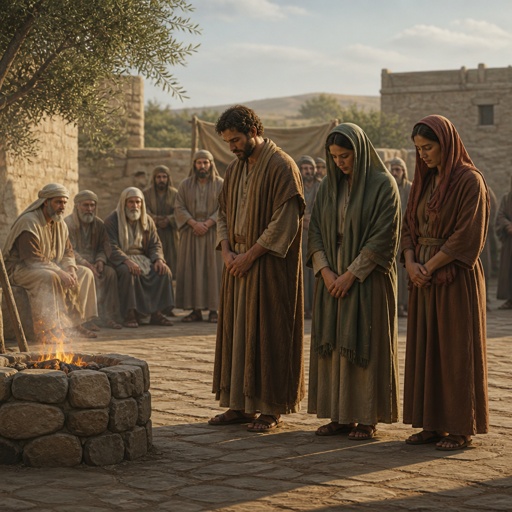
"And if a man take a wife and her mother, it is wickedness: they shall be burnt with fire, both he and they; that there be no wickedness among you." - Leviticus 20:14

Leviticus 24:20-23

Leviticus 14:51

Leviticus 20:1 - "And the LORD spake unto Moses, saying,"

Leviticus 10:20 - "And when Moses heard that, he was content."

Leviticus 14:55 - "And for the leprosy of a garment, and of a house,"

Leviticus 14:56 - "And for a rising, and for a scab, and for a bright spot:"

Leviticus 20:22-26 simple picture

Picture to summarize Leviticus 20:22-26

Leviticus 14:1 - "And the LORD spake unto Moses, saying,"

Leviticus 11:14 - "And the vulture, and the kite after his kind;"
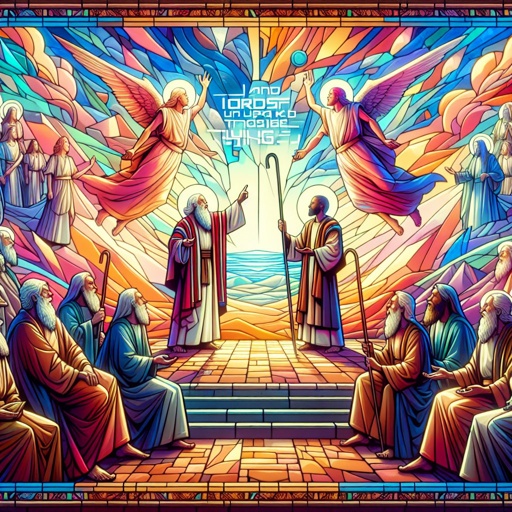
Leviticus 5:14 - "¶ And the LORD spake unto Moses, saying,"

Leviticus 14:54 - "This is the law for all manner of plague of leprosy, and scall,"

Leviticus 20:20 - "And if a man shall lie with his uncle's wife, he hath uncovered his uncle's nakedness: they shall bear their sin; they shall die childless."

Leviticus 26:14 - "¶ But if ye will not hearken unto me, and will not do all these commandments;"

Leviticus 14:33 - "¶ And the LORD spake unto Moses and unto Aaron, saying,"

Leviticus 9:20 - "And they put the fat upon the breasts, and he burnt the fat upon the altar:"

Leviticus 8:20 - "And he cut the ram into pieces; and Moses burnt the head, and the pieces, and the fat."

Leviticus 22:20 - "But whatsoever hath a blemish, that shall ye not offer: for it shall not be acceptable for you."

Leviticus 14:57 - "To teach when it is unclean, and when it is clean: this is the law of leprosy."

"And for the leprosy of a garment, and of a house," - Leviticus 14:55

Leviticus 20:7 - "¶ Sanctify yourselves therefore, and be ye holy: for I am the LORD your God."

Leviticus 13:14 - "But when raw flesh appeareth in him, he shall be unclean."

Leviticus 14:26 - "And the priest shall pour of the oil into the palm of his own left hand:"

Leviticus 18:20 - "Moreover thou shalt not lie carnally with thy neighbour's wife, to defile thyself with her."

Leviticus 11:20 - "All fowls that creep, going upon all four, shall be an abomination unto you."