Cleansed and Made Whole: Understanding Purity in God's Eyes
“And whosoever toucheth any thing that she sat upon shall wash his clothes, and bathe himself in water, and be unclean until the even.” — Leviticus 15:22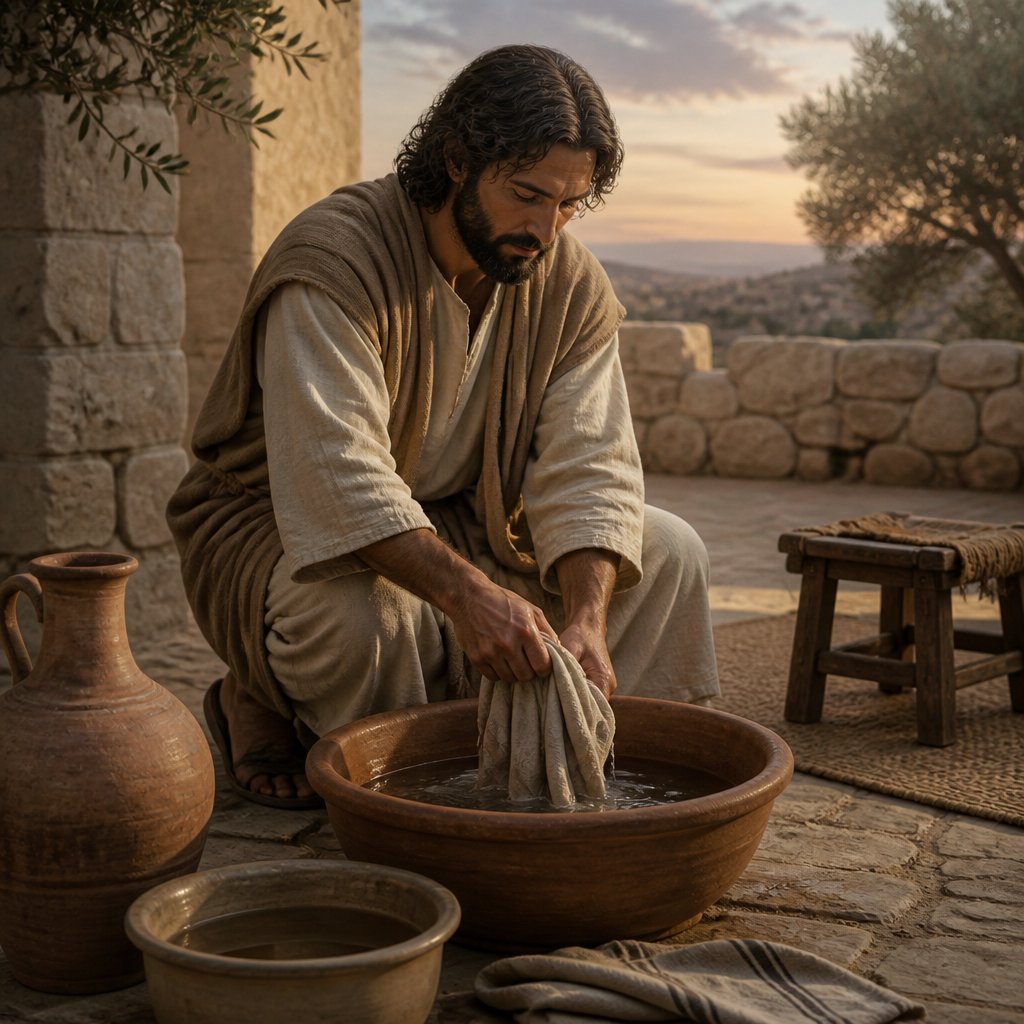
The book of Leviticus, often seen as a guide to ceremonial laws and practices among the Israelites, is rich with lessons on holiness, community health, and divine order. Within this framework, Leviticus 15:22 states, "And whosoever toucheth any thing that she sat upon shall wash his clothes, and bathe himself in water, and be unclean until the even." This verse, embedded in instruction about bodily discharges and purity, radiates deeper spiritual truths that resonate profoundly with our everyday lives.
As we delve into this scripture, we must first recognize the cultural and historical context. In ancient Israel, physical cleanliness was not merely a matter of hygiene; it was closely tied to one’s spiritual health and communal identity. God ingrained in His people the significance of purity, both externally in their physical practices and internally within their hearts. The act of washing clothes and bathing reflects a two-fold necessity—body and spirit. It speaks not only to the state of our earthly vessels but also to our standing before the Holy One.
The phrase "whosoever toucheth any thing that she sat upon" illustrates how something deemed impure could transfer its status to another, prompting a chain reaction of cleansing rituals. This acknowledgment of contamination challenges us to consider what we allow to affect our lives. In the modern world, we are surrounded by influences that can lead us away from God’s will—negativity, sin, and distractions that muddle our minds and spirits. Each inconsistency demands our attention; every encounter with impurity beckons us to reevaluate not just our actions but also our hearts.
What does it mean to be "unclean until the even"? There is a period of separation; before one can return to a state of purity, certain actions must be undertaken. This concept can be a mirror to our spiritual journeys. It invites us to reflect on moments of spiritual uncleanliness we may encounter—be it through temptation, sin, or harmful influences. It reminds us that during times of spiritual contamination, there is an expectation for us to wash ourselves—literally and figuratively. We should run to the Word of God for guidance and healing, to engage in prayer, and to allow the Holy Spirit to restore us. It requires us to acknowledge any defilement in our lives and act consciously to restore our purity.
In a New Testament context, the call to wash and cleanse symbolizes the atoning work of Jesus Christ and the sanctifying role of the Holy Spirit. As believers, we understand that Jesus became the ultimate cleansing sacrifice for our sins. Through His death and resurrection, we are offered a chance at eternal purity. The physical act of washing in Leviticus reflects an echo of the later spiritual reality brought forth by Christ, who invites us to bring forth our burdens, recognizing that He washes away not just our external stains, but our deepest, hidden sins.
Moreover, the communal aspect of purity has enduring significance. Our actions and spiritual states impact those around us. Just as touching something unclean could lead to a status of uncleanliness in another, our lives—whether they model Christ or reflect despair—can significantly influence our families, communities, and the Church. We are called to be ‘clean vessels’ as 2 Timothy 2:21 mentions, prepared for every good work.
Ultimately, the verse from Leviticus reminds us to take intentional steps toward maintaining our spiritual hygiene. Are we guarding our environments from things that can corrupt our hearts and minds? Are we practicing regularly the disciplines of confession, repentance, and prayer to ensure we remain within the fullness of God’s presence? Like the ancient Israelites, we are called to approach God in the fullness of purity—not just to fulfill a ritual but to walk in deeper fellowship with Him. In response to Leviticus 15:22, let us strive to wash clean our hearts and lives continuously, drawing nearer to our Creator and being vessels of His grace, love, and truth.
Get our apps


Artwork for Leviticus 15:22

Leviticus 15:22 - "And whosoever toucheth any thing that she sat upon shall wash his clothes, and bathe himself in water, and be unclean until the even."

"And whosoever toucheth any thing that she sat upon shall wash his clothes, and bathe himself in water, and be unclean until the even." - Leviticus 15:22

Leviticus 23:15-22

Leviticus 22:15 - "And they shall not profane the holy things of the children of Israel, which they offer unto the LORD;"

"And they shall not profane the holy things of the children of Israel, which they offer unto the LORD;" - Leviticus 22:15
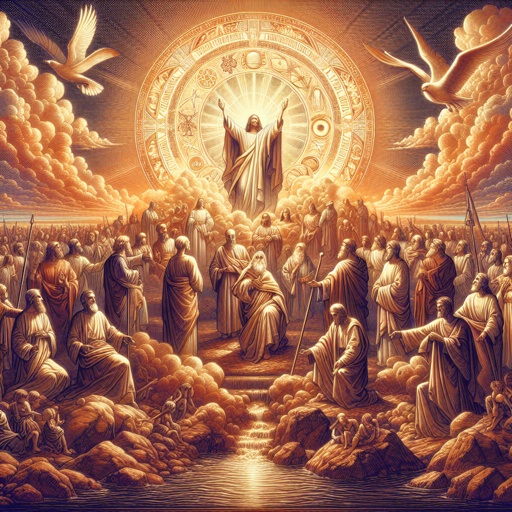
Leviticus 11:22

Leviticus 23:17-22

Leviticus 22:17 - "¶ And the LORD spake unto Moses, saying,"

Leviticus 7:22 - "¶ And the LORD spake unto Moses, saying,"

Leviticus 22:1 - "And the LORD spake unto Moses, saying,"

Leviticus 22:26 - "¶ And the LORD spake unto Moses, saying,"

Leviticus 18:22 - "Thou shalt not lie with mankind, as with womankind: it is abomination."

Leviticus 11:15 - "Every raven after his kind;"

Leviticus 20:22-26 simple picture

Picture to summarize Leviticus 20:22-26

Leviticus 15:1 - "And the LORD spake unto Moses and to Aaron, saying,"

Leviticus 22:20 - "But whatsoever hath a blemish, that shall ye not offer: for it shall not be acceptable for you."

Leviticus 13:22 - "And if it spread much abroad in the skin, then the priest shall pronounce him unclean: it is a plague."

Leviticus 21:22 - "He shall eat the bread of his God, both of the most holy, and of the holy."

Leviticus 22:33 - "That brought you out of the land of Egypt, to be your God: I am the LORD."

Leviticus 22:29 - "And when ye will offer a sacrifice of thanksgiving unto the LORD, offer it at your own will."

Leviticus 22:22 - "Blind, or broken, or maimed, or having a wen, or scurvy, or scabbed, ye shall not offer these unto the LORD, nor make an offering by fire of them upon the altar unto the LORD."

Leviticus 22:19 - "Ye shall offer at your own will a male without blemish, of the beeves, of the sheep, or of the goats."

Leviticus 22:31 - "Therefore shall ye keep my commandments, and do them: I am the LORD."

Leviticus 22:28 - "And whether it be cow or ewe, ye shall not kill it and her young both in one day."
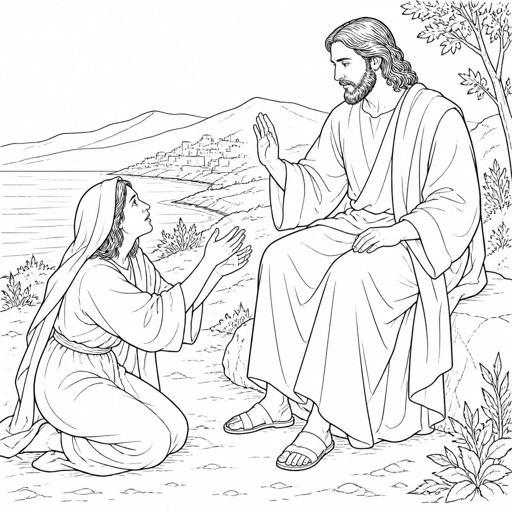
matt 15:22
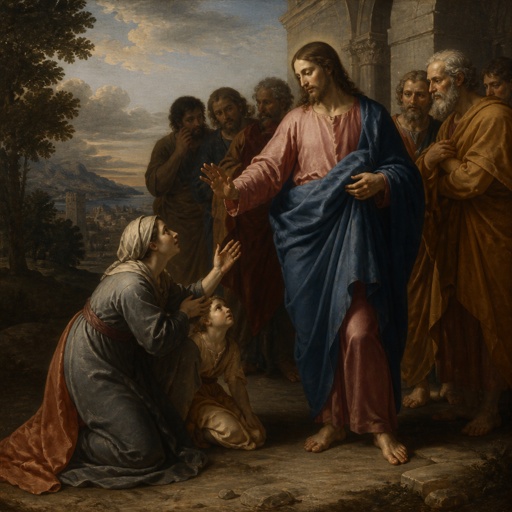
matt 15:22

Genesis 22:15

Exodus 15:22

Leviticus 15:15 - "And the priest shall offer them, the one for a sin offering, and the other for a burnt offering; and the priest shall make an atonement for him before the LORD for his issue."