Purity and Holiness: Understanding the Biblical Call to Clean Living
“And if any man lie with her at all, and her flowers be upon him, he shall be unclean seven days; and all the bed whereon he lieth shall be unclean.” — Leviticus 15:24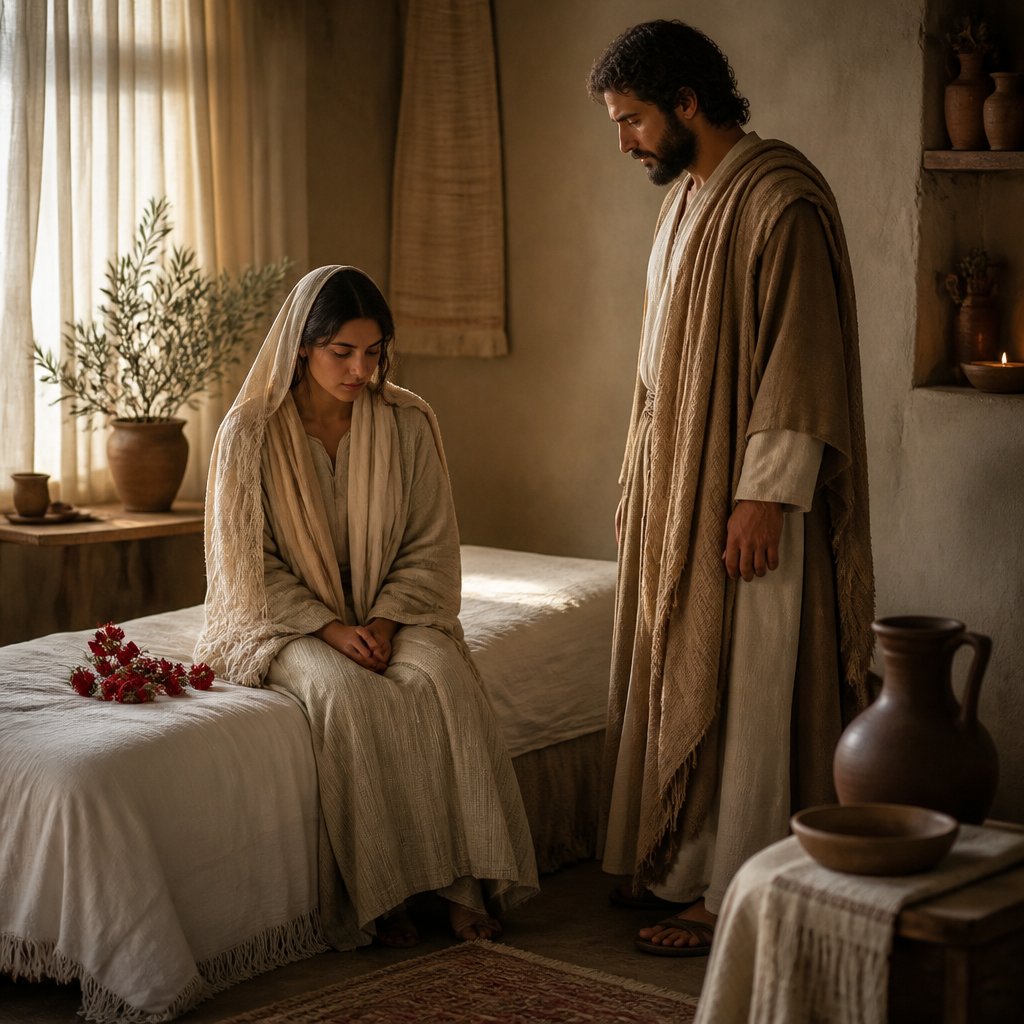
As we turn our attention to Leviticus 15:24, we encounter a text that may initially seem distant from our contemporary context: "And if any man lie with her at all, and her flowers be upon him, he shall be unclean seven days; and all the bed whereon he lieth shall be unclean." This verse, placed within the broader framework of the Mosaic Law, provides us with a profound illustration of God's call to holiness, purity, and the importance of understanding divine instructions in our lives.
In the context of the ancient Israelites, God established a system of laws that governed every aspect of life, including health regulations regarding bodily fluids and their implications for ritual purity. Here, the term "flowers" refers to the menstrual cycle, a natural bodily function that was viewed through a spiritual lens in the Torah. The laws surrounding this aspect of life were not merely about hygiene; they were deeply interwoven with the spiritual condition of the community.
As Christians, we might strive to distance ourselves from these Old Testament laws, particularly one that seems so irrelevant in modern society. However, it’s essential to remember that the core principles behind these laws still resonate today. God’s desire for His people to maintain purity is not limited to ceremonial law; rather, it extends into our daily lives with implications that transcend cultural practices. The Bible emphasizes the idea that, in both the Old and New Testaments, holiness is an essential attribute of God, and as His followers, we are called to reflect that holiness in our behavior.
Reflecting on this, let’s dissect what it means to be "unclean" in this context. In biblical terms, being "unclean" is not a moral failing but rather a state that separates us from full participation in worship and community life. The seven days of impurity highlight a period designed not only for physical cleanliness but to encourage the individual to reflect on their relationship with God. It was a time of rest, reflection, and possibly repentance. So, what can we learn from this from a spiritual perspective?
Firstly, the call to purity is an invitation to self-examination. Just as the man who would be deemed unclean had to give thought to his actions and their repercussions, we, too, are called to assess the state of our hearts and lives. Are there areas where we compromise our integrity and purity? This extends beyond physical actions. We might consider our thoughts, words, and attitudes toward others as reflections of our holiness. Scripture tells us in 1 Peter 1:16, "Because it is written, Be ye holy; for I am holy." The call to holiness is not about gauging ourselves against others but rather aligning our lives with God's character.
Secondly, the concept of cleanliness suggests an active role in the community of faith. The verse implies a shared responsibility—what affects one also impacts the community. This reflects our lives as part of the body of Christ. When one of us is struggling with sin or impurity, it can affect the health of the whole body. Therefore, we need to show grace and support to one another, encouraging restoration, healing, and a return to purity.
Finally, we can appreciate this passage as a reminder of God’s desire for closeness and connection with His people. Even though the laws might seem stringent, they are rooted in God’s ultimate desire for us to approach Him with pure hearts. In the New Testament, we lean on the sacrifice of Jesus, whose blood cleanses us from all unrighteousness. In Christ, we find our hope for transformation, not through human effort but through divine empowerment.
As we cycle through our own experiences, let us reflect on God’s call for our lives. How are we pursuing holiness amidst the complexities of life? Are we allowing our surroundings to dictate our purity, or do we strive to be examples of Christ's love and righteousness? May we embrace this biblical challenge and rise to the occasion of living lives that honor our calling, ensuring that we remain connected to the source of true life and purity—our Lord Jesus Christ.
Get our apps


Artwork for Leviticus 15:24

Leviticus 15:24 - "And if any man lie with her at all, and her flowers be upon him, he shall be unclean seven days; and all the bed whereon he lieth shall be unclean."
"And if any man lie with her at all, and her flowers be upon him, he shall be unclean seven days; and all the bed whereon he lieth shall be unclean." - Leviticus 15:24

Leviticus 24:15 - "And thou shalt speak unto the children of Israel, saying, Whosoever curseth his God shall bear his sin."

Leviticus 24:20-23
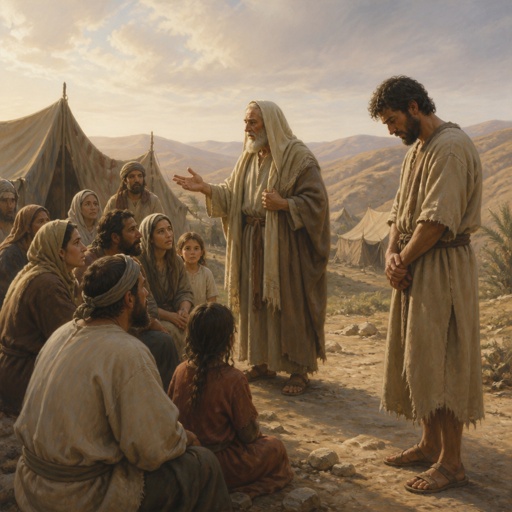
"And thou shalt speak unto the children of Israel, saying, Whosoever curseth his God shall bear his sin." - Leviticus 24:15

Leviticus 6:24 - "¶ And the LORD spake unto Moses, saying,"

Leviticus 24:1 - "And the LORD spake unto Moses, saying,"

Leviticus 24:13 - "And the LORD spake unto Moses, saying,"

Leviticus 24:12 - "And they put him in ward, that the mind of the LORD might be shewed them."

Leviticus 23:15-22

Leviticus 24:17 - "¶ And he that killeth any man shall surely be put to death."

Leviticus 24:18 - "And he that killeth a beast shall make it good; beast for beast."

Leviticus 11:15 - "Every raven after his kind;"

Leviticus 25:24 - "And in all the land of your possession ye shall grant a redemption for the land."

Leviticus 21:24 - "And Moses told it unto Aaron, and to his sons, and unto all the children of Israel."

Leviticus 15:1 - "And the LORD spake unto Moses and to Aaron, saying,"

Leviticus 11:24 - "And for these ye shall be unclean: whosoever toucheth the carcase of them shall be unclean until the even."

Leviticus 19:24 - "But in the fourth year all the fruit thereof shall be holy to praise the LORD withal."

Leviticus 24:4 - "He shall order the lamps upon the pure candlestick before the LORD continually."

Genesis 24-15

Joshua 24:15

Genesis 24:15

Joshua 24:15

Matthew 24:15

Joshua 24:15

"¶ And the LORD spake unto Moses, saying," - Leviticus 6:24

Leviticus 24:21 - "And he that killeth a beast, he shall restore it: and he that killeth a man, he shall be put to death."
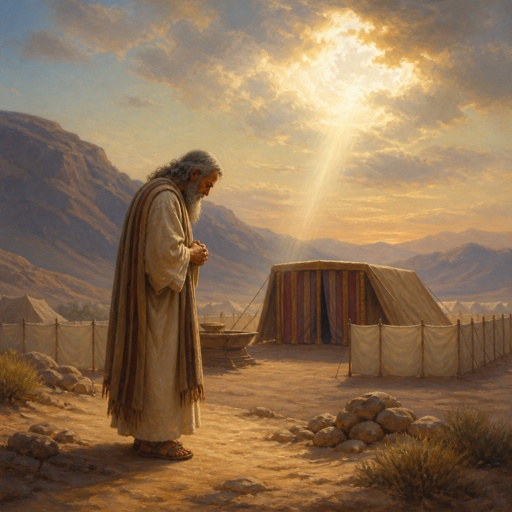
"And the LORD spake unto Moses, saying," - Leviticus 24:13
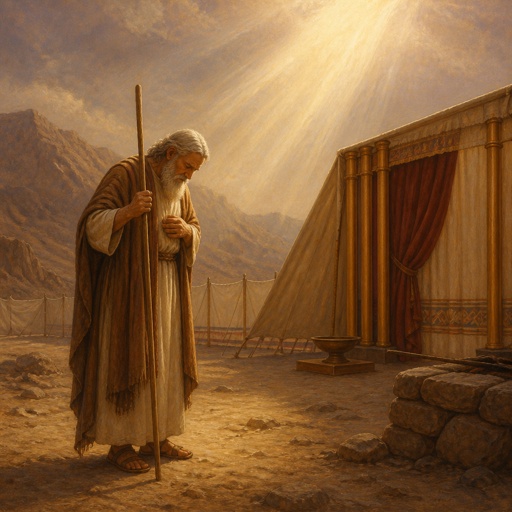
"And the LORD spake unto Moses, saying," - Leviticus 24:1

Leviticus 24:19 - "And if a man cause a blemish in his neighbour; as he hath done, so shall it be done to him;"