Purity and Preparation: A Lesson from Leviticus 15:27
“And whosoever toucheth those things shall be unclean, and shall wash his clothes, and bathe himself in water, and be unclean until the even.” — Leviticus 15:27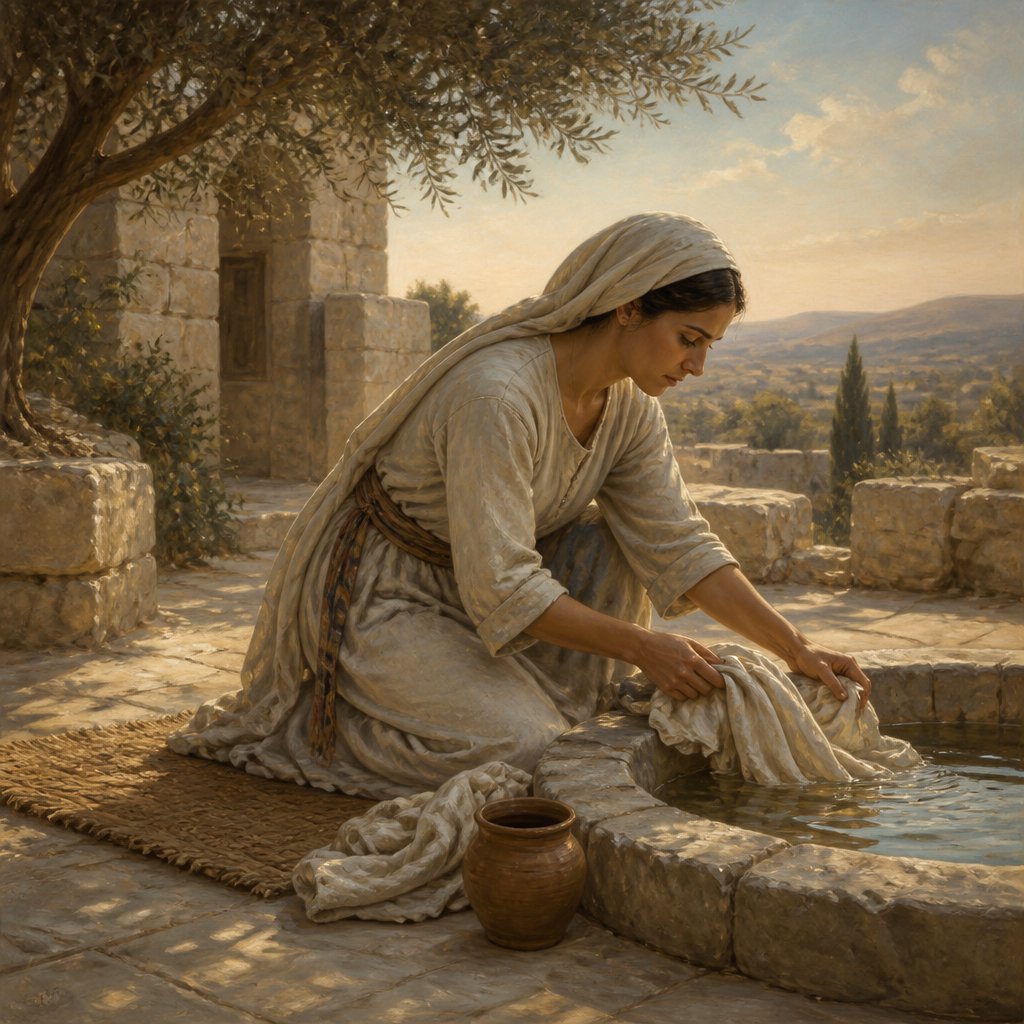
The book of Leviticus can often be perceived as a collection of archaic laws and regulations, distant from our modern life. Yet, nestled within these ancient instructions is a profound understanding of purity, health, and the importance of preparation for worship and community life. Leviticus 15:27 states, "And whosoever toucheth those things shall be unclean, and shall wash his clothes, and bathe himself in water, and be unclean until the even." This verse encapsulates the principles of cleanliness that God imparted to the nation of Israel, and it echoes through time to offer us spiritual revelations applicable even today.
In this context, the regulations regarding 'uncleanness' relate to various bodily discharges, which were seen as not only physical but also spiritual impurities. The designation of being 'unclean' served to remind the people of their need for restoration before approaching God or participating in communal life. This was not merely physical hygiene but connected to the holiness of God; it highlighted the necessity of preparation before entering His presence. Similar to how they had to approach God with an understanding of their condition, we too must recognize our need for spiritual cleansing.
Touching the items that were deemed unclean necessitated a series of actions: washing clothes and bathing in water. These actions involved both a physical act of cleanliness and a deeper implication of sanctification. From a spiritual perspective, this reflects the reality that our encounters with the world can bring impurities into our lives. In our daily lives, we are constantly exposed to negativity, sin, and influences that can taint our relationship with Christ. The admonition in Leviticus serves as a reminder to identify and remove anything that compromises our spiritual integrity and our connection to God.
We may not be called to bathe in water or wash our clothes in a literal sense. Instead, we are urged to cleanse ourselves of sin through confession and repentance. The Apostle John reminds us in 1 John 1:9, “If we confess our sins, he is faithful and just to forgive us our sins, and to cleanse us from all unrighteousness.” Here we see the deeper meaning of being made clean — it is about restoration and the intimacy of a relationship with God. Just as Israel recognized their state of being unclean, we too must come to God recognizing when we have allowed the dirt of the world to cling to us.
The phrase "unclean until the even" further emphasizes the temporal nature of this state. It provides hope that the period of uncleanness is not permanent; there is a purpose and a progression toward cleanliness. This indicates a time for restoration — a reminder that we can expect renewal and cleansing in God’s timing. There is an assurance that our unclean state will not last forever if we take the necessary steps toward purification. This can motivate us to seek God’s cleansing with great urgency and devotion.
Moreover, when approaching God in our unclean state, we must also remember the intent behind our actions. The washing of clothes and bathing symbolically serves as a preparation for communal life; it was a call to maintain purity within the community of believers. As we gather in fellowship, we carry the responsibility of contributing positively to the body of Christ, being mindful of our behavior and how it affects others. Paul admonishes in Romans 12:1 to present our bodies as living sacrifices, holy and acceptable to God — which denotes ongoing sanctification.
In conclusion, Leviticus 15:27 speaks volumes about our daily faith walk. It encourages self-examination, purification from sin, and the understanding that cleanliness before God is crucial in fostering a true community of believers. As we strive to be more Christ-like, let us actively engage in practices that promote our spiritual cleanliness, upholding each other in our journeys. Let us wash our hearts and minds in His Word, turning away from sin, and striving to reflect His glory — for we are called to be holy, just as He is holy.
Get our apps


Artwork for Leviticus 15:27

Leviticus 15:27 - "And whosoever toucheth those things shall be unclean, and shall wash his clothes, and bathe himself in water, and be unclean until the even."
"And whosoever toucheth those things shall be unclean, and shall wash his clothes, and bathe himself in water, and be unclean until the even." - Leviticus 15:27

Leviticus 27:15 - "And if he that sanctified it will redeem his house, then he shall add the fifth part of the money of thy estimation unto it, and it shall be his."

Leviticus 27

Leviticus 27

Leviticus 27

Leviticus 27:1 - "And the LORD spake unto Moses, saying,"

Leviticus 27:4 - "And if it be a female, then thy estimation shall be thirty shekels."
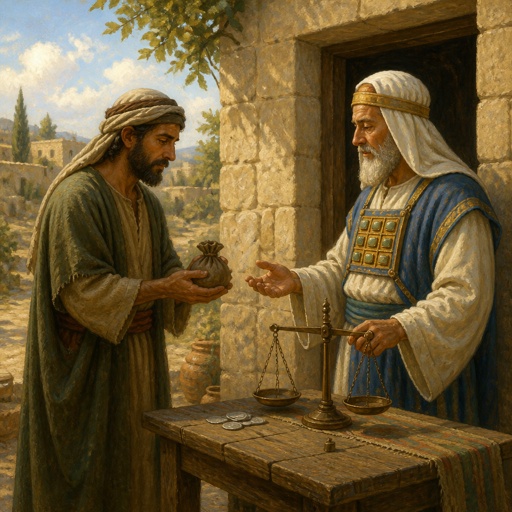
"And if he that sanctified it will redeem his house, then he shall add the fifth part of the money of thy estimation unto it, and it shall be his." - Leviticus 27:15

Leviticus 27:27 - "And if it be of an unclean beast, then he shall redeem it according to thine estimation, and shall add a fifth part of it thereto: or if it be not redeemed, then it shall be sold according to thy estimation."

Leviticus 26:27 - "And if ye will not for all this hearken unto me, but walk contrary unto me;"

Leviticus 27:34 - "These are the commandments, which the LORD commanded Moses for the children of Israel in mount Sinai."

Leviticus 23:15-22

Leviticus 11:15 - "Every raven after his kind;"

Leviticus 27:25 - "And all thy estimations shall be according to the shekel of the sanctuary: twenty gerahs shall be the shekel."

Leviticus 27:13 - "But if he will at all redeem it, then he shall add a fifth part thereof unto thy estimation."

Leviticus 27:30 - "And all the tithe of the land, whether of the seed of the land, or of the fruit of the tree, is the LORD'S: it is holy unto the LORD."

Leviticus 15:1 - "And the LORD spake unto Moses and to Aaron, saying,"

Leviticus 27:17 - "If he sanctify his field from the year of jubile, according to thy estimation it shall stand."

Leviticus 18:27 - "(For all these abominations have the men of the land done, which were before you, and the land is defiled;)"

"And the LORD spake unto Moses, saying," - Leviticus 27:1

Leviticus 27:31 - "And if a man will at all redeem ought of his tithes, he shall add thereto the fifth part thereof."

Leviticus 27:12 - "And the priest shall value it, whether it be good or bad: as thou valuest it, who art the priest, so shall it be."

Leviticus 27:20 - "And if he will not redeem the field, or if he have sold the field to another man, it shall not be redeemed any more."

Leviticus 19:27 - "Ye shall not round the corners of your heads, neither shalt thou mar the corners of thy beard."

Leviticus 27:22 - "And if a man sanctify unto the LORD a field which he hath bought, which is not of the fields of his possession;"

Leviticus 27:7 - "And if it be from sixty years old and above; if it be a male, then thy estimation shall be fifteen shekels, and for the female ten shekels."

Leviticus 27:32 - "And concerning the tithe of the herd, or of the flock, even of whatsoever passeth under the rod, the tenth shall be holy unto the LORD."

Leviticus 27:26 - "¶ Only the firstling of the beasts, which should be the LORD'S firstling, no man shall sanctify it; whether it be ox, or sheep: it is the LORD'S."
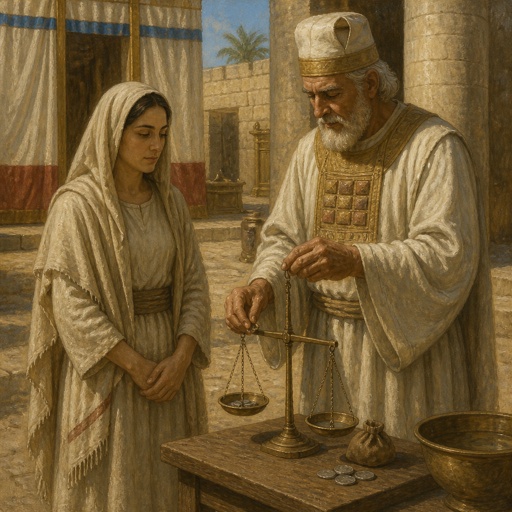
"And if it be a female, then thy estimation shall be thirty shekels." - Leviticus 27:4