Cleansed and Renewed: Understanding the Call to Purity
“And whosoever toucheth her bed shall wash his clothes, and bathe himself in water, and be unclean until the even.” — Leviticus 15:21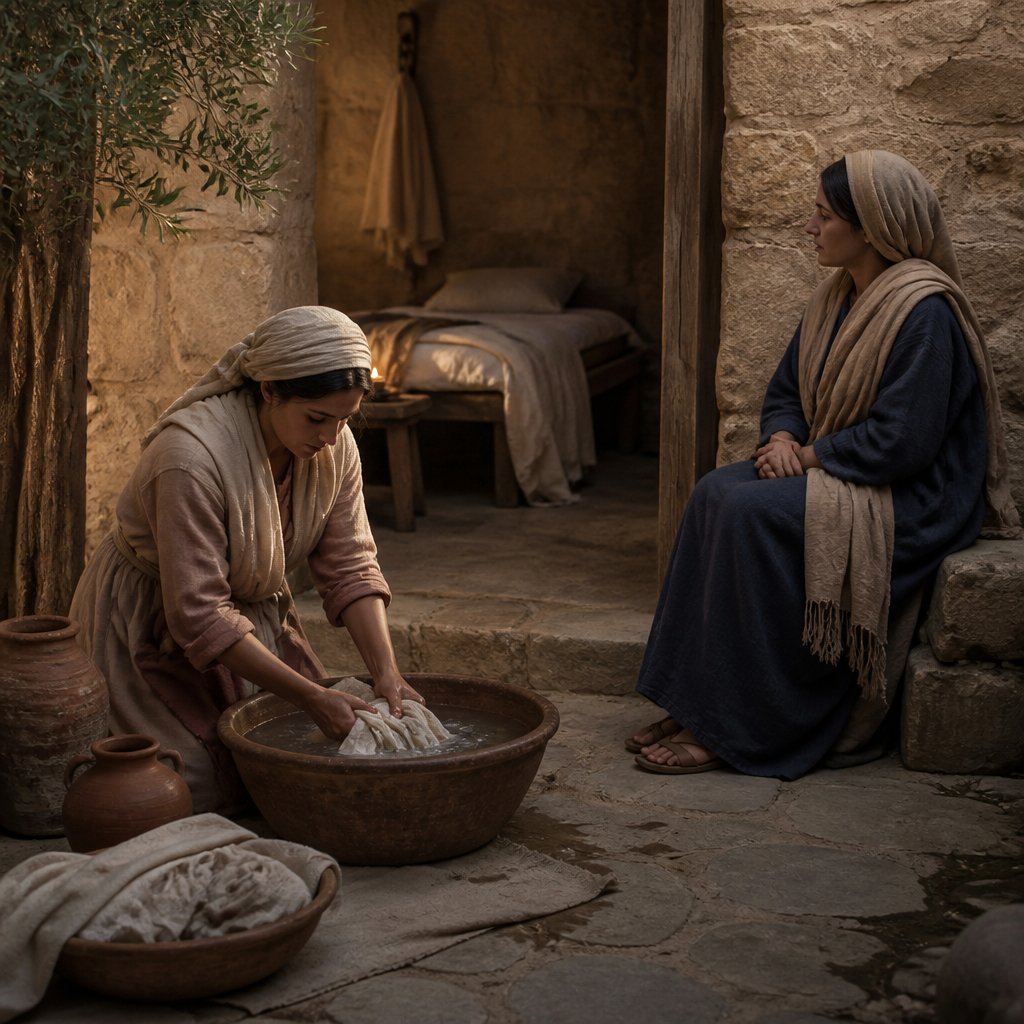
Leviticus 15:21 reads, "And whosoever toucheth her bed shall wash his clothes, and bathe himself in water, and be unclean until the even" (KJV). At first glance, this verse may seem steeped in ancient rituals and cultural practices that no longer apply to our lives today. However, within this directive lies profound spiritual truths about holiness, separation from sin, and the process of cleansing that resonate deeply in our journey of faith.
In engaging with the law, we must understand the context of Leviticus. The instruction here concerns the laws of purity relating to bodily discharges, a subject that can seem rather uncomfortable or irrelevant in contemporary discussions. Yet God, in His infinite wisdom, provided these guidelines not merely for hygienic reasons but to teach His people about the importance of holiness and the seriousness of sin. The bed here symbolizes a place of intimacy and rest, which in the spiritual realm, can represent our relationship with God and the sanctity of the bonds we invest in.
When the law states that "whosoever toucheth her bed shall wash his clothes, and bathe himself in water," it points to a need for action following an act that renders someone unclean. In Israelite culture, this wasn't just a physical cleansing but also a reflection of the internal state of being. The washing of clothes and bathing were outward symbols of a necessary inward transformation. It reminds us of the need to be conscious of our choices and interactions in this world. Close examination must occur when we engage with things that may lead us away from God's holiness. It challenges us to think, how do we handle our spiritual bedding?
One can liken the bed to our hearts, as Jesus said, "For where your treasure is, there will your heart be also" (Matthew 6:21). What are the thoughts that rest on this bed of our hearts? Are we allowing ourselves to become entangled in lustful ideas, harmful relationships, or sinful patterns? If so, we must recognize that touching the bed requires a response. God clearly indicates that it demands action—an active choice to wash away what is dirty, both externally and internally.
When we think about "washing his clothes, and bathe himself in water," we are called to remember the grace that has been extended to us through Christ. In John 13, Jesus teaches His disciples about washing by example; He bends low to wash their feet, illustrating humility and service. Much like the physical washing that purifies the body in Leviticus 15:21, Jesus offers spiritual cleansing to all who believe in Him. "If we confess our sins, he is faithful and just to forgive us our sins, and to cleanse us from all unrighteousness" (1 John 1:9). The washing here is an invitation to confront our uncleanness, to bring our burdens to Him, and emerge renewed.
Furthermore, the phrase, "and be unclean until the even" speaks to the temporary nature of uncleanliness and the hope of restoration. In our walk, we may feel unclean, stained by sin or the weight of the world. Yet, we mustn't despair; evening comes, bringing the promise of a new day. This signifies the passing of time, hope, and renewal; it’s an assurance that our state of uncleanliness doesn’t last forever when we turn to God in repentance and ask for His forgiveness.
In conclusion, let us reflect on this directive from Leviticus not merely as an Old Testament law but as an enduring truth about the importance of purity in our walk with Christ. As we approach this day, may we be diligent in examining our hearts and relationships, engaging in the washing that leads to thorough cleansing, and drawing closer to God who desires our holiness. Let us embrace the promise that through Him, we can be both made clean and restored, ready to serve, love, and reflect the light of Christ to the world around us.
Get our apps


Artwork for Leviticus 15:21

Leviticus 15:21 - "And whosoever toucheth her bed shall wash his clothes, and bathe himself in water, and be unclean until the even."
"And whosoever toucheth her bed shall wash his clothes, and bathe himself in water, and be unclean until the even." - Leviticus 15:21

Leviticus 21:15 - "Neither shall he profane his seed among his people: for I the LORD do sanctify him."

Leviticus 23:21

Leviticus 23:21

Leviticus 23:21

Leviticus 23:21

Leviticus 23:21

Leviticus 23:21

"Neither shall he profane his seed among his people: for I the LORD do sanctify him." - Leviticus 21:15

Leviticus 21:19 - "Or a man that is brokenfooted, or brokenhanded,"

Leviticus 21:16 - "¶ And the LORD spake unto Moses, saying,"

Leviticus 21:13 - "And he shall take a wife in her virginity."

Leviticus 23:15-22

Leviticus 11:15 - "Every raven after his kind;"

"Or a man that is brokenfooted, or brokenhanded," - Leviticus 21:19

Leviticus 15:1 - "And the LORD spake unto Moses and to Aaron, saying,"

Leviticus 21:22 - "He shall eat the bread of his God, both of the most holy, and of the holy."

Leviticus 21:24 - "And Moses told it unto Aaron, and to his sons, and unto all the children of Israel."

Leviticus 9:21 - "And the breasts and the right shoulder Aaron waved for a wave offering before the LORD; as Moses commanded."

Leviticus 15:15 - "And the priest shall offer them, the one for a sin offering, and the other for a burnt offering; and the priest shall make an atonement for him before the LORD for his issue."

Luke 15:21

Luke 15:21

Genesis 15:21

Exodus 15:21

Genesis 21-15

Leviticus 21:4 - "But he shall not defile himself, being a chief man among his people, to profane himself."

Leviticus 21:20 - "Or crookbackt, or a dwarf, or that hath a blemish in his eye, or be scurvy, or scabbed, or hath his stones broken;"
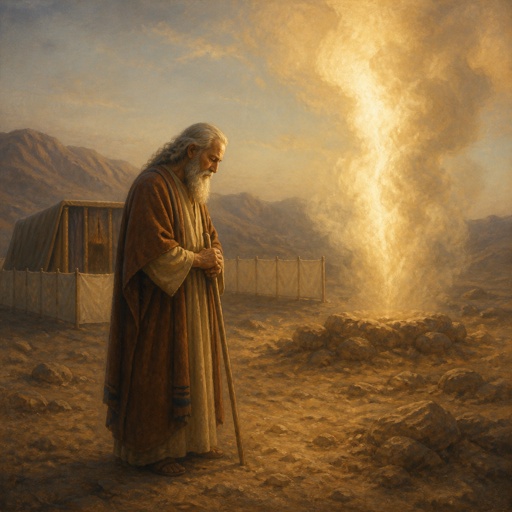
"¶ And the LORD spake unto Moses, saying," - Leviticus 21:16

Leviticus 24:21 - "And he that killeth a beast, he shall restore it: and he that killeth a man, he shall be put to death."