What does Leviticus 15:21 mean?
“And whosoever toucheth her bed shall wash his clothes, and bathe himself in water, and be unclean until the even.” — Leviticus 15:21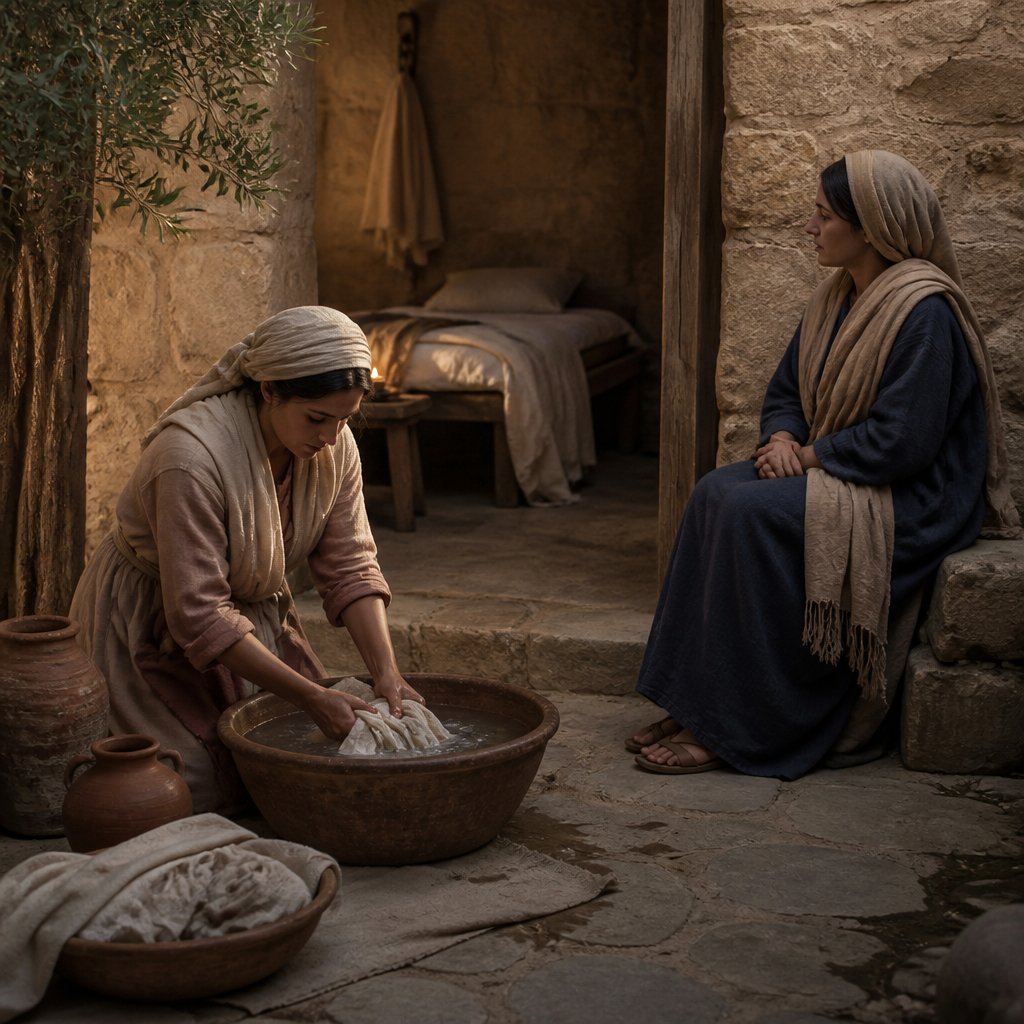
Leviticus 15:21 in the King James Version of the Bible reads, "And whosoever toucheth her bed shall wash his clothes, and bathe himself in water, and be unclean until the even." This verse is found in the Book of Leviticus, which is the third book of the Hebrew Bible and the Old Testament. Leviticus is mainly concerned with priestly duties, rituals, and laws for the Israelites, and it contains many regulations related to cleanliness, purity, and religious observance.
The verse in question is part of a larger passage that deals with the laws of uncleanness related to menstruation. It specifically addresses the issue of a man who touches the bed of a woman who is menstruating. In this context, the verse commands that the man must wash his clothes, bathe himself in water, and remain unclean until evening.
From a contextual standpoint, this verse is situated within the broader framework of purity laws found in Leviticus. The concept of uncleanness or impurity in this passage is not synonymous with moral sin, but rather it pertains to ritual impurity that renders a person temporarily unfit for participating in religious activities.
One of the primary themes in Leviticus 15:21 is the separation between the clean and the unclean. The Israelites were instructed to adhere to these laws in order to maintain their ritual purity and to be set apart as a holy people. By following these regulations, they demonstrated their obedience to God and their commitment to holiness.
At the same time, this passage reflects a patriarchal society in which women were considered unclean during menstruation. The emphasis on avoiding contact with a menstruating woman's bed reinforces the idea of women as sources of ritual impurity during their monthly cycle. This raises important questions about gender dynamics and the treatment of women in ancient Israelite society.
The symbolism in this verse is multi-faceted. On one level, it represents the overarching theme of purity and impurity in the Hebrew Bible. By adhering to these laws, the Israelites demonstrated their commitment to living in accordance with God's standards. The emphasis on washing and bathing also underscores the importance of physical cleanliness as a reflection of spiritual purity.
From a feminist perspective, the symbolism in this verse highlights the ways in which women's bodies were stigmatized and considered inherently impure within the religious and cultural context of ancient Israel. This serves as a reminder of the importance of interpreting and applying biblical teachings in ways that affirm the dignity and equality of all individuals, regardless of gender.
In modern times, Leviticus 15:21 continues to prompt reflection and discussion about the intersection of religion, gender, and social norms. It challenges contemporary readers to examine the ways in which religious texts have been used to justify gender-based discrimination and to consider how these texts can be reinterpreted in ways that affirm the equal worth and dignity of all individuals.
In conclusion, Leviticus 15:21 is a verse that addresses issues of cleanliness, ritual purity, and gender dynamics within the broader context of Levitical law. Its themes of separation, obedience to God, and the treatment of women continue to resonate with readers today, prompting deeper reflection on the intersection of religious teachings and social values.
Get our apps


Artwork for Leviticus 15:21

Leviticus 15:21 - "And whosoever toucheth her bed shall wash his clothes, and bathe himself in water, and be unclean until the even."
"And whosoever toucheth her bed shall wash his clothes, and bathe himself in water, and be unclean until the even." - Leviticus 15:21

Leviticus 21:15 - "Neither shall he profane his seed among his people: for I the LORD do sanctify him."

Leviticus 23:21

Leviticus 23:21

Leviticus 23:21

Leviticus 23:21

Leviticus 23:21

Leviticus 23:21

"Neither shall he profane his seed among his people: for I the LORD do sanctify him." - Leviticus 21:15

Leviticus 21:19 - "Or a man that is brokenfooted, or brokenhanded,"

Leviticus 21:16 - "¶ And the LORD spake unto Moses, saying,"

Leviticus 21:13 - "And he shall take a wife in her virginity."

Leviticus 23:15-22

Leviticus 11:15 - "Every raven after his kind;"

"Or a man that is brokenfooted, or brokenhanded," - Leviticus 21:19

Leviticus 15:1 - "And the LORD spake unto Moses and to Aaron, saying,"

Leviticus 21:22 - "He shall eat the bread of his God, both of the most holy, and of the holy."

Leviticus 21:24 - "And Moses told it unto Aaron, and to his sons, and unto all the children of Israel."

Leviticus 9:21 - "And the breasts and the right shoulder Aaron waved for a wave offering before the LORD; as Moses commanded."

Leviticus 15:15 - "And the priest shall offer them, the one for a sin offering, and the other for a burnt offering; and the priest shall make an atonement for him before the LORD for his issue."

Luke 15:21

Luke 15:21

Genesis 15:21

Exodus 15:21

Genesis 21-15

Leviticus 21:4 - "But he shall not defile himself, being a chief man among his people, to profane himself."

Leviticus 21:20 - "Or crookbackt, or a dwarf, or that hath a blemish in his eye, or be scurvy, or scabbed, or hath his stones broken;"
"¶ And the LORD spake unto Moses, saying," - Leviticus 21:16

Leviticus 24:21 - "And he that killeth a beast, he shall restore it: and he that killeth a man, he shall be put to death."