The Scapegoat: A Symbol of Redemption and Release
“And Aaron shall lay both his hands upon the head of the live goat, and confess over him all the iniquities of the children of Israel, and all their transgressions in all their sins, putting them upon the head of the goat, and shall send him away by the hand of a fit man into the wilderness:” — Leviticus 16:21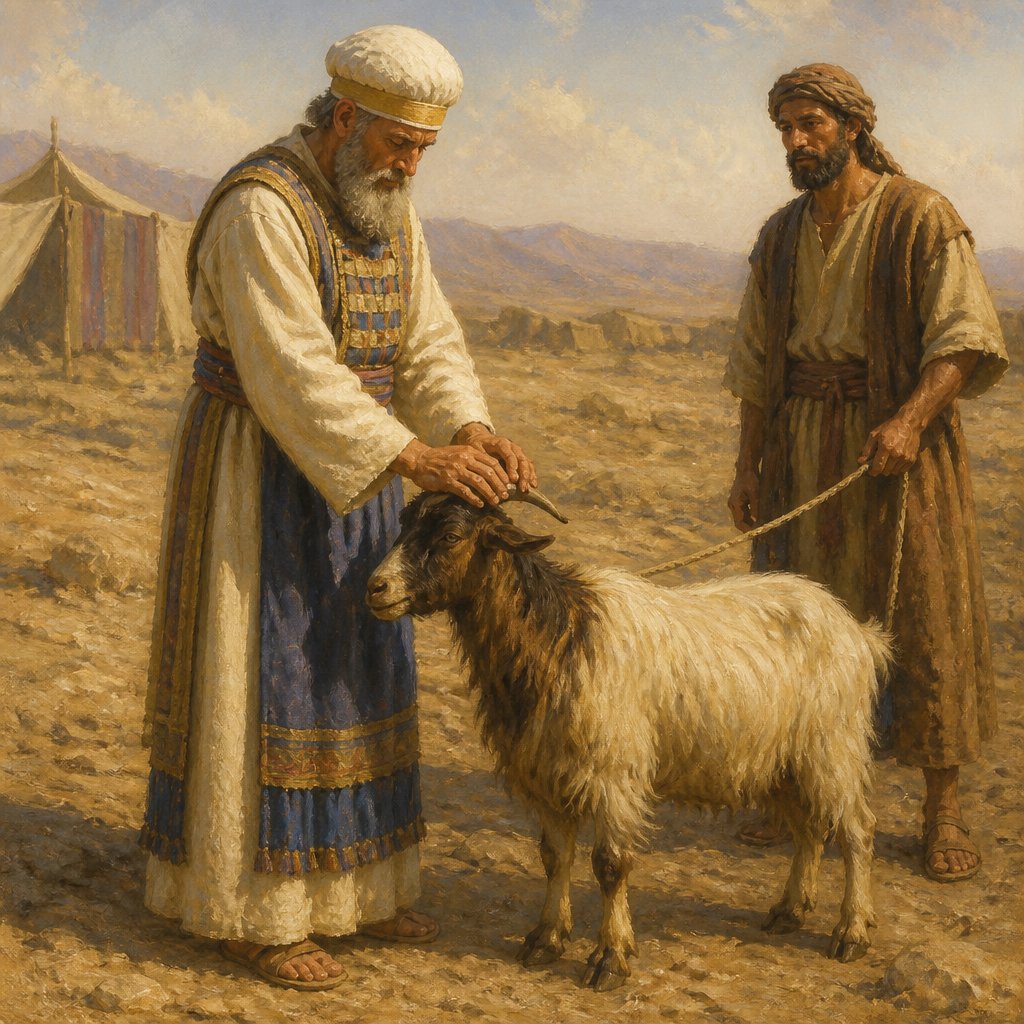
In Leviticus 16:21, we encounter a profound moment during the Day of Atonement, when Aaron, the High Priest, lays his hands on the live goat, symbolically transferring the sins of the people onto it. The verse states, "And Aaron shall lay both his hands upon the head of the live goat, and confess over him all the iniquities of the children of Israel, and all their transgressions in all their sins, putting them upon the head of the goat, and shall send him away by the hand of a fit man into the wilderness."
This act, known as the ritual of the scapegoat, serves as a powerful metaphor for the entire human experience of sin and redemption. To grasp the significance of this ceremony, we must explore the deeper meanings behind confession, transference of sin, and the wilderness itself.
### Confession and the Weight of Sin
In the context of this ritual, Aaron was not merely naming sins generically; he was acknowledging the very weight of iniquity that burdened the people of Israel. Confession goes beyond verbal acknowledgment; it requires an understanding of the nature of sin and its consequences. When Aaron confessed, he articulated a communal narrative, a story of transgressions that impacted not just the individual, but the entire nation. This public confession invites us to reflect on our own lives, encouraging us to recognize the weight of sin and the importance of bringing it before God. In our spiritual walks, how often do we confront and confess our own sins? True confession is not just a moment at the altar but an ongoing practice that keeps our hearts humble and open to God's forgiveness.
### The Transference of Sin
The act of placing hands on the goat highlights the transfer of guilt—an ancient symbol steeped in rich theological meaning. In essence, it signifies the burden of sin being placed onto another. For the Israelites, the scapegoat would carry away their sins into the wilderness, a place where those sins would no longer be held against them. This moment resonates with the New Testament revelation where John the Baptist declares Jesus as "the Lamb of God, which taketh away the sin of the world" (John 1:29). Just as the goat bore the weight of Israel’s sins, Jesus bears our sins, offering us complete redemption. This brings us to ask ourselves: What wages of sin are we still carrying that God is inviting us to release? The beauty of the Gospel is that Jesus is willing to shoulder our burdens if we allow Him to do so.
### Into the Wilderness
The wilderness in biblical times was often viewed as a desolate place, a harsh environment where no sustenance was readily available. By sending the goat into the wilderness, Aaron demonstrated that the sins of the people were being removed from them and left in a place of desolation, never to return. Spiritually, the wilderness symbolizes the areas of our lives we may wish to forget—the places where our past sins linger and threaten to resurface, where they are stripped of life and vitality. God desires for us to recognize that our sins can be placed far away from us; they do not define us, nor must they govern our future.
### Conclusion
As we reflect on Leviticus 16:21, let us grasp the immense grace we are afforded through confession, the transfer of our burdens to Christ, and the opportunity to leave our sins in the wilderness, forever separated from our identity. When we embrace God’s gift of grace and mercy, we find that we are not merely forgiven, but we are freed. The call to every believer is to lay our burdens down and trust that through Christ, we can walk anew, alive in His righteousness. It is a reminder that no matter how heavy our sin might feel, there is great power in acknowledging it before the Lord and accepting His free gift of salvation.
Get our apps


Artwork for Leviticus 16:21

Leviticus 16:21 - "And Aaron shall lay both his hands upon the head of the live goat, and confess over him all the iniquities of the children of Israel, and all their transgressions in all their sins, putting them upon the head of the goat, and shall send him away by the hand of a fit man into the wilderness:"
"And Aaron shall lay both his hands upon the head of the live goat, and confess over him all the iniquities of the children of Israel, and all their transgressions in all their sins, putting them upon the head of the goat, and shall send him away by the hand of a fit man into the wilderness:" - Leviticus 16:21

Leviticus 21:16 - "¶ And the LORD spake unto Moses, saying,"
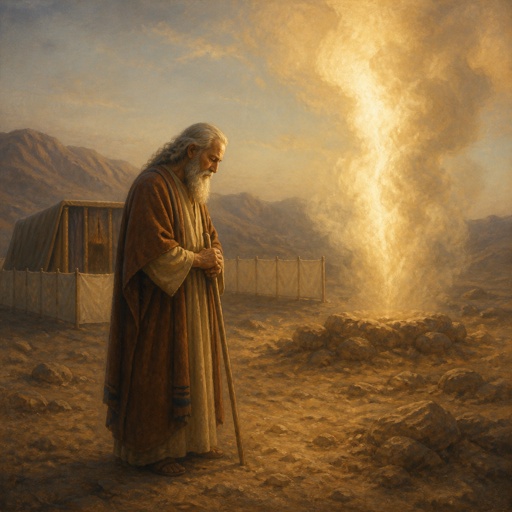
"¶ And the LORD spake unto Moses, saying," - Leviticus 21:16

Leviticus 23:21

Leviticus 23:21

Leviticus 23:21

Leviticus 23:21

Leviticus 23:21

Leviticus 23:21

Leviticus 21:19 - "Or a man that is brokenfooted, or brokenhanded,"

Leviticus 16:8

leviticus 16:7-10

Leviticus 21:13 - "And he shall take a wife in her virginity."

"Or a man that is brokenfooted, or brokenhanded," - Leviticus 21:19

Leviticus 9:16 - "And he brought the burnt offering, and offered it according to the manner."

Leviticus 21:22 - "He shall eat the bread of his God, both of the most holy, and of the holy."

Leviticus 21:24 - "And Moses told it unto Aaron, and to his sons, and unto all the children of Israel."

Leviticus 4:16 - "And the priest that is anointed shall bring of the bullock's blood to the tabernacle of the congregation:"

Leviticus 11:16 - "And the owl, and the night hawk, and the cuckow, and the hawk after his kind,"

Leviticus 16:25 - "And the fat of the sin offering shall he burn upon the altar."

Leviticus 9:21 - "And the breasts and the right shoulder Aaron waved for a wave offering before the LORD; as Moses commanded."

Genesis 21-16

Leviticus 18:16 - "Thou shalt not uncover the nakedness of thy brother's wife: it is thy brother's nakedness."

Leviticus 21:4 - "But he shall not defile himself, being a chief man among his people, to profane himself."

Leviticus 21:20 - "Or crookbackt, or a dwarf, or that hath a blemish in his eye, or be scurvy, or scabbed, or hath his stones broken;"

Leviticus 24:21 - "And he that killeth a beast, he shall restore it: and he that killeth a man, he shall be put to death."

Leviticus 21:21 - "No man that hath a blemish of the seed of Aaron the priest shall come nigh to offer the offerings of the LORD made by fire: he hath a blemish; he shall not come nigh to offer the bread of his God."

Leviticus 25:21 - "Then I will command my blessing upon you in the sixth year, and it shall bring forth fruit for three years."

Leviticus 21:15 - "Neither shall he profane his seed among his people: for I the LORD do sanctify him."