The Price of Approach: Understanding Sacrifice in the House of God
“And bringeth it not unto the door of the tabernacle of the congregation, to offer an offering unto the LORD before the tabernacle of the LORD; blood shall be imputed unto that man; he hath shed blood; and that man shall be cut off from among his people:” — Leviticus 17:4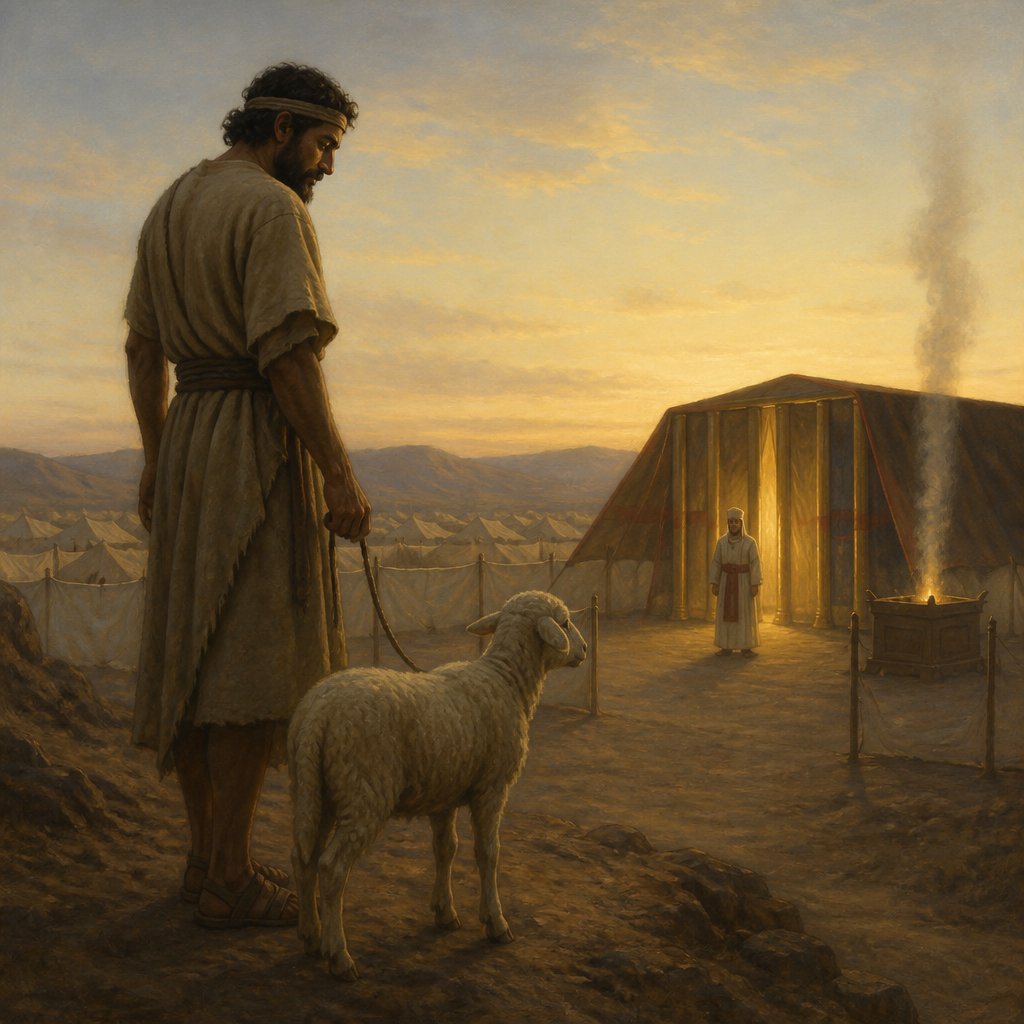
Leviticus 17:4 (KJV) states, "And bringeth it not unto the door of the tabernacle of the congregation, to offer an offering unto the LORD before the tabernacle of the LORD; blood shall be imputed unto that man; he hath shed blood; and that man shall be cut off from among his people." This potent verse invites us to reflect profoundly on the nature of sacrifice, the seriousness of approaching God, and the sacredness of His instructions.
In the context of Leviticus, the Israelites were navigating the complexities of community and worship in the wilderness, a crucial journey towards the Promised Land. God, recognizing the potential for chaos and misunderstanding, established clear and detailed guidelines for sacrificial offerings. It is here that the significance of presenting offerings at the tabernacle, which symbolized God's dwelling among His people, takes center stage.
To understand the weight of the command in Leviticus 17:4, we need to recognize the role of blood in the sacrificial system. Blood represented life; it was sacred and tied to the covenant relationship between God and His people. In this passage, when someone failed to bring offerings to the door of the tabernacle, it was not merely a breach of ritual protocol; it was a profound misstep in their relationship with God. The blood that was meant to signify atonement, forgiveness, and restoration was instead viewed as illegitimate—a disconnect from God’s ordained means of reconciliation.
The instruction to bring one's offerings specifically to the door of the tabernacle indicates that God desired not just any approach, but an approach cloaked in reverence and obedience. The tabernacle was the place where heaven met earth, where God’s presence dwelt, and where sinful humanity could find a way to reconnect with their Creator through sacrifice. Thus, not approaching the door signified a level of disrespect towards what God had commanded, resulting in the severe consequence of being cut off from one’s people.
This brings to light the nature of sin and its consequences. The Hebrew people were given a communal identity that depended on their relationship with God; therefore, failing to uphold the covenant meant losing not only individual standing but also the privilege of being part of God’s chosen people. This imperative to make proper sacrifices illustrates how vital it was for them to understand the cost of sin and the necessity of accountability within community life.
Even in our modern life, the principle manifests itself. When we examine our own approach to God, it begs the question—are we offering our lives and our worship at the door, recognizing the significance of the sacrifice of Christ, who became the ultimate offering for us? The book of Hebrews reminds us of this profound truth, affirming that while animal sacrifices were a shadow, Christ's ultimate sacrifice fulfilled what was required: complete atonement and total restoration for humanity.
Furthermore, as we navigate our relationship with God, we reflect on whether we approach Him in sincerity, in accordance with His guidance, and with the posture of humility. Our spiritual lives must not be approached casually or ritualistically; they should be imbued with understanding, reverence, and obedience to God’s Word. The seriousness of our approach can affect not just our relationship with God but our connection with fellow believers.
Let us consider how we bring our offerings to the 'door' today. Whether through prayer, worship, service, or stewardship, are we acknowledging the sacredness of what we present? When we gather as a community of believers, do we recognize the opportunity to bring our best before God? In humility, let’s examine our hearts and align our will with His, ensuring we approach the throne of grace responsibly and reverently, remembering the blood of Christ that allows us the privilege of access to Him.
In conclusion, may we not take lightly the lessons embedded within Leviticus 17:4, but may we embrace the call to offer ourselves completely at the ‘door of the tabernacle’, in worship and adoration before our Lord.
Get our apps


Artwork for Leviticus 17:4

Leviticus 17:4 - "And bringeth it not unto the door of the tabernacle of the congregation, to offer an offering unto the LORD before the tabernacle of the LORD; blood shall be imputed unto that man; he hath shed blood; and that man shall be cut off from among his people:"
"And bringeth it not unto the door of the tabernacle of the congregation, to offer an offering unto the LORD before the tabernacle of the LORD; blood shall be imputed unto that man; he hath shed blood; and that man shall be cut off from among his people:" - Leviticus 17:4

Leviticus 4:17 - "And the priest shall dip his finger in some of the blood, and sprinkle it seven times before the LORD, even before the vail."

Leviticus 17:7

Leviticus 23:17-22

Leviticus 11:17 - "And the little owl, and the cormorant, and the great owl,"

Leviticus 22:17 - "¶ And the LORD spake unto Moses, saying,"

Leviticus 17:1 - "And the LORD spake unto Moses, saying,"

"And the priest shall dip his finger in some of the blood, and sprinkle it seven times before the LORD, even before the vail." - Leviticus 4:17

Leviticus 7:17 - "But the remainder of the flesh of the sacrifice on the third day shall be burnt with fire."

Leviticus 24:17 - "¶ And he that killeth any man shall surely be put to death."

Leviticus 26: 4-6
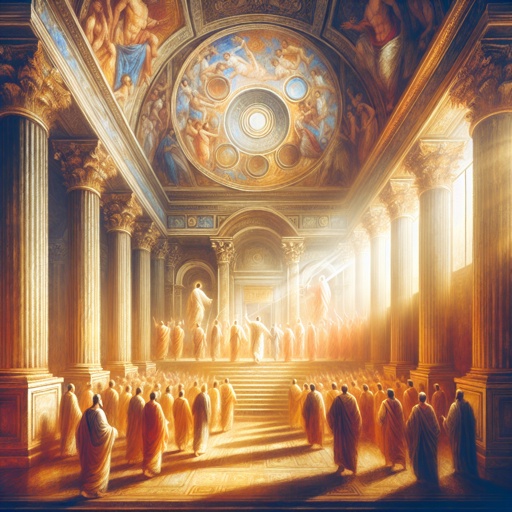
Leviticus 26: 4-6

Leviticus 26: 4-6

Leviticus 4:1 - "And the LORD spake unto Moses, saying,"

Leviticus 17:3 - "What man soever there be of the house of Israel, that killeth an ox, or lamb, or goat, in the camp, or that killeth it out of the camp,"

Leviticus 15:17 - "And every garment, and every skin, whereon is the seed of copulation, shall be washed with water, and be unclean until the even."

"¶ And the LORD spake unto Moses, saying," - Leviticus 22:17

"And the LORD spake unto Moses, saying," - Leviticus 17:1

"And the little owl, and the cormorant, and the great owl," - Leviticus 11:17

Leviticus 27:17 - "If he sanctify his field from the year of jubile, according to thy estimation it shall stand."

Leviticus 17:16 - "But if he wash them not, nor bathe his flesh; then he shall bear his iniquity."

Leviticus 27:4 - "And if it be a female, then thy estimation shall be thirty shekels."

Leviticus 9:17 - "And he brought the meat offering, and took an handful thereof, and burnt it upon the altar, beside the burnt sacrifice of the morning."

Leviticus 8:17 - "But the bullock, and his hide, his flesh, and his dung, he burnt with fire without the camp; as the LORD commanded Moses."

Leviticus 4:16 - "And the priest that is anointed shall bring of the bullock's blood to the tabernacle of the congregation:"
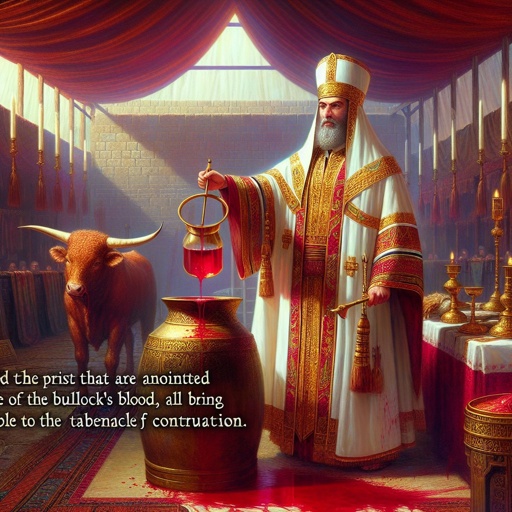
Leviticus 4:5 - "And the priest that is anointed shall take of the bullock's blood, and bring it to the tabernacle of the congregation:"

Leviticus 3:17 - "It shall be a perpetual statute for your generations throughout all your dwellings, that ye eat neither fat nor blood."

Leviticus 17:9 - "And bringeth it not unto the door of the tabernacle of the congregation, to offer it unto the LORD; even that man shall be cut off from among his people."

Leviticus 25:17 - "Ye shall not therefore oppress one another; but thou shalt fear thy God: for I am the LORD your God."