The Marks We Bear: A Devotional Reflection on Leviticus 19:28
“Ye shall not make any cuttings in your flesh for the dead, nor print any marks upon you: I am the LORD.” — Leviticus 19:28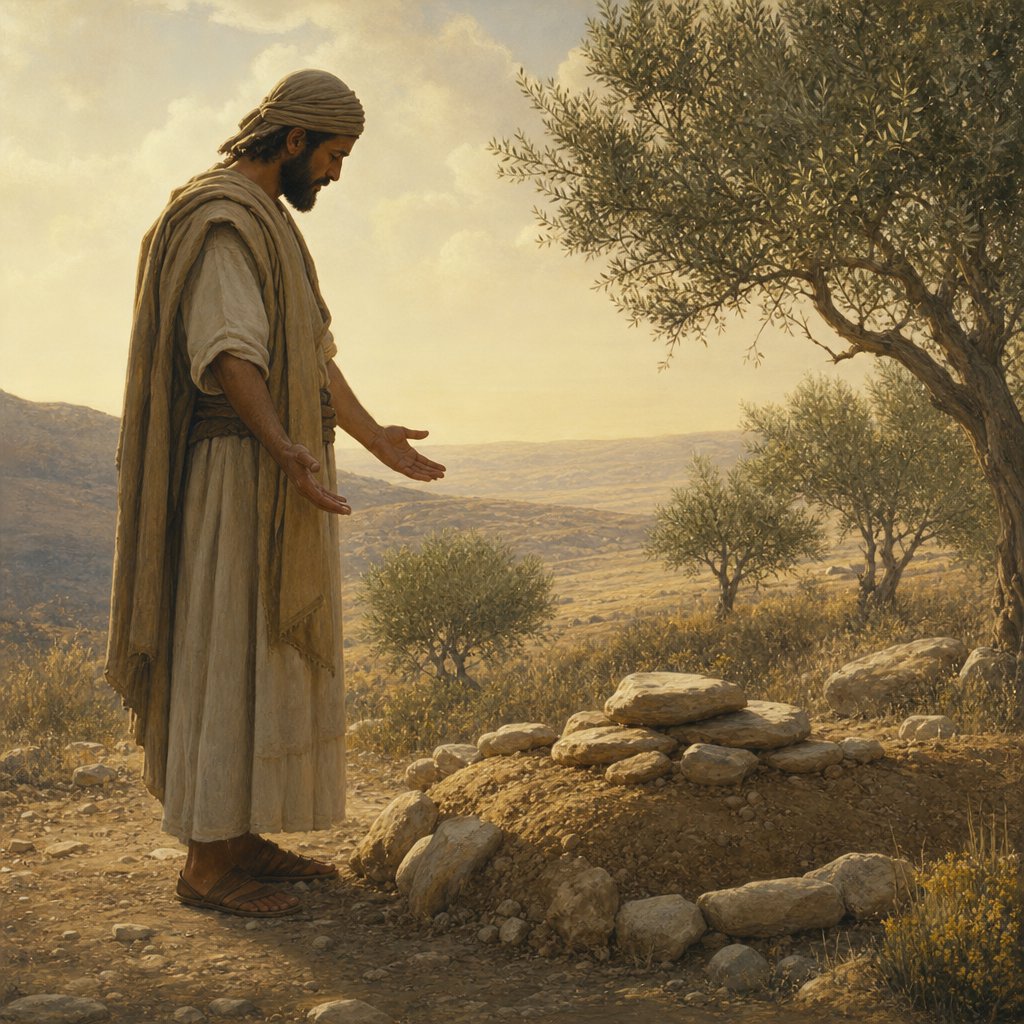
In Leviticus 19:28, we find a profound command: "Ye shall not make any cuttings in your flesh for the dead, nor print any marks upon you: I am the LORD." This scripture appears within the wider context of God’s directives to the Israelites on how to lead holy lives, distinct from the practices of the nations surrounding them. As we delve into the deeper meaning of this passage, it calls us to reflect not only on physical expressions of grief and identity but also on our spiritual journey and the marks we choose to bear in our lives.
Firstly, we must acknowledge the cultural context in which this command was given. The ancient Israelites, having escaped from Egypt, were warned against the pagan rituals prevalent among their neighbor nations. These practices often included rituals of mourning that involved self-mutilation and tattooing as a means to honor the dead or to invoke deities for favor. God, in His desire for His people to be set apart, expressed a clear intention: to honor and glorify Him in every aspect of their being, including how they express grief and identity.
What God forbids here is not merely an arbitrary rule, but rather an invitation to recognize the significance of our bodies. The body is not just a vessel; it is a creation of God, fearfully and wonderfully made (Psalm 139:14). As followers of Christ, our bodies become the temple of the Holy Spirit (1 Corinthians 6:19). Therefore, we should treat our bodies with the reverence they deserve. To mark our bodies in ways that ask the world for its approval, or in attempts to seek belonging, can stray us from our identity in Christ, which is where true belonging resides.
Moreover, the command against marks and cuttings can lead us to reflect on the emotional and spiritual marks we allow into our lives. Just as tattoos and cuts can symbolize our sadness or attempt to claim our identity, the emotional scars we bear from life experiences can equally define us. To dwell on past trauma, resentment, or grief is to create marks on our spirit that hinder our relationship with God. This command, when viewed through a spiritual lens, can guide us towards healing and wholeness in Christ rather than allowing our past to define us.
In moments of extreme loss and sorrow, it is natural to yearn for expressions of grief; however, we are reminded in Scripture that Christ has borne our griefs and carries our sorrows (Isaiah 53:4). The call here is to turn our mourning into a faith-filled response, allowing the Holy Spirit to guide us through the pain, rather than marking ourselves with despair. Instead of physical manifestations of our grief, God invites us to express our sorrow through prayer, worship, and community. In these acts, we are not only honoring the memories of those we have lost but also declaring our trust in God’s eternal plan.
Additionally, as we explore the threat of external markers defining who we are, we can find freedom in the truth of our identity in Christ. Ephesians 2:10 calls us "His workmanship, created in Christ Jesus for good works, which God prepared beforehand that we should walk in them." Here, we might ask ourselves: what marks do I choose to wear proudly? Perhaps they're marks of compassion, kindness, and love—attributes that reflect the character of Christ.
To conclude, Leviticus 19:28 serves as a timeless reminder that we are called to live a life set apart. Rather than allowing external circumstances, grief, or cultural pressures to define us, we should embrace our identity as children of the Most High God. Instead of making cuts on our flesh or adorning our bodies with marks of sorrow, let us make deep impressions on our hearts through love, faith, and a commitment to live in accordance with God’s will. Remember, we are beautifully marked by His grace and can choose to carry the marks of His love into the world.
Get our apps


Artwork for Leviticus 19:28

Leviticus 19:28 - "Ye shall not make any cuttings in your flesh for the dead, nor print any marks upon you: I am the LORD."
"Ye shall not make any cuttings in your flesh for the dead, nor print any marks upon you: I am the LORD." - Leviticus 19:28

Leviticus 7:28 - "¶ And the LORD spake unto Moses, saying,"

Ezekiel 28:11-19

Ezekiel 28:11-19

Ezekiel 28:11-19

Ezekiel 28:11-19

Ezekiel 28:11-19

Ezekiel 28:11-19

Leviticus 21:19 - "Or a man that is brokenfooted, or brokenhanded,"

matthew 28:19

Genesis 28-19

matthew 28:19

Genesis 19-28

Luke 19:28

Leviticus 6:19 - "¶ And the LORD spake unto Moses, saying,"

Leviticus 19:1 - "And the LORD spake unto Moses, saying,"

Matthew 28:19-20

Leviticus 22:28 - "And whether it be cow or ewe, ye shall not kill it and her young both in one day."

Matthew 28:19-20

Matthew 28: 19-20

Matthew 28:19-20

"¶ And the LORD spake unto Moses, saying," - Leviticus 7:28

Leviticus 11:19 - "And the stork, the heron after her kind, and the lapwing, and the bat."

Leviticus 19:7 - "And if it be eaten at all on the third day, it is abominable; it shall not be accepted."

1 Samuel 28:15-19

"Or a man that is brokenfooted, or brokenhanded," - Leviticus 21:19

Exodus 28:19 - "And the third row a ligure, an agate, and an amethyst."

Leviticus 5:19 - "It is a trespass offering: he hath certainly trespassed against the LORD."

Leviticus 19:35 - "¶ Ye shall do no unrighteousness in judgment, in meteyard, in weight, or in measure."