Sacred Offerings: Understanding Holiness in Our Lives
“And the remnant of the meat offering shall be Aaron’s and his sons’: it is a thing most holy of the offerings of the LORD made by fire.” — Leviticus 2:3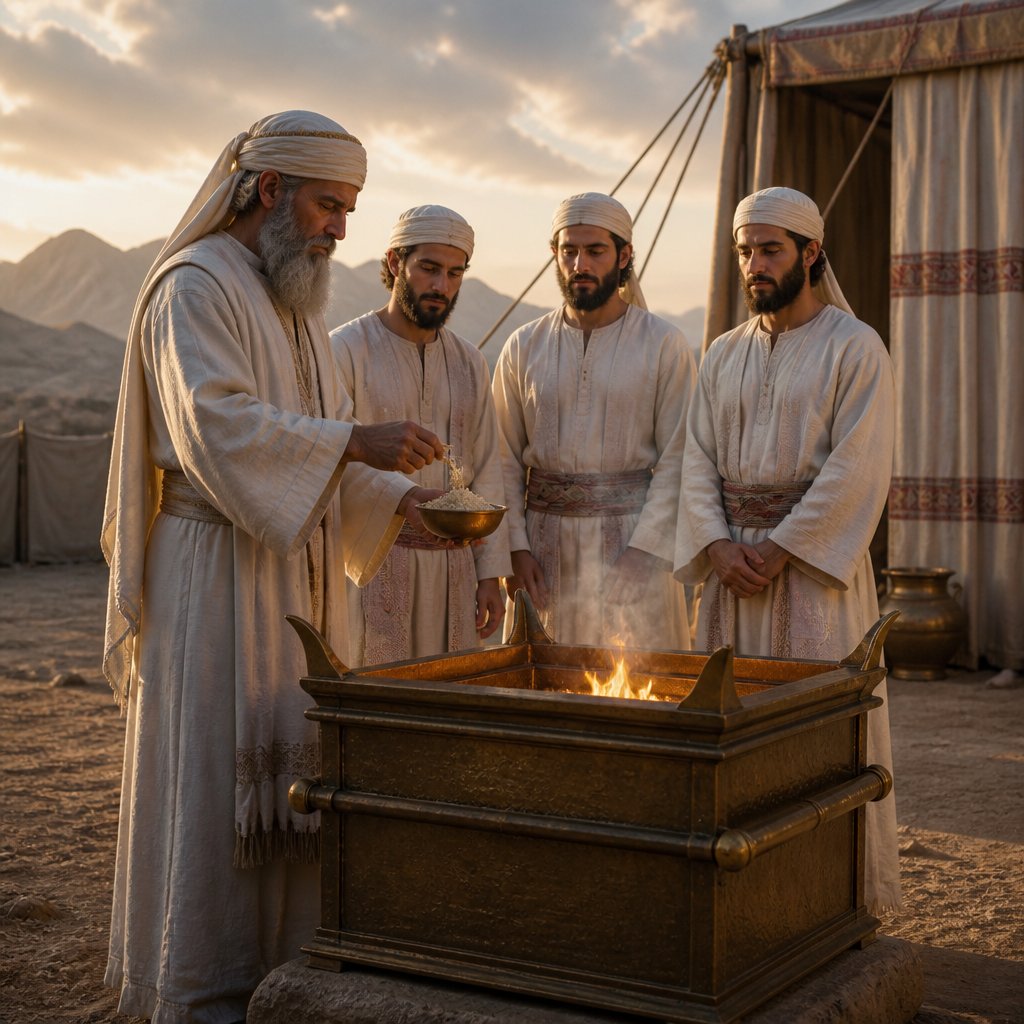
In Leviticus 2:3, the LORD proclaims, "And the remnant of the meat offering shall be Aaron's and his sons': it is a thing most holy of the offerings of the LORD made by fire." This single verse, nestled in the heart of the Old Testament, holds profound wisdom regarding our approach to holiness and offerings to God—an essential aspect that remains pertinent even in contemporary faith journeys.
The context of this passage is rich with symbolism and significance. The meat offering, known as the grain offering, served various purposes, including expressing gratitude, devotion, and reliance on God for sustenance. However, it’s crucial to understand that while the offering itself was an act of worship, it was also a glimpse into the greater spiritual truths concerning our relationship with the Creator.
When we read that the remnant of the meat offering is reserved for Aaron and his sons, significant layers of meaning unfold. The priesthood, represented by Aaron and his lineage, is directly tied to the holiness of God’s requirements. They were set apart to mediate between God and the people, handling sacred matters which required purity and a deep sense of reverent awe. God designated certain aspects of offerings to the priests, not merely as a means of sustenance but as a representation of His holiness in their lives and ministry.
To understand the weight of this teaching, let us clarify what "holy" truly means. Holiness signifies being set apart, belonging ultimately to God, devoid of imperfection and sin. In modern faith, this does not merely apply to how we conduct our activities within a church setting but permeates every aspect of our being; from our thoughts to our interactions with those around us. As believers, we are called to be a "royal priesthood" (1 Peter 2:9), which reminds us that every action and offering we present before God should reflect His holiness.
In presenting our remnant—the things we retain for ourselves or for specific purposes—we too have choices on how to honor God with what remains. Just as the priests received a portion of the offerings, we must consider how we recognize and allocate the resources in our lives, be they time, talents, or treasures. In Romans 12:1, we are urged, "I beseech you therefore, brethren, by the mercies of God, that ye present your bodies a living sacrifice, holy, acceptable unto God, which is your reasonable service." Our lives should be seen as a continuous offering of holiness.
Furthermore, we should reflect on what it means in practical terms to treat our offerings as "most holy." When we come to God, do we approach with our best? Are we giving God our first fruits, or merely what is leftover? The principle of the first fruits throughout Scripture beckons us to consider that our offerings should be the excess of gratitude rather than mere remnants of obligation. This resonates deeply when we consider what God has given us—His only Son as the ultimate sacrifice. Our gratitude for this gift becomes the catalyst for our offerings.
Moreover, the sacredness of what we offer extends to the manner in which we carry out God’s commandments in our daily lives. When we act justly, love mercy, and walk humbly with our God (Micah 6:8), we live out our holy calling in practical ways. Each interaction—whether in work, relationships, or community engagement—becomes a deliberate act of worship, enhancing our understanding of holiness.
As we meditate on Leviticus 2:3, let us foster a deeper recognition that every remnant in our lives can be consecrated to God. Just as the offerings were treated as "most holy," let us strive to see our daily acts—our service, kindness, love—as sacred to the Lord. In doing so, we embody the character of Christ and live out the calling of being His representatives on earth.
Get our apps


Artwork for Leviticus 2:3

Leviticus 2:3 - "And the remnant of the meat offering shall be Aaron's and his sons': it is a thing most holy of the offerings of the LORD made by fire."
"And the remnant of the meat offering shall be Aaron's and his sons': it is a thing most holy of the offerings of the LORD made by fire." - Leviticus 2:3

Leviticus 3:2 - "And he shall lay his hand upon the head of his offering, and kill it at the door of the tabernacle of the congregation: and Aaron's sons the priests shall sprinkle the blood upon the altar round about."

Leviticus 12:3 - "And in the eighth day the flesh of his foreskin shall be circumcised."

Leviticus 3:12 - "¶ And if his offering be a goat, then he shall offer it before the LORD."

Leviticus 8:3 - "And gather thou all the congregation together unto the door of the tabernacle of the congregation."

Leviticus 26:3 - "¶ If ye walk in my statutes, and keep my commandments, and do them;"

Leviticus 3:7 - "If he offer a lamb for his offering, then shall he offer it before the LORD."

Leviticus 7:3 - "And he shall offer of it all the fat thereof; the rump, and the fat that covereth the inwards,"

Leviticus 3:3 - "And he shall offer of the sacrifice of the peace offering an offering made by fire unto the LORD; the fat that covereth the inwards, and all the fat that is upon the inwards,"

Leviticus 3:11 - "And the priest shall burn it upon the altar: it is the food of the offering made by fire unto the LORD."

Leviticus 11:3 - "Whatsoever parteth the hoof, and is clovenfooted, and cheweth the cud, among the beasts, that shall ye eat."

Leviticus 17:3 - "What man soever there be of the house of Israel, that killeth an ox, or lamb, or goat, in the camp, or that killeth it out of the camp,"

Leviticus 16:3 - "Thus shall Aaron come into the holy place: with a young bullock for a sin offering, and a ram for a burnt offering."

Leviticus 21:3 - "And for his sister a virgin, that is nigh unto him, which hath had no husband; for her may he be defiled."

Leviticus 14:3 - "And the priest shall go forth out of the camp; and the priest shall look, and, behold, if the plague of leprosy be healed in the leper;"

Leviticus 6:3 - "Or have found that which was lost, and lieth concerning it, and sweareth falsely; in any of all these that a man doeth, sinning therein:"

Leviticus 3:4 - "And the two kidneys, and the fat that is on them, which is by the flanks, and the caul above the liver, with the kidneys, it shall he take away."

Leviticus 3:15 - "And the two kidneys, and the fat that is upon them, which is by the flanks, and the caul above the liver, with the kidneys, it shall he take away."

Leviticus 3:6 - "¶ And if his offering for a sacrifice of peace offering unto the LORD be of the flock; male or female, he shall offer it without blemish."

Leviticus 3:17 - "It shall be a perpetual statute for your generations throughout all your dwellings, that ye eat neither fat nor blood."

Leviticus 3:16 - "And the priest shall burn them upon the altar: it is the food of the offering made by fire for a sweet savour: all the fat is the LORD'S."

Leviticus 3:10 - "And the two kidneys, and the fat that is upon them, which is by the flanks, and the caul above the liver, with the kidneys, it shall he take away."

Leviticus 2:6 - "Thou shalt part it in pieces, and pour oil thereon: it is a meat offering."
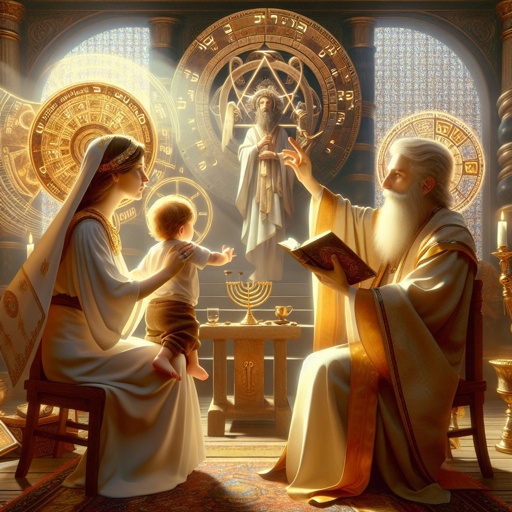
Leviticus 19:3 - "¶ Ye shall fear every man his mother, and his father, and keep my sabbaths: I am the LORD your God."

"And in the eighth day the flesh of his foreskin shall be circumcised." - Leviticus 12:3

Leviticus 10:2 - "And there went out fire from the LORD, and devoured them, and they died before the LORD."

Leviticus 25:3 - "Six years thou shalt sow thy field, and six years thou shalt prune thy vineyard, and gather in the fruit thereof;"

Leviticus 2:15 - "And thou shalt put oil upon it, and lay frankincense thereon: it is a meat offering."

"¶ And if his offering be a goat, then he shall offer it before the LORD." - Leviticus 3:12