The Weight of Holiness: Understanding Our Call as Leaders
“But he shall not defile himself, being a chief man among his people, to profane himself.” — Leviticus 21:4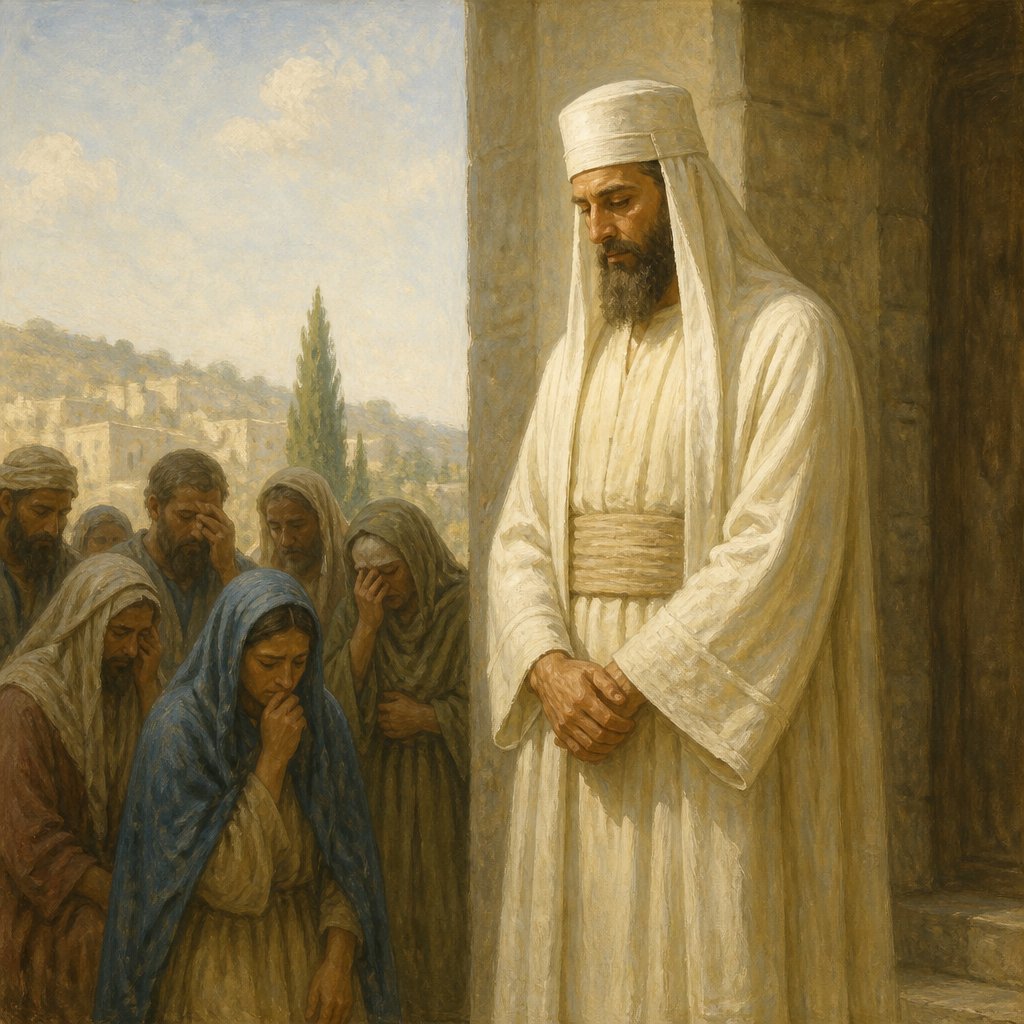
In Leviticus 21:4, we read, "But he shall not defile himself, being a chief man among his people, to profane himself." This passage speaks to the unique responsibilities that come with leadership and the deep connection between holiness and influence. Although it addresses the Levitical priests in ancient Israel, the principles it embodies remain deeply relevant for us today, especially for those in positions of authority—in our churches, families, workplaces, and communities.
To understand this verse, we must first recognize its historical context. The priests were set apart, not just by their lineage but also by their conduct. They were to embody God's holiness, serving as mediators between God and the people. Their lives were to reflect the purity and standards of God. This instruction highlights that their actions could either honor or dishonor God and that their influence as leaders had far-reaching implications for the community they served.
What does it mean not to defile oneself? The term "defile" symbolizes various forms of contamination or impurity, whether physical, spiritual, or moral. For leaders, this could manifest in numerous ways: through unethical behavior, inappropriate relationships, or compromising principles. A leader, particularly one tasked with guiding others in faith, must be vigilant about how their actions can lead to the profaning of their calling and the mission to which they are entrusted.
The importance of maintaining holiness in leadership remains a theme throughout Scripture. James 3:1 warns, "My brethren, be not many masters, knowing that we shall receive the greater condemnation." This is a sobering reminder that with authority comes immense responsibility. The impact of our decisions stretches beyond ourselves; they can shape the beliefs, practices, and spiritual lives of those who look to us for guidance. This truth underscores the vital need for personal integrity and spiritual discipline.
In practice, what does this look like? Leaders must prioritize their relationship with God. Time spent in prayer, studying the Word, and seeking God's counsel is essential. It is through these practices that leaders gain the strength and wisdom needed to lead without defilement. Reflecting on the life of Christ, we see the ultimate example of perfect leadership—His life was unblemished, characterized by love, grace, and unwavering conviction. He not only taught the truth but embodied it, thus leading by example.
Moreover, we should consider the environment we create as leaders. How do our actions, attitudes, and choices influence those around us? The way we respond to challenges, disagreements, and even personal shortcomings can either build up or tear down the morale and faith of our communities. A leader who remains steadfast and faithful to God's teachings—even in difficult times—encourages others to hold firm to their faith and to pursue righteousness in all aspects of life.
Yet, there is also grace in leadership. Recognizing that all leaders are human and subject to failure is crucial. It is not perfection that qualifies us but a heart turned toward repentance and a desire to honor God above all. When we err, admitting our mistakes and seeking forgiveness can, in fact, amplify our testimony, exhibiting the transformative power of grace and restoration.
In conclusion, Leviticus 21:4 serves as a clarion call for all of us in positions of leadership. It urges us to remain vigilant about our influence and encourages us to lead with an awareness of the profound impact our lives have on others. As we strive for holiness, let us rely on God's strength and wisdom, learning from the examples of those who have gone before us and continuously encouraging one another to walk in a manner worthy of our calling. Let us never forget: our lives echo louder than our words; in our inmost being, we are called to reflect the holy nature of God, leading others not just by our words but by the very way we live.
Get our apps


Artwork for Leviticus 21:4

Leviticus 21:4 - "But he shall not defile himself, being a chief man among his people, to profane himself."
"But he shall not defile himself, being a chief man among his people, to profane himself." - Leviticus 21:4

Leviticus 4:21 - "And he shall carry forth the bullock without the camp, and burn him as he burned the first bullock: it is a sin offering for the congregation."

Leviticus 23:21

Leviticus 23:21

Leviticus 23:21

Leviticus 23:21

Leviticus 23:21

Leviticus 23:21

Leviticus 21:19 - "Or a man that is brokenfooted, or brokenhanded,"

Leviticus 21:16 - "¶ And the LORD spake unto Moses, saying,"

Leviticus 21:13 - "And he shall take a wife in her virginity."

"Or a man that is brokenfooted, or brokenhanded," - Leviticus 21:19
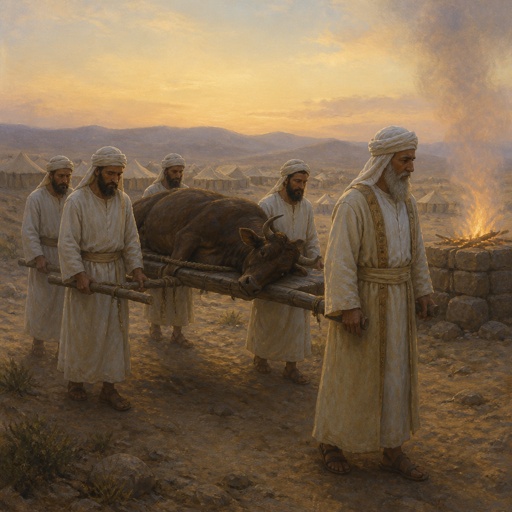
"And he shall carry forth the bullock without the camp, and burn him as he burned the first bullock: it is a sin offering for the congregation." - Leviticus 4:21

Leviticus 21:22 - "He shall eat the bread of his God, both of the most holy, and of the holy."

Leviticus 21:24 - "And Moses told it unto Aaron, and to his sons, and unto all the children of Israel."

Leviticus 26: 4-6

Leviticus 26: 4-6

Leviticus 26: 4-6

Leviticus 9:21 - "And the breasts and the right shoulder Aaron waved for a wave offering before the LORD; as Moses commanded."

Leviticus 21:20 - "Or crookbackt, or a dwarf, or that hath a blemish in his eye, or be scurvy, or scabbed, or hath his stones broken;"

Leviticus 4:1 - "And the LORD spake unto Moses, saying,"
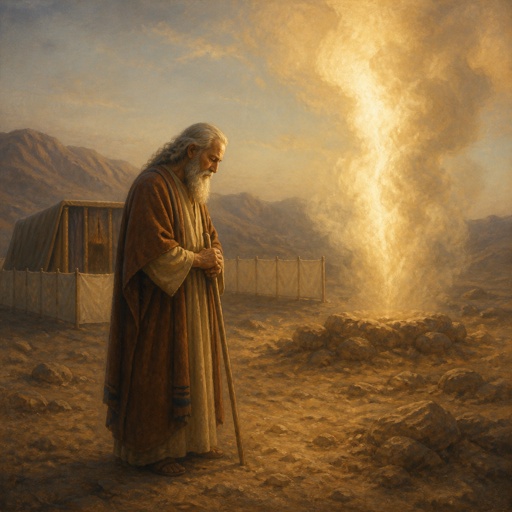
"¶ And the LORD spake unto Moses, saying," - Leviticus 21:16

Leviticus 24:21 - "And he that killeth a beast, he shall restore it: and he that killeth a man, he shall be put to death."

Leviticus 21:21 - "No man that hath a blemish of the seed of Aaron the priest shall come nigh to offer the offerings of the LORD made by fire: he hath a blemish; he shall not come nigh to offer the bread of his God."

Leviticus 27:4 - "And if it be a female, then thy estimation shall be thirty shekels."

Leviticus 25:21 - "Then I will command my blessing upon you in the sixth year, and it shall bring forth fruit for three years."

Leviticus 21:15 - "Neither shall he profane his seed among his people: for I the LORD do sanctify him."

Leviticus 21:3 - "And for his sister a virgin, that is nigh unto him, which hath had no husband; for her may he be defiled."

Leviticus 15:21 - "And whosoever toucheth her bed shall wash his clothes, and bathe himself in water, and be unclean until the even."