Sacred Identity: Honoring God Through Our Appearance
“They shall not make baldness upon their head, neither shall they shave off the corner of their beard, nor make any cuttings in their flesh.” — Leviticus 21:5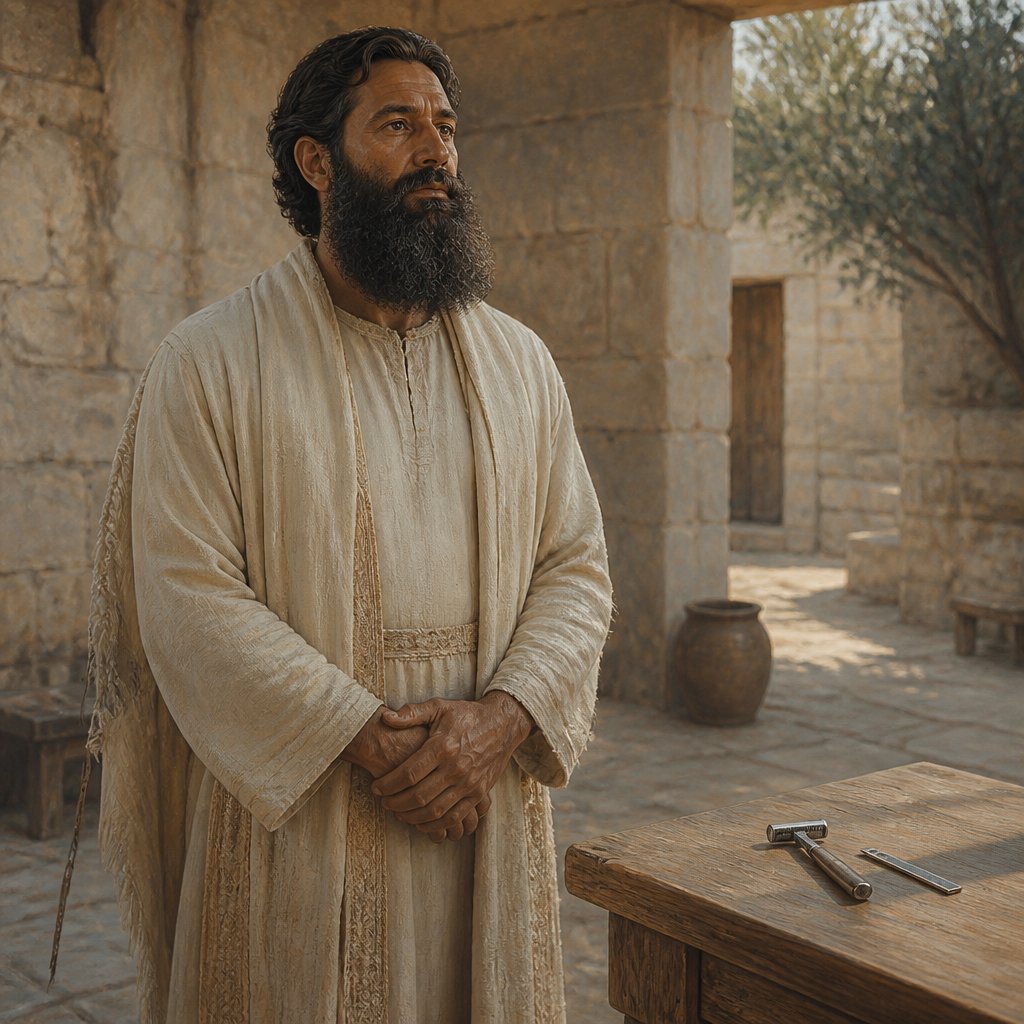
Leviticus 21:5 states, "They shall not make baldness upon their head, neither shall they shave off the corner of their beard, nor make any cuttings in their flesh." At first glance, this verse may seem to be an outdated regulation meant only for the Old Testament priests. However, a deeper understanding reveals profound spiritual implications and insights for believers today.
The background of Leviticus is set within the context of the Mosaic Law, which was given to the Israelites as they journeyed through the wilderness. God was laying out clear instructions for His people, focusing on holiness and the importance of distinctiveness that set them apart from surrounding nations. These laws were not arbitrary; they were indicative of the covenant relationship between God and His people, thus signifying deeper truths rather than merely physical appearances.
In the cultural context of ancient Israel, the regulations concerning appearance were significant. The prohibition against baldness and shaving corners of the beard is rooted in the practices of pagan worship, particularly among the Canaanite cultures. These acts were often associated with mourning rituals or could symbolize devotion to false gods. By forbidding such actions, God was protecting His people from adopting the customs of those who did not worship Him, reminding them of their identity in Him. This was a call to live differently — to resist assimilation into a culture that did not honor their Creator.
As modern-day believers, we are also called to live distinctly. Our lives should reflect our commitment to God, not just through our words but also through our actions and appearances. While the specific command of not cutting the hair or beard may not apply to us today literally, the underlying principle holds relevance: we are to honor and reflect God's glory in all aspects of our lives. This calls us to examine our own lives — our thoughts, behavior, and even how we present ourselves to the world. How do our choices reflect our relationship with God?
When we understand that God desires for us to distinguish ourselves in our character, we recognize that it's about more than our outward appearance; it encapsulates our entire identity. Our identity in Christ is rooted in being a child of God, redeemed and set apart. We reflect His image through our kindness, generosity, and integrity. This larger picture allows us to appreciate how God desires His people to be holy, which means being set apart for His purpose.
Moreover, we can relate to this idea of outward expressions when we consider how much of contemporary culture emphasizes personal branding and image. The fashion industry, social media, and societal pressures often sway us towards seeking validation through our external appearance rather than our internal walk with Christ. The core of Leviticus 21:5 reminds us that, while we are free in Christ, there is a call to intentionally reflect our faith in our living — not bound by law, but motivated by love.
In practical terms, this means being conscious of how we carry ourselves and the messages we send through our choices. It is essential to embrace a lifestyle that boldly proclaims our faith, drawing lines between what is honoring to God and what mirrors the world. Just as the Israelites were reminded that their identity was intertwined with their appearance, so too are we invited to consider how our spiritual identity influences our physical witness.
As we ponder the implications of Leviticus 21:5, let us find refuge in the truth that God does not look merely at the outward adornment but delights in a heart that longs to honor Him. May we strive to embody a lifestyle that mirrors our faith, recognizing that our identity in Christ shapes every part of who we are, inside and out.
Get our apps


Artwork for Leviticus 21:5

Leviticus 21:5 - "They shall not make baldness upon their head, neither shall they shave off the corner of their beard, nor make any cuttings in their flesh."
"They shall not make baldness upon their head, neither shall they shave off the corner of their beard, nor make any cuttings in their flesh." - Leviticus 21:5

Leviticus 23:21

Leviticus 23:21

Leviticus 23:21

Leviticus 23:21

Leviticus 23:21

Leviticus 23:21

Leviticus 21:19 - "Or a man that is brokenfooted, or brokenhanded,"

Leviticus 21:16 - "¶ And the LORD spake unto Moses, saying,"

Leviticus 21:13 - "And he shall take a wife in her virginity."

"Or a man that is brokenfooted, or brokenhanded," - Leviticus 21:19

Leviticus 21:22 - "He shall eat the bread of his God, both of the most holy, and of the holy."

Leviticus 21:24 - "And Moses told it unto Aaron, and to his sons, and unto all the children of Israel."
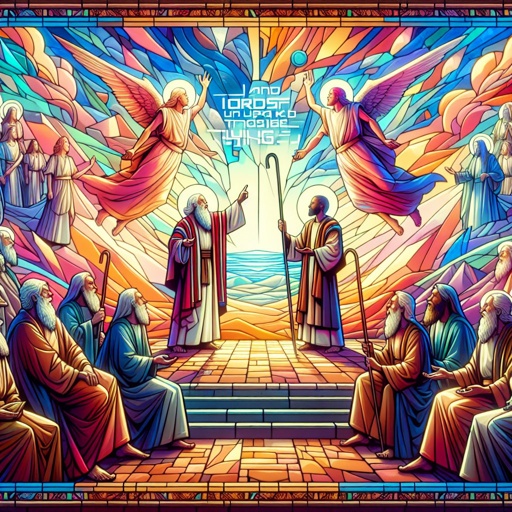
Leviticus 5:14 - "¶ And the LORD spake unto Moses, saying,"

Leviticus 9:21 - "And the breasts and the right shoulder Aaron waved for a wave offering before the LORD; as Moses commanded."

Leviticus 5:5 - "And it shall be, when he shall be guilty in one of these things, that he shall confess that he hath sinned in that thing:"

Leviticus 21:4 - "But he shall not defile himself, being a chief man among his people, to profane himself."

Leviticus 21:20 - "Or crookbackt, or a dwarf, or that hath a blemish in his eye, or be scurvy, or scabbed, or hath his stones broken;"
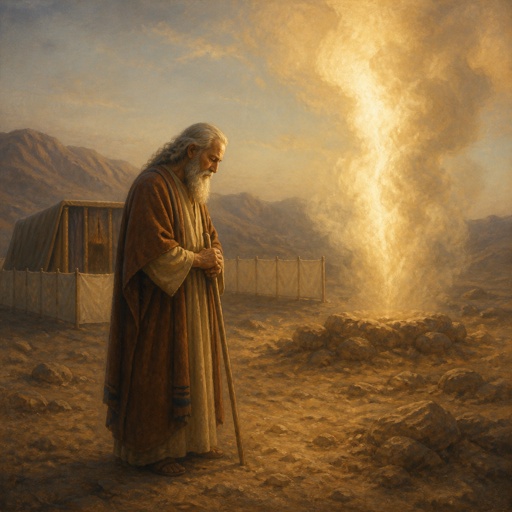
"¶ And the LORD spake unto Moses, saying," - Leviticus 21:16

Leviticus 23:5 - "In the fourteenth day of the first month at even is the LORD'S passover."

Isaiah 5:21

Isaiah 5:21

Leviticus 24:21 - "And he that killeth a beast, he shall restore it: and he that killeth a man, he shall be put to death."

Leviticus 21:21 - "No man that hath a blemish of the seed of Aaron the priest shall come nigh to offer the offerings of the LORD made by fire: he hath a blemish; he shall not come nigh to offer the bread of his God."

Leviticus 5:19 - "It is a trespass offering: he hath certainly trespassed against the LORD."

Leviticus 25:21 - "Then I will command my blessing upon you in the sixth year, and it shall bring forth fruit for three years."

Leviticus 21:15 - "Neither shall he profane his seed among his people: for I the LORD do sanctify him."

Leviticus 21:3 - "And for his sister a virgin, that is nigh unto him, which hath had no husband; for her may he be defiled."

Leviticus 15:21 - "And whosoever toucheth her bed shall wash his clothes, and bathe himself in water, and be unclean until the even."