Finding Beauty in Brokenness: A Devotional Reflection on Leviticus 21:20
“Or crookbackt, or a dwarf, or that hath a blemish in his eye, or be scurvy, or scabbed, or hath his stones broken;” — Leviticus 21:20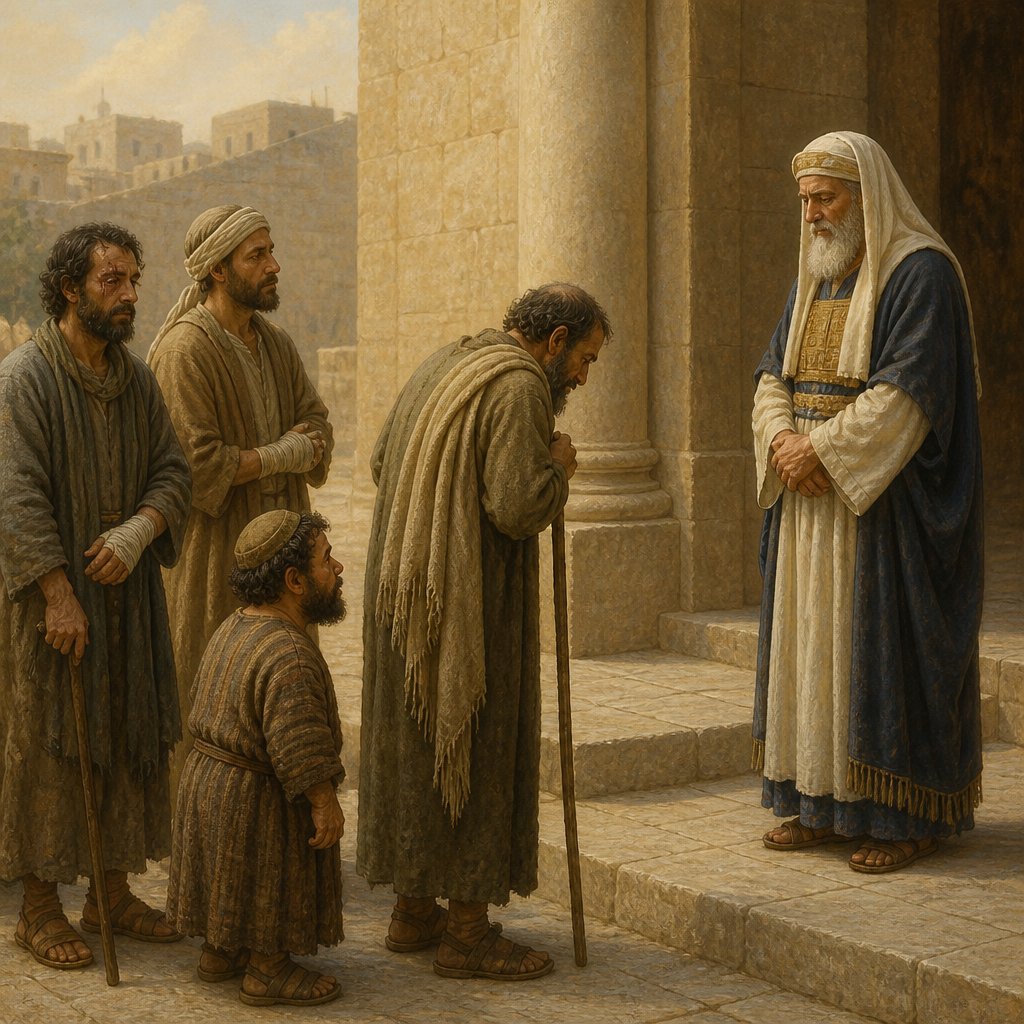
As we delve into Leviticus 21:20, the scripture presents a vivid description of whom the priesthood could exclude based on physical imperfections: "Or crookbackt, or a dwarf, or that hath a blemish in his eye, or be scurvy, or scabbed, or hath his stones broken." At first glance, this verse may seem harsh and devoid of compassion, drawing lines of exclusion for those with visible discrepancies, yet beneath this seemingly austere command lies a profound call to reflect on God's perspective of humanity.
During the time Leviticus was written, the role of the priest was held in high esteem. The priests represented God to the people and were expected to be unblemished, both physically and in character, as they performed sacred duties. This passage highlights the necessity for purity and wholeness in those who serve in such a vital role. However, it is essential to understand the deeper narrative that unfolds within the confines of these ancient guidelines. The stringent qualifications outlined serve a purpose—one of symbolic representation and foreshadowing of a future where true righteousness is not confined to the physical but transcends into the spiritual.
When one considers the phrase 'blemishes,' it beckons a broader reflection on imperfections and brokenness. Just as the priests were expected to embody holiness and completeness, we, too, live in a world where physical appearances and personal flaws often dictate acceptance. This verse can challenge us to examine our own attitudes towards those we might consider 'imperfect' or 'blemished.' It urges us to ask ourselves—what does it mean to truly see someone through the eyes of God?
As we reflect on our lives in light of this scripture, we are reminded that God's approach differs vastly from worldly perceptions. In 1 Samuel 16:7, the Lord states, "For man looketh on the outward appearance, but the Lord looketh on the heart." This offers us a beautiful contrast: while the legalistic demands of Leviticus emphasized external conformity, God's evaluation digs deeper, searching the inner chambers of our hearts. God's character embodies grace, mercy, and an ardent desire for wholeness in our relational dynamics. He seeks a heart pointed towards Him above all external attributes.
Consider the countless stories of those in the Bible whom society deemed 'blemished' yet were called by God to extraordinary purposes. Moses had a speech impediment; David was a mere shepherd boy; Rahab was a Canaanite harlot, and Paul, once a persecutor of Christians, became one of the most impactful apostles. Their stories echo throughout scripture as powerful reminders that the Kingdom of God embraces the weak and the broken. It is precisely in our imperfections that God's strength shines through the most.
Moreover, we see Christ's ministry beautifully illustrates this truth. He associated with the outcasts and the marginalized—the lepers, the paralyzed, and the sinner—unveiling a radical inclusivity that redefined the notion of holiness. He recognized that brokenness is part of our human experience and that His transformative love is available for everyone, regardless of their past or present circumstances.
As we ponder Leviticus 21:20, let us engage in the practice of looking beyond the surface. May we offer a grace that reflects God's disposition toward humanity, one that acknowledges and embraces imperfections without stigmatizing them. And in doing this, let us remember that our worth, like that of the priests, is not determined by the earthly blemishes we bear but by the divine love that calls us to serve and love others with humility and compassion.
In prayer, let us ask God to open our eyes to see as He sees, to embrace our brokenness, and to extend His grace to those we encounter, thereby embodying the true heart of the Father. Amen.
Get our apps


Artwork for Leviticus 21:20

Leviticus 21:20 - "Or crookbackt, or a dwarf, or that hath a blemish in his eye, or be scurvy, or scabbed, or hath his stones broken;"
"Or crookbackt, or a dwarf, or that hath a blemish in his eye, or be scurvy, or scabbed, or hath his stones broken;" - Leviticus 21:20

Leviticus 20:21 - "And if a man shall take his brother's wife, it is an unclean thing: he hath uncovered his brother's nakedness; they shall be childless."

Leviticus 23:20

Leviticus 23:21

Leviticus 23:21

Leviticus 23:21

Leviticus 23:21

Leviticus 23:21

Leviticus 23:21

Leviticus 21:19 - "Or a man that is brokenfooted, or brokenhanded,"

Leviticus 24:20-23
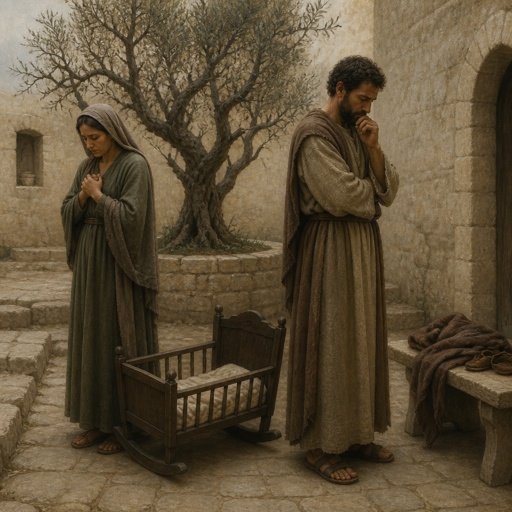
"And if a man shall take his brother's wife, it is an unclean thing: he hath uncovered his brother's nakedness; they shall be childless." - Leviticus 20:21

Leviticus 20:1 - "And the LORD spake unto Moses, saying,"

Leviticus 10:20 - "And when Moses heard that, he was content."

Leviticus 21:16 - "¶ And the LORD spake unto Moses, saying,"

Leviticus 21:13 - "And he shall take a wife in her virginity."

Luke 13:20-21

Luke 13:20-21
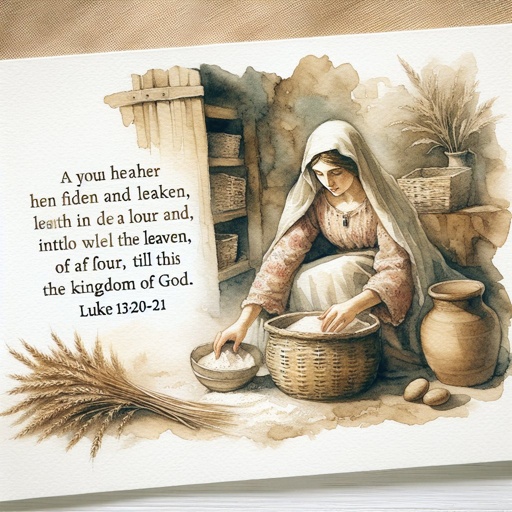
Luke 13:20-21

Leviticus 20:22-26 simple picture

Picture to summarize Leviticus 20:22-26

Luke 13:20-21

Luke 13:20-21

"Or a man that is brokenfooted, or brokenhanded," - Leviticus 21:19

Genesis 21-20

John 20:21

Leviticus 20:20 - "And if a man shall lie with his uncle's wife, he hath uncovered his uncle's nakedness: they shall bear their sin; they shall die childless."

Leviticus 9:20 - "And they put the fat upon the breasts, and he burnt the fat upon the altar:"

Leviticus 8:20 - "And he cut the ram into pieces; and Moses burnt the head, and the pieces, and the fat."