What does Leviticus 21:20 mean?
“Or crookbackt, or a dwarf, or that hath a blemish in his eye, or be scurvy, or scabbed, or hath his stones broken;” — Leviticus 21:20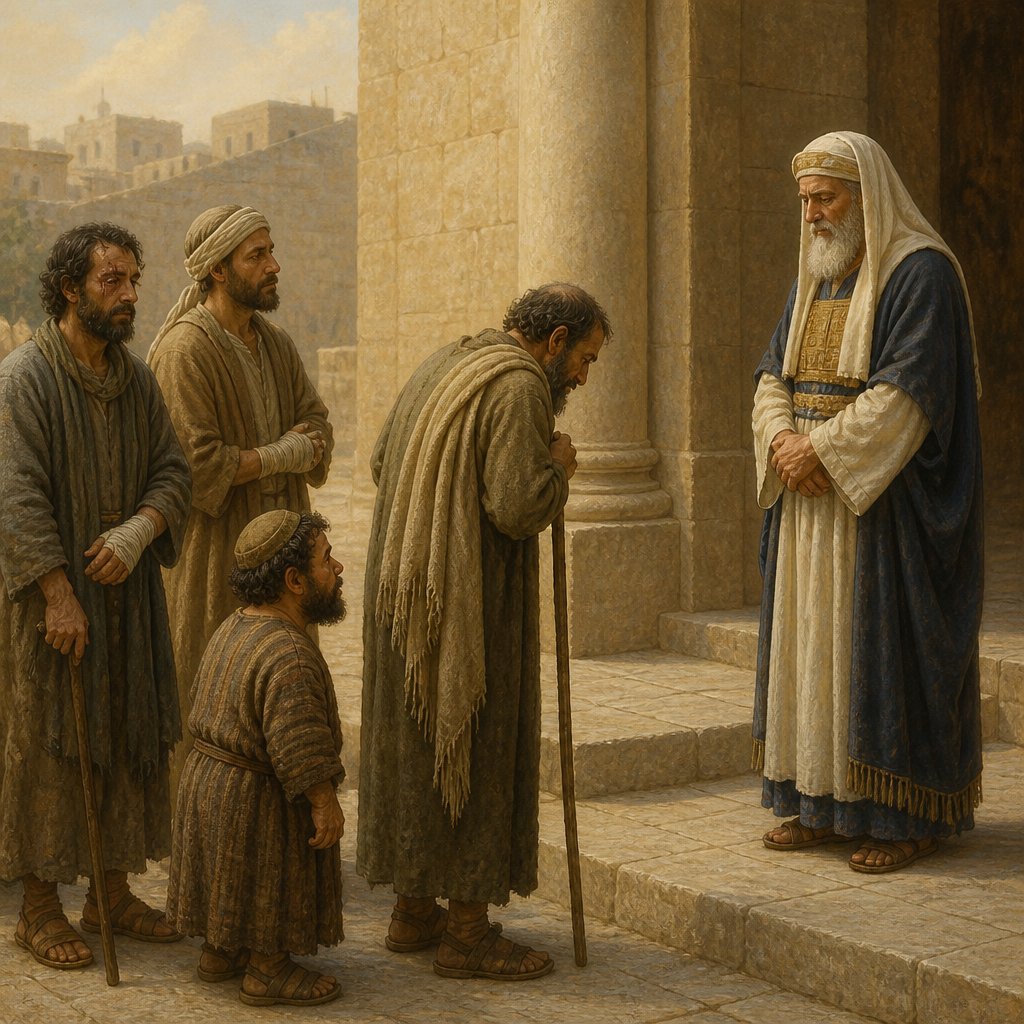
Leviticus 21:20 (KJV) states: "Or crookbackt, or a dwarf, or that hath a blemish in his eye, or be scurvy, or scabbed, or hath his stones broken;"
This verse is found within the book of Leviticus, which is the third book of the Hebrew Bible and the Old Testament. It is a book filled with laws and regulations given to the Israelites by God, as spoken through Moses. The overarching theme of Leviticus is holiness, and the book details the ways in which the Israelites are to lead holy and righteous lives in accordance with God's commands.
In Leviticus 21, the focus is on the holiness of the priests who serve in the tabernacle and offer sacrifices to God on behalf of the people. The chapter outlines the physical requirements for the priests, stating that they are not to defile themselves through various means, including contact with the dead, marrying a prostitute, or having physical abnormalities. Leviticus 21:20 specifically addresses the physical blemishes or defects that disqualify a man from serving as a priest.
The verse lists several physical conditions that would prevent a man from serving as a priest: being hunchbacked, being a dwarf, having a blemish in his eye, being scurvy or scabbed, or having his testicles crushed. These conditions were considered to be physical defects that made a man "unclean" and therefore unfit to serve as a priest in the tabernacle.
It is important to note that these rules were specific to the priesthood in ancient Israel and do not carry the same weight or significance in modern Christianity. The laws and regulations outlined in Leviticus were part of the covenant between God and the Israelites, and they were intended to set the Israelites apart as a holy and distinct people.
From a theological standpoint, the regulations regarding physical blemishes and defects in Leviticus 21 serve as a metaphor for the concept of holiness and purity. The physical imperfections mentioned in the verse symbolize the idea of moral and spiritual wholeness. Just as the priests were required to be physically unblemished in order to serve in the tabernacle, so too were the Israelites called to strive for moral uprightness and spiritual purity in their lives.
The verse also highlights the themes of exclusion and inclusion within the religious community. By setting specific physical standards for the priesthood, the Israelites were establishing boundaries around who could and could not serve in that capacity. This emphasis on physical perfection may have served to reinforce the idea of God's holiness and the need for purity in worship and sacrifice.
In addition, the verse raises important ethical and moral questions about how individuals with physical disabilities were treated in ancient Israelite society. It is worth noting that the book of Leviticus was written in a cultural and historical context that placed great importance on physical purity and perfection. However, in modern interpretations of scripture, Christians view all individuals as equal in the eyes of God, regardless of physical ability or appearance.
Overall, Leviticus 21:20 presents a complex set of theological, ethical, and cultural issues. It provides insight into the ancient Israelite understanding of holiness and purity, while also challenging contemporary readers to consider the inclusivity and compassion of God's love for all people, regardless of physical condition.
Get our apps


Artwork for Leviticus 21:20

Leviticus 21:20 - "Or crookbackt, or a dwarf, or that hath a blemish in his eye, or be scurvy, or scabbed, or hath his stones broken;"
"Or crookbackt, or a dwarf, or that hath a blemish in his eye, or be scurvy, or scabbed, or hath his stones broken;" - Leviticus 21:20

Leviticus 20:21 - "And if a man shall take his brother's wife, it is an unclean thing: he hath uncovered his brother's nakedness; they shall be childless."

Leviticus 23:20

Leviticus 23:21

Leviticus 23:21

Leviticus 23:21

Leviticus 23:21

Leviticus 23:21

Leviticus 23:21

Leviticus 21:19 - "Or a man that is brokenfooted, or brokenhanded,"

Leviticus 24:20-23
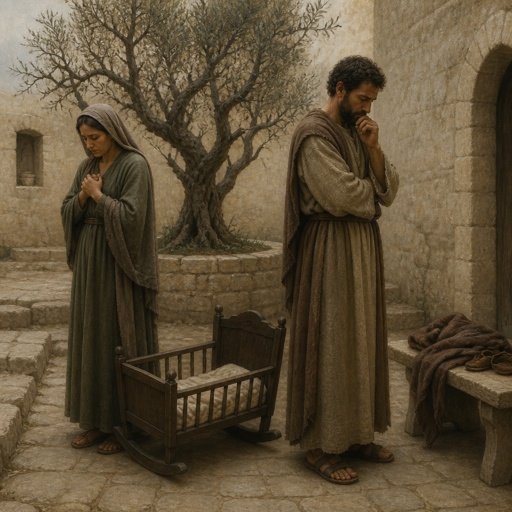
"And if a man shall take his brother's wife, it is an unclean thing: he hath uncovered his brother's nakedness; they shall be childless." - Leviticus 20:21

Leviticus 20:1 - "And the LORD spake unto Moses, saying,"

Leviticus 10:20 - "And when Moses heard that, he was content."

Leviticus 21:16 - "¶ And the LORD spake unto Moses, saying,"

Leviticus 21:13 - "And he shall take a wife in her virginity."

Luke 13:20-21

Luke 13:20-21
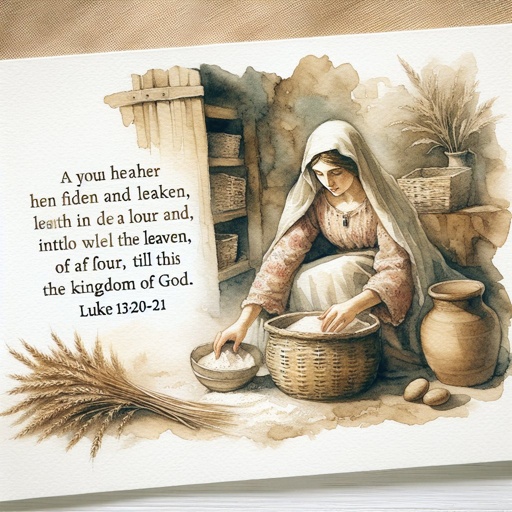
Luke 13:20-21

Leviticus 20:22-26 simple picture

Picture to summarize Leviticus 20:22-26

Luke 13:20-21

Luke 13:20-21

"Or a man that is brokenfooted, or brokenhanded," - Leviticus 21:19

Genesis 21-20

John 20:21

Leviticus 20:20 - "And if a man shall lie with his uncle's wife, he hath uncovered his uncle's nakedness: they shall bear their sin; they shall die childless."

Leviticus 9:20 - "And they put the fat upon the breasts, and he burnt the fat upon the altar:"

Leviticus 8:20 - "And he cut the ram into pieces; and Moses burnt the head, and the pieces, and the fat."