The Significance of the Passover: A Sacred Remembrance
“In the fourteenth day of the first month at even is the LORD’s passover.” — Leviticus 23:5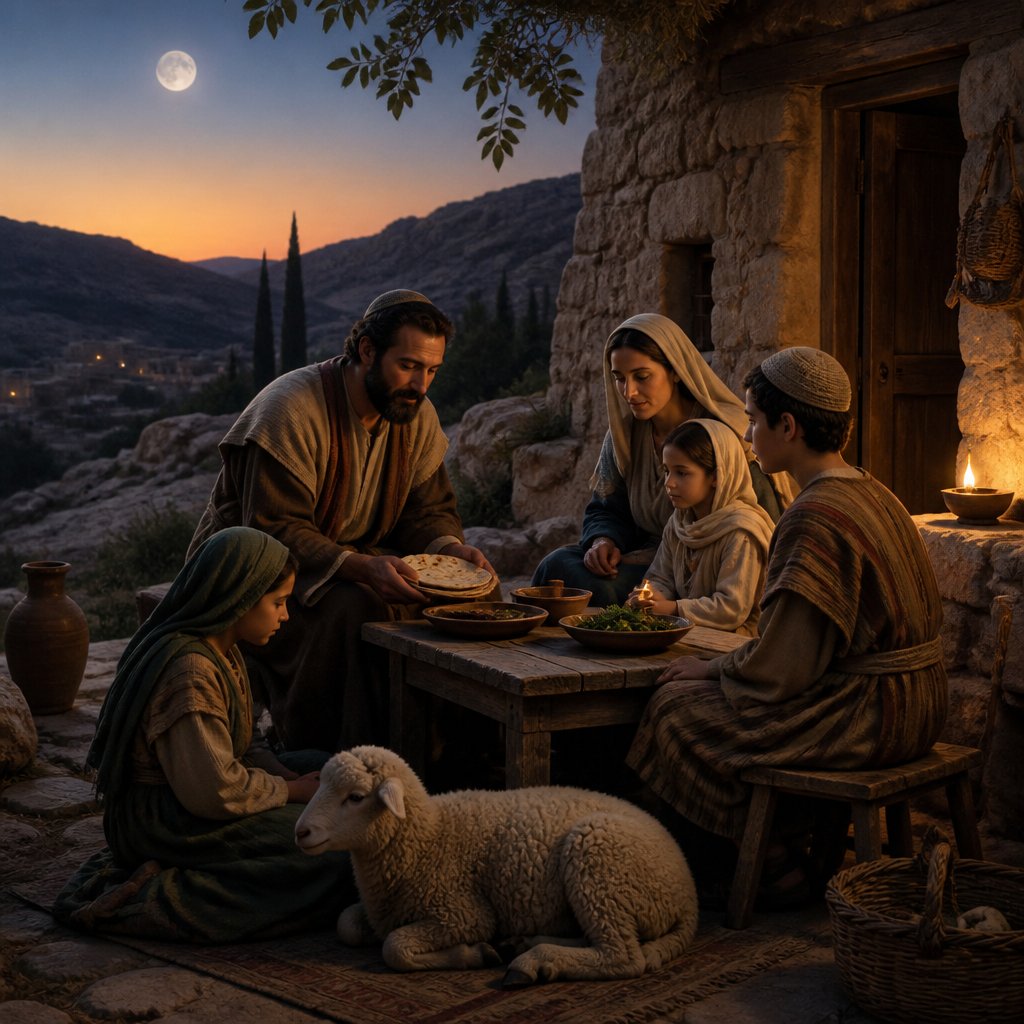
As we delve into the depths of Leviticus 23:5, we are introduced to a profound milestone in the sacred calendar of Israel: "In the fourteenth day of the first month at even is the LORD'S passover." This simple yet powerful declaration carries with it rich theological significance and historical importance, reminding us of God’s deliverance and grace.
The Passover, as established in Leviticus, calls us to pause and reflect on God's faithfulness. The directive to celebrate on the fourteenth day of the first month, at even, is not mere ritual; it holds profound theological implications that reach beyond the ancient Israelites. We see in this instruction a foreshadowing of the ultimate deliverance offered through Jesus Christ, the Lamb of God. Just as the Israelites prepared to leave Egypt, burdened by slavery, we too are invited to leave our burdens at the foot of the cross.
Historically, the Passover commemorates the night when the Israelites were spared from the angel of death, who passed over their homes marked by the blood of the lamb. This blood signifies life, protection, and God’s justice. For the Jewish people, this remembrance was a call to acknowledge their deliverance and a celebration of their identity as God’s chosen people. It serves as a reminder of their trajectory from bondage to freedom, and it instills within them a sense of gratitude towards their Deliverer.
In our contemporary Christian faith, observing the Passover—or recognizing its significance—invites us to engage in a heavenly narrative that transcends time. The Passover lamb serves as a powerful metaphor for Christ's sacrificial death. John the Baptist declared, "Behold the Lamb of God, which taketh away the sin of the world" (John 1:29, KJV). Just as the lamb’s blood saved the Israelites from death, the blood of Christ saves us from eternal separation from God. This understanding deepens our appreciation for what it means to be in covenant with God.
Moreover, celebrating the Passover prompts us to consider our own spiritual journeys. Have we marked our hearts with the blood of the Lamb? Are we living in the freedom that Christ has secured for us, or are we still entangled in the shackles of sin?
As we explore the theme of remembrance, we can see parallels in Paul’s exhortation to the Corinthians: "For as often as ye eat this bread, and drink this cup, ye do shew the Lord's death till he come" (1 Corinthians 11:26, KJV). The act of communion, much like the Passover, is an invitation for us to remember and declare the significance of the sacrifice of Christ. In every gathering around the Lord’s table, Christians echo the ancient command to remember what God has done—which is ultimately rooted in the Passover.
As we reflect upon Leviticus 23:5, it is essential to recognize the rhythm of God’s narrative. God commands His people to observe these significant moments as a way to embed memory into identity. For us, it serves as a reminder of our future hope—an anticipation of the day when Christ will return to gather His people. The final Passover will be celebrated in glory, as revealed in Revelation 19:9 (KJV): "Blessed are they which are called unto the marriage supper of the Lamb."
So let us not overlook the importance of asking how we are participating in the Passover of our lives today. Are we attentive to the sacrificial love of Christ that invites us into a deeper relationship with our Creator? Are we living as freed people whose lives reflect gratitude, worship, and a commitment to love others as Christ has loved us?
This Passover season, let us hold fast the truth that "in the fourteenth day of the first month at even is the LORD'S passover" not just as a historical marker, but as the foundation of our faith—reminding us that we are redeemed, loved, and called to share that love with an aching world.
Get our apps


Artwork for Leviticus 23:5

Leviticus 23:5 - "In the fourteenth day of the first month at even is the LORD'S passover."
"In the fourteenth day of the first month at even is the LORD'S passover." - Leviticus 23:5

Leviticus 23:23 - "¶ And the LORD spake unto Moses, saying,"

Leviticus 23:21

Leviticus 23:21

Leviticus 23:21

Leviticus 23:21

Leviticus 23:21

Leviticus 23:20

Leviticus 23:21

Leviticus 23:15-22

Leviticus 23:17-22

Leviticus 24:20-23

"¶ And the LORD spake unto Moses, saying," - Leviticus 23:23

Leviticus 23:26 - "¶ And the LORD spake unto Moses, saying,"

Leviticus 23:1 - "And the LORD spake unto Moses, saying,"

Leviticus 23:33 - "¶ And the LORD spake unto Moses, saying,"
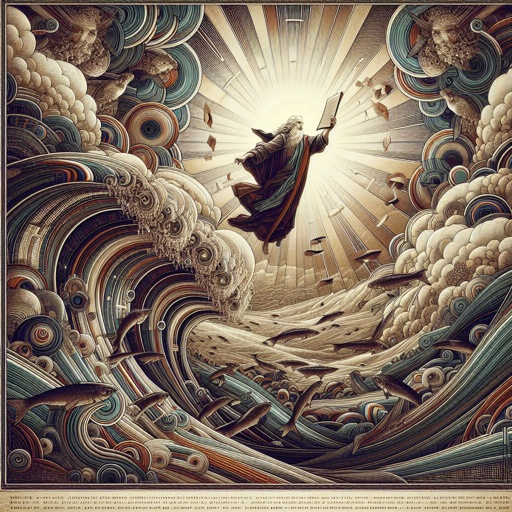
Leviticus 23:9 - "¶ And the LORD spake unto Moses, saying,"

Leviticus 23:44 - "And Moses declared unto the children of Israel the feasts of the LORD."

Leviticus 26:23 - "And if ye will not be reformed by me by these things, but will walk contrary unto me;"

the jewish holidays mentioned in leviticus 23:1 until 23:40 combined in one picture,

Leviticus 6:23 - "For every meat offering for the priest shall be wholly burnt: it shall not be eaten."

Leviticus 25:23 - "¶ The land shall not be sold for ever: for the land is mine; for ye are strangers and sojourners with me."

Leviticus 23:4 - "¶ These are the feasts of the LORD, even holy convocations, which ye shall proclaim in their seasons."

Leviticus 23:35 - "On the first day shall be an holy convocation: ye shall do no servile work therein."
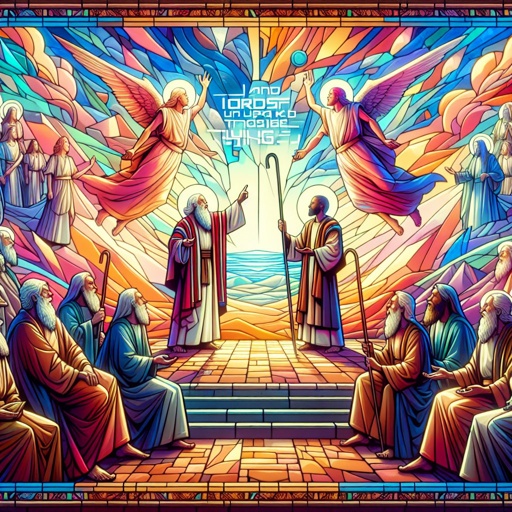
Leviticus 5:14 - "¶ And the LORD spake unto Moses, saying,"

the jewish holidays mentioned in leviticus 23:1 until 23:40 combined in one picture, with hebrew names in hebrew charactes

Leviticus 23:42 - "Ye shall dwell in booths seven days; all that are Israelites born shall dwell in booths:"

"¶ And the LORD spake unto Moses, saying," - Leviticus 23:9

"¶ And the LORD spake unto Moses, saying," - Leviticus 23:33