The Spiritual Significance of Unleavened Bread
“And on the fifteenth day of the same month is the feast of unleavened bread unto the LORD: seven days ye must eat unleavened bread.” — Leviticus 23:6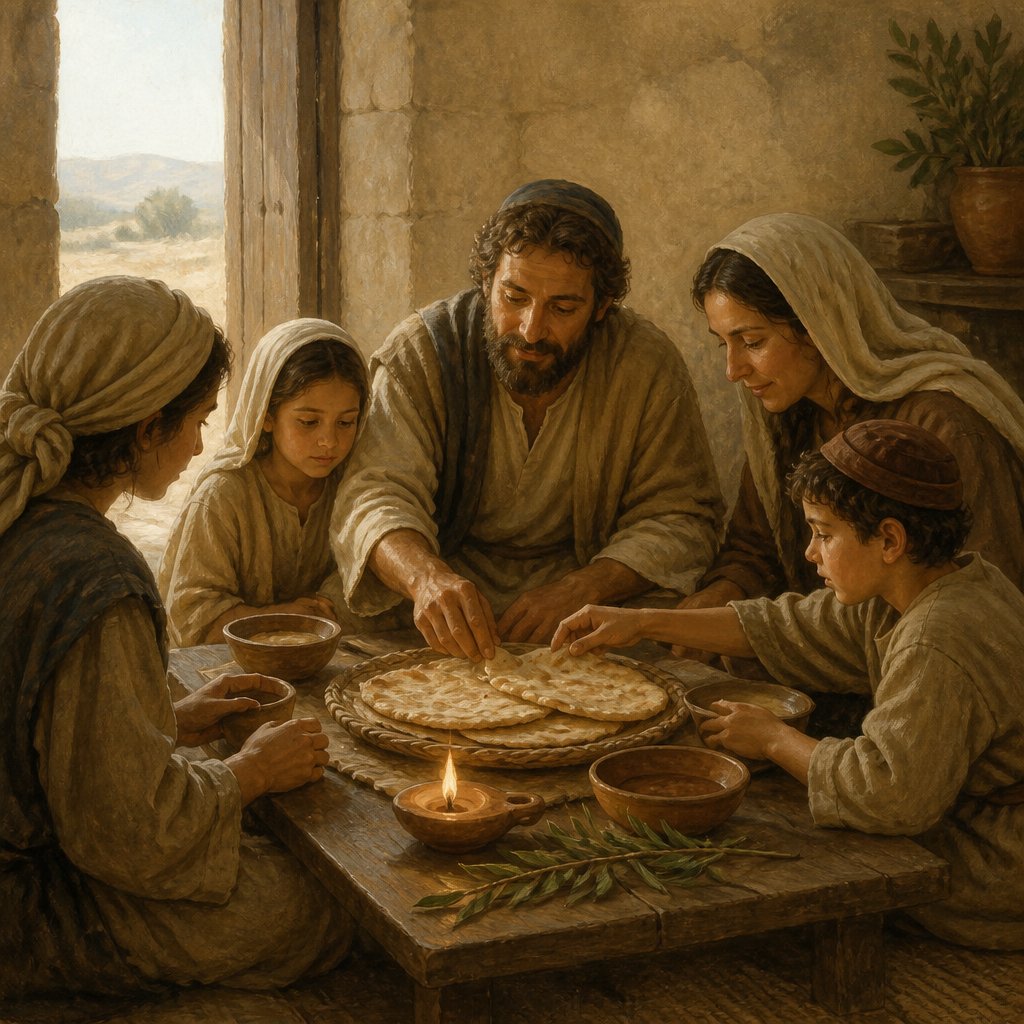
### The Spiritual Significance of Unleavened Bread
Leviticus 23:6 declares, "And on the fifteenth day of the same month is the feast of unleavened bread unto the LORD: seven days ye must eat unleavened bread" (KJV). This directive not only establishes a tradition for the Israelites but also reveals profound spiritual truths that transcend time and culture, inviting us to enter a deeper communion with God.
The Feast of Unleavened Bread, celebrated immediately after Passover, marks a significant period in the Jewish calendar, commemorating the exodus of God’s people from slavery in Egypt. In this context, unleavened bread symbolizes pure and untainted; it is a bread that rises not with the leaven of sin, corruption, or pride but remains humble, reflecting the complete dependence of the Israelites on the divine.
### The Symbolism of Leaven
Leaven is often used as a metaphor throughout scripture, representing sin and corruption. In 1 Corinthians 5:6-8 (KJV), Paul writes, "Your glorying is not good. Know ye not that a little leaven leaveneth the whole lump?" Here, leaven illustrates how a small amount of sin can permeate and corrupt the entire being. Therefore, during this feast, God instructs His people to remove all leaven from their homes (Exodus 12:15) as a physical manifestation of their desire to cleanse themselves from sin.
As we reflect on this practice, we are called to examine our own lives and consider what 'leaven' we may be harboring. Are there attitudes, habits, or thoughts that need to be purged? The feast offers us a unique opportunity for introspection, encouraging us to acknowledge our imperfections and seek God's forgiveness. It reminds us that sanctification is both a process and a prerequisite for divine communion.
### A Remembering of Deliverance
The timing of the Feast of Unleavened Bread is significant. It occurs shortly after the Passover, where the angel of death passed over the houses marked with the blood of the lamb, signifying protection and salvation. By relating these two events, God underscores the continuity of His redemptive plan. The Israelites were not just delivered from physical bondage but also called to live in a new covenant, characterized by purity.
As Christians, we embrace this symbolism fully in the light of Christ, our Passover Lamb (1 Corinthians 5:7, KJV). The blood of Jesus, shed for us, enables our spiritual escape from the slavery of sin. In this feasting on unleavened bread, we not only remember the deliverance of Israel from Egypt but also acknowledge our redemption through Christ, who invites us into a new way of living.
### A Call to Holiness
The command to eat unleavened bread for seven days signifies a complete and prolonged commitment to holiness. Each day during this feast, as households consume unleavened bread, they are to remember their liberation and their covenant with God. God desires His people to be set apart and wholly devoted to Him.
In this light, consider how the discipline of regular practice—taking time to read scripture, pray, and engage in community—grounds us in holiness. It teaches us to live as people marked by grace and cleanliness. The period of seven days is akin to a season in our lives where we have the chance to dedicate ourselves fully to God and re-examine our commitment to living out our faith authentically.
### Conclusion
As we reflect on Leviticus 23:6, let us remember that this feast is not merely historical; it is a continuous invitation for us to dwell in God's presence. As we partake in our own 'unleavened bread' experiences, may we be reminded to cleanse ourselves of anything that obstructs our relationship with God. Let us yearn for a life free of the yeast of sin, embracing the authenticity that comes from a heart devoted to the Lord.
In moments of rest and reflection, ask the Holy Spirit to reveal areas in our lives that need His cleansing touch. When we seek His help to remove the leaven within us, we, too, can wholly participate in the feast of His faithfulness and grace.
Get our apps


Artwork for Leviticus 23:6

Leviticus 23:6 - "And on the fifteenth day of the same month is the feast of unleavened bread unto the LORD: seven days ye must eat unleavened bread."
"And on the fifteenth day of the same month is the feast of unleavened bread unto the LORD: seven days ye must eat unleavened bread." - Leviticus 23:6

Leviticus 6:23 - "For every meat offering for the priest shall be wholly burnt: it shall not be eaten."
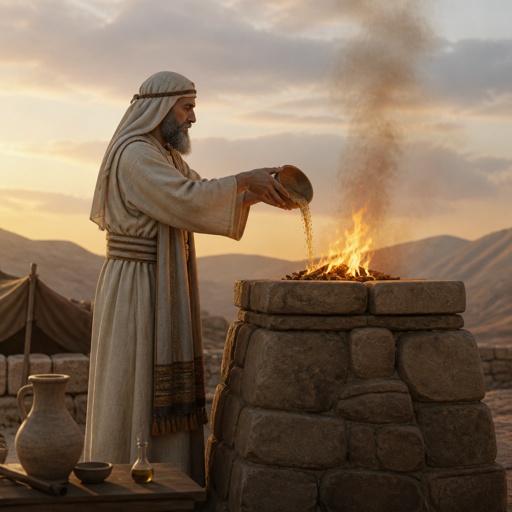
"For every meat offering for the priest shall be wholly burnt: it shall not be eaten." - Leviticus 6:23

Leviticus 23:23 - "¶ And the LORD spake unto Moses, saying,"

Leviticus 23:21

Leviticus 23:21

Leviticus 23:21

Leviticus 23:21

Leviticus 23:21

Leviticus 23:20

Leviticus 23:21

Leviticus 23:15-22

Leviticus 23:17-22

Leviticus 24:20-23

"¶ And the LORD spake unto Moses, saying," - Leviticus 23:23

Leviticus 23:1 - "And the LORD spake unto Moses, saying,"

Leviticus 23:26 - "¶ And the LORD spake unto Moses, saying,"

Leviticus 23:33 - "¶ And the LORD spake unto Moses, saying,"

Leviticus 23:9 - "¶ And the LORD spake unto Moses, saying,"

Leviticus 23:5 - "In the fourteenth day of the first month at even is the LORD'S passover."

Leviticus 23:44 - "And Moses declared unto the children of Israel the feasts of the LORD."

Leviticus 26:23 - "And if ye will not be reformed by me by these things, but will walk contrary unto me;"

the jewish holidays mentioned in leviticus 23:1 until 23:40 combined in one picture,

Leviticus 26: 4-6

Leviticus 25:23 - "¶ The land shall not be sold for ever: for the land is mine; for ye are strangers and sojourners with me."

Leviticus 23:4 - "¶ These are the feasts of the LORD, even holy convocations, which ye shall proclaim in their seasons."

Leviticus 26: 4-6

Leviticus 26: 4-6

Leviticus 23:35 - "On the first day shall be an holy convocation: ye shall do no servile work therein."