The Generosity of Grace: Learning from Leviticus 25:21
“Then I will command my blessing upon you in the sixth year, and it shall bring forth fruit for three years.” — Leviticus 25:21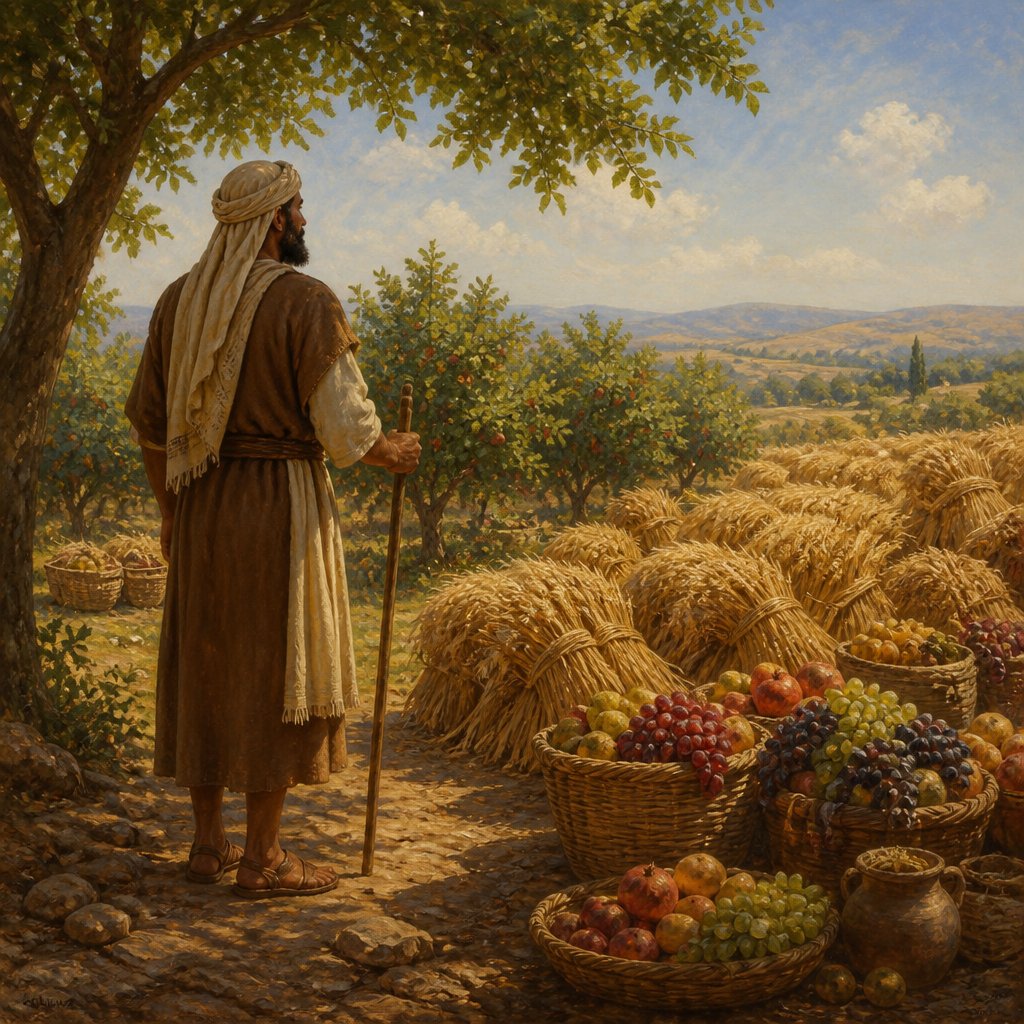
In the Book of Leviticus, we encounter laws and principles that initially appear rigid and outdated. However, these divine decrees reflect a deeper understanding of God’s provision and grace. Leviticus 25:21 states, "Then I will command my blessing upon you in the sixth year, and it shall bring forth fruit for three years." This verse opens a window into God’s heart for His people and an important lesson on faith and rest.
To understand this promise, we must first grasp the context of the Sabbath year, which is pivotal in the agricultural life of Israel. Every seventh year was a Sabbath year for the land, a year of rest, where no sowing or reaping was to take place (Leviticus 25:4). For ancient agrarians, this could be a daunting command; it required faith in God’s provision. If they ceased from farming, there was a pressing concern about how they would sustain themselves in the following year. God, in His wisdom, addresses this anxiety directly.
In verse 21, God assures His people that if they follow His command and allow the land to rest in the Sabbath year, He Himself will bless them abundantly. The promise of fruit in the sixth year to sustain them for three years is a miraculous provision — a testament to God’s abundant grace. It is an invitation to trust Him fully and to embrace the rhythm He established, which combines work and rest. The sixth year harvest would be so plentiful that it would meet their needs for the entire seventh year and well into the eighth year, during which they would begin to sow again.
God’s command illustrates a profound principle of abundance over scarcity. Herein lies a powerful reminder of who the provider truly is. The Israelites learned that their sustenance depended not solely on their own labor but ultimately on God's blessing. It teaches us that no matter how industriously we work, without divine favor, our efforts may end in futility. Conversely, with God’s blessing, even a small endeavor can yield an abundance.
This principle transcends the agricultural context and speaks to our lives today. In a world that often glorifies relentless busyness and achievements, we frequently forget the importance of rest. Just as God commanded a Sabbath for the land, He invites us to a place of rest — not just physical rest, but spiritual and emotional restoration.
When we trust God with our time and yield our worries about providing for ourselves, we step into a realm of divine faithfulness. Our “sixth year” may represent any period where we must demonstrate our faith, trusting God to meet our needs as we obey Him. This act of surrender often leads to overflowing blessings that extend far beyond our immediate circumstances, spilling over into the lives of those around us.
Moreover, it showcases God’s character as one who cares for His creation. He does not simply want to provide for our needs; He desires for us to thrive, growing in our relationship with Him. God’s blessings often come in unexpected packages, multiplied in ways we could never foresee. The three-year sustenance symbolizes an overflowing bounty — God doesn’t just meet our needs; He does so lavishly.
Thus, Leviticus 25:21 serves as a powerful reminder of the faithfulness of God. He calls us to trust Him, to pause from our frantic pace, and to be assured that when we submit to His ways, He governs our destinies with wisdom and grace. As we learn to depend on His timing rather than our impatience, we prepare our hearts to receive His extraordinary blessings.
Let us pray today for the courage to follow God’s principles and to trust in His marvelous provision, so that we, too, may rejoice in the fruits of His blessing.
Get our apps


Artwork for Leviticus 25:21

Leviticus 25:21 - "Then I will command my blessing upon you in the sixth year, and it shall bring forth fruit for three years."
"Then I will command my blessing upon you in the sixth year, and it shall bring forth fruit for three years." - Leviticus 25:21

Leviticus 23:21

Leviticus 23:21

Leviticus 23:21

Leviticus 23:21

Leviticus 23:21

Leviticus 23:21

Leviticus 21:19 - "Or a man that is brokenfooted, or brokenhanded,"

Leviticus 25:26 - "And if the man have none to redeem it, and himself be able to redeem it;"

Leviticus 25:34 - "But the field of the suburbs of their cities may not be sold; for it is their perpetual possession."

Leviticus 25:1 - "And the LORD spake unto Moses in mount Sinai, saying,"

Leviticus 16:25 - "And the fat of the sin offering shall he burn upon the altar."

Matthew 25:21

Matthew 25:21

Genesis 21-25

Genesis 21:25

Leviticus 21:16 - "¶ And the LORD spake unto Moses, saying,"

Genesis 21:25

John 21:25

Matthew 21:25

Leviticus 21:13 - "And he shall take a wife in her virginity."

Leviticus 25:24 - "And in all the land of your possession ye shall grant a redemption for the land."

Leviticus 25:13 - "In the year of this jubile ye shall return every man unto his possession."

Leviticus 25:23 - "¶ The land shall not be sold for ever: for the land is mine; for ye are strangers and sojourners with me."

Leviticus 25:7 - "And for thy cattle, and for the beast that are in thy land, shall all the increase thereof be meat."
Leviticus 25:43 - "Thou shalt not rule over him with rigour; but shalt fear thy God."

Leviticus 25:32 - "Notwithstanding the cities of the Levites, and the houses of the cities of their possession, may the Levites redeem at any time."

Leviticus 27:25 - "And all thy estimations shall be according to the shekel of the sanctuary: twenty gerahs shall be the shekel."

Leviticus 25:25 - "¶ If thy brother be waxen poor, and hath sold away some of his possession, and if any of his kin come to redeem it, then shall he redeem that which his brother sold."