The Path of Confession: A Return to Grace
“If they shall confess their iniquity, and the iniquity of their fathers, with their trespass which they trespassed against me, and that also they have walked contrary unto me;” — Leviticus 26:40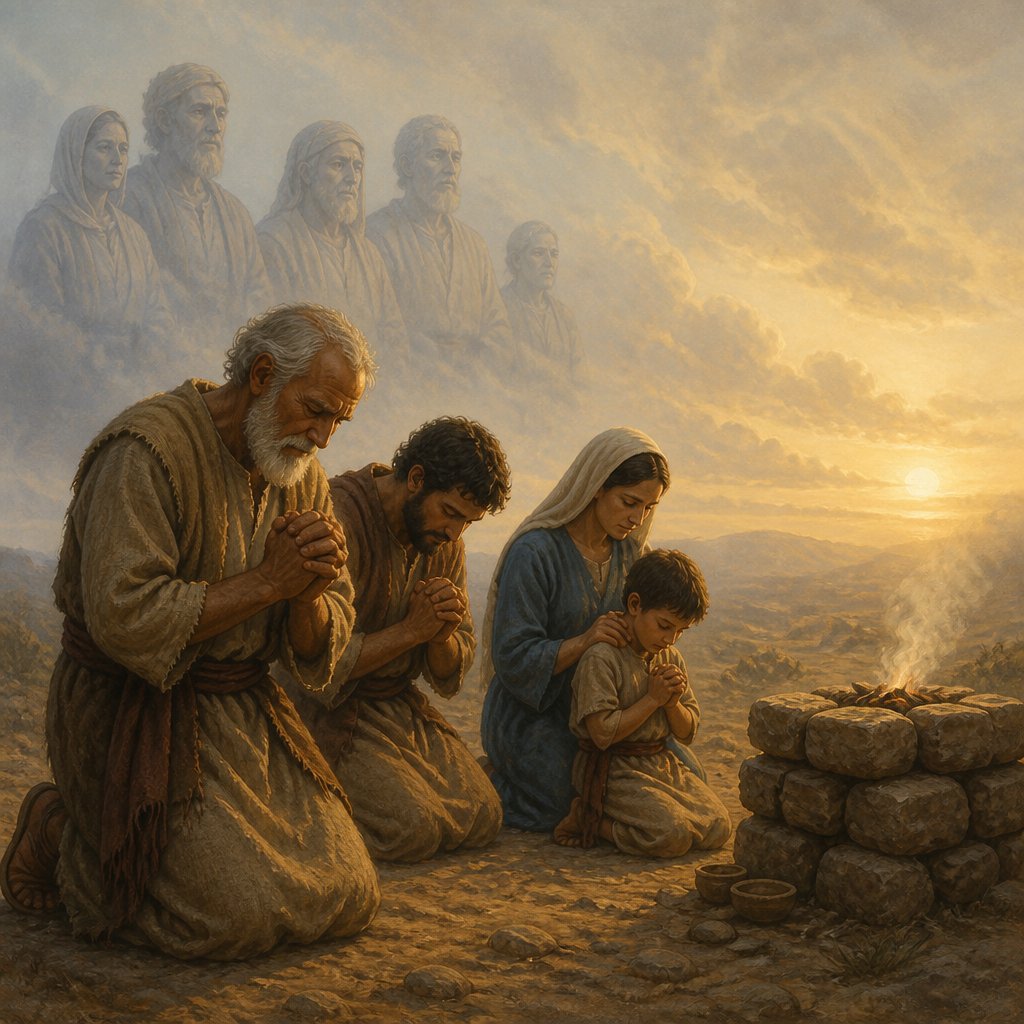
The book of Leviticus may seem distant or even obscure to modern readers, filled with commandments and laws that often appear irrelevant today. Yet, within its pages lie profound truths about human nature, divine justice, and the pathway to restoration. Leviticus 26:40 reads, "If they shall confess their iniquity, and the iniquity of their fathers, with their trespass which they trespassed against me, and that also they have walked contrary unto me." This verse highlights the critical act of confession—a cornerstone for both individual and communal healing.
Confession is a powerful act that transcends mere acknowledgment of wrongdoing; it is the gateway to humility and transformation. In the context of Leviticus 26, the Israelites were reminded of their covenant with God and the severe consequences of their disobedience. This verse instructs them to recognize not only their failings but also the failures of their ancestors. In today's world, we are tempted to view sin as an individual affair, but the biblical perspective often insists on recognizing and acknowledging systemic and inherited transgressions.
Confessing the iniquities of our fathers requires us to confront uncomfortable truths about our lineage and heritage. Just as the Israelites carried the burdens of their ancestors, we too bear the weight of historical injustices and familial patterns. Have we inherited attitudes, behaviors, or sins that keep us from fully walking in God’s ways? This confession is not merely an act of sorrow for the past but a necessary step towards liberation from those influences that hold us captive.
Moreover, this verse addresses the importance of recognizing our own sinfulness. "If they shall confess their iniquity…" implies a requirement for transparency before God. It reminds us that genuine confession involves not just a vague admission of wrongdoing but a deliberate naming of our sins—honestly confronting the ways we have trespassed against God. In a culture that often downplays personal accountability, the call to confess can feel daunting. Yet, it is precisely in these moments of vulnerability, when we most honestly lay bare our failings, that we can experience the depth of God’s mercy and grace.
The nature of confession is also communal. When the Israelites were instructed to confess their individual and collective iniquities, they were called into accountability and unity. In this confession, they were acknowledging their struggles as a community and perhaps instilling a sense of shared responsibility for turning away from God's commands. Today, we are reminded that we are part of a larger spiritual body. Our actions influence one another, and when we confess, we create pathways for healing not just for ourselves but also for our communities.
God, in His infinite wisdom and love, invites us to confess so that He might restore us. The subsequent verses remind us of the promise attached to this act of confession. God assures His people that if they return to Him with their whole heart, He will remember His covenant with them (Leviticus 26:42). The realization of God’s faithfulness is a beautiful extension of the act of confession; it is a reminder that even in our failings, there lies hope for reconciliation and renewal.
As we navigate our spiritual journeys, let us not shy away from the difficult work of confession. It is easy to feel overwhelmed by sin, either our own or that of the world, and to let guilt lead us to despair. Jesus offers us a greater promise—that His grace is sufficient and that His power is made perfect in our weakness (2 Corinthians 12:9). Confession is, therefore, not an end in itself but a stepping stone towards redemption.
Let us embrace the invitation in Leviticus 26:40. Take a moment to bring both personal and collective iniquities before God. Name your failures and the patterns of the past, and allow His love to envelop you. In this act of confession, may we find the courage to walk in newness of life, emboldened by the understanding that God’s mercy triumphs over our iniquity.
Get our apps


Artwork for Leviticus 26:40

Leviticus 26:40 - "If they shall confess their iniquity, and the iniquity of their fathers, with their trespass which they trespassed against me, and that also they have walked contrary unto me;"
"If they shall confess their iniquity, and the iniquity of their fathers, with their trespass which they trespassed against me, and that also they have walked contrary unto me;" - Leviticus 26:40

Leviticus 26:40-42 - ""But if they confess their iniquity and the iniquity of their fathers in their treachery that they committed against me, and also in walking contrary to me, so that I walked contrary to them and brought them into the land of their enemies—if then their uncircumcised heart is humbled and they make amends for their iniquity, then I will remember my covenant with Jacob, and I will remember my covenant with Isaac and my covenant with Abraham, and I will remember the land.""
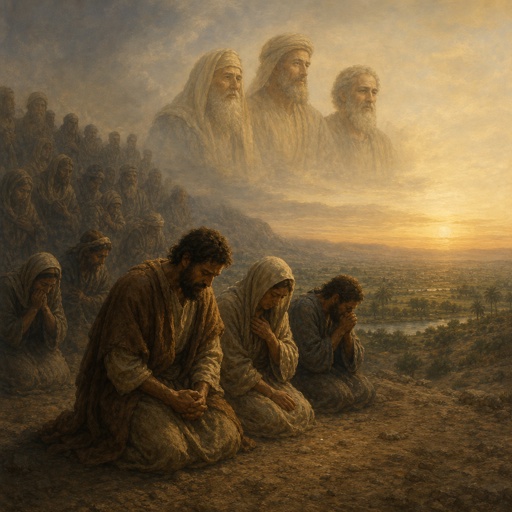
""But if they confess their iniquity and the iniquity of their fathers in their treachery that they committed against me, and also in walking contrary to me, so that I walked contrary to them and brought them into the land of their enemies—if then their uncircumcised heart is humbled and they make amends for their iniquity, then I will remember my covenant with Jacob, and I will remember my covenant with Isaac and my covenant with Abraham, and I will remember the land."" - Leviticus 26:40-42

Isaiah 40:26

isaiah 40:26

Exodus 40:26 - "¶ And he put the golden altar in the tent of the congregation before the vail:"

Leviticus 25:40 - "But as an hired servant, and as a sojourner, he shall be with thee, and shall serve thee unto the year of jubile:"

Leviticus 13:40 - "And the man whose hair is fallen off his head, he is bald; yet is he clean."

Leviticus 26: 4-6

Leviticus 26: 4-6

Leviticus 26: 4-6

Numbers 26:40 - "And the sons of Bela were Ard and Naaman: of Ard, the family of the Ardites: and of Naaman, the family of the Naamites."

Leviticus 23:26 - "¶ And the LORD spake unto Moses, saying,"

Leviticus 14:40 - "Then the priest shall command that they take away the stones in which the plague is, and they shall cast them into an unclean place without the city:"

Leviticus 22:26 - "¶ And the LORD spake unto Moses, saying,"

Leviticus 26:14 - "¶ But if ye will not hearken unto me, and will not do all these commandments;"

Leviticus 25:26 - "And if the man have none to redeem it, and himself be able to redeem it;"

Leviticus 20:22-26 simple picture

Picture to summarize Leviticus 20:22-26

the jewish holidays mentioned in leviticus 23:1 until 23:40 combined in one picture,

Leviticus 26:23 - "And if ye will not be reformed by me by these things, but will walk contrary unto me;"

Leviticus 26:3 - "¶ If ye walk in my statutes, and keep my commandments, and do them;"

Leviticus 14:26 - "And the priest shall pour of the oil into the palm of his own left hand:"

Leviticus 26:27 - "And if ye will not for all this hearken unto me, but walk contrary unto me;"

Leviticus 26:7 - "And ye shall chase your enemies, and they shall fall before you by the sword."

Matthew 26:40 - "And he cometh unto the disciples, and findeth them asleep, and saith unto Peter, What, could ye not watch with me one hour?"

Leviticus 11:40 - "And he that eateth of the carcase of it shall wash his clothes, and be unclean until the even: he also that beareth the carcase of it shall wash his clothes, and be unclean until the even."

Leviticus 26:12 - "And I will walk among you, and will be your God, and ye shall be my people."

Leviticus 26:10 - "And ye shall eat old store, and bring forth the old because of the new."