The Weight of Worth: Understanding Value Through God’s Eyes
“And the priest shall value it, whether it be good or bad: as thou valuest it, who art the priest, so shall it be.” — Leviticus 27:12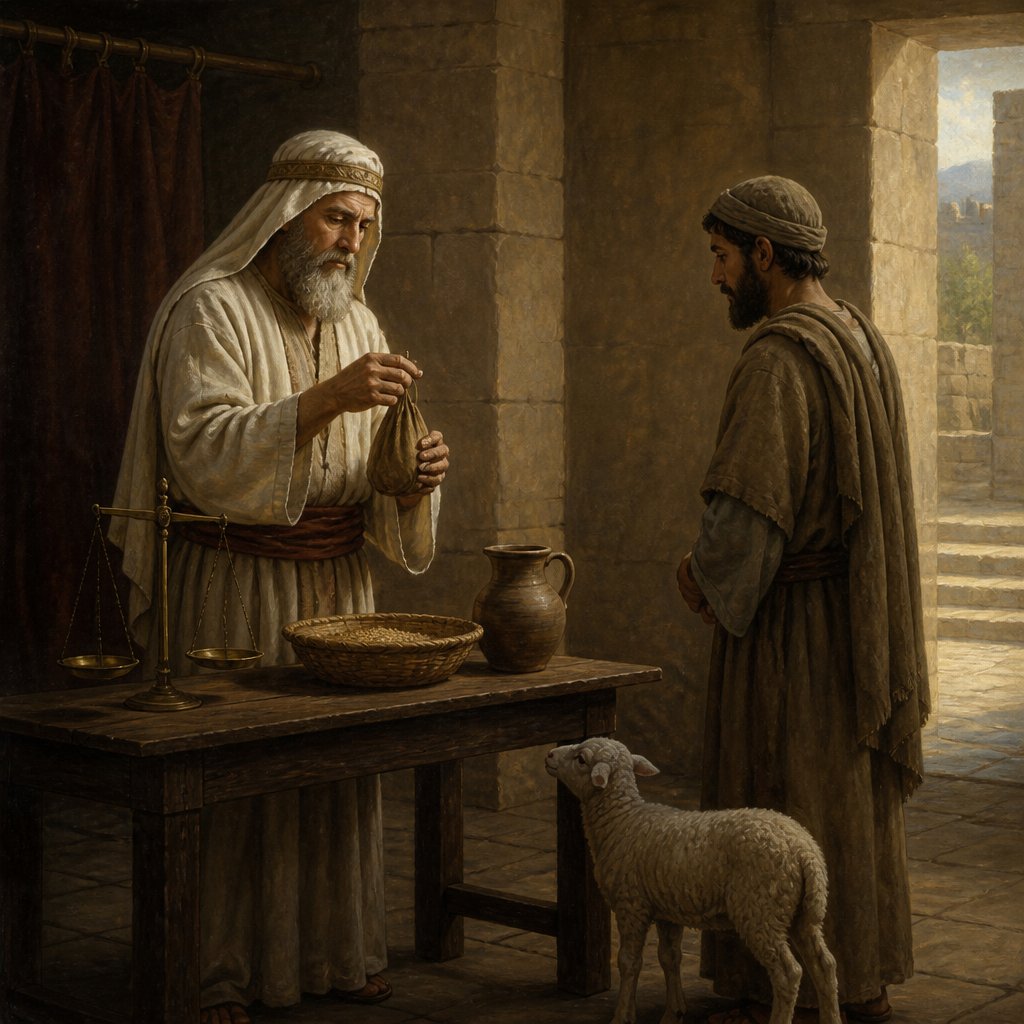
The Bible, particularly the book of Leviticus, provides profound insights into how we understand worth and value—not just in the things we possess but in ourselves and in our relationships with God and others. Leviticus 27:12 states: "And the priest shall value it, whether it be good or bad: as thou valuest it, who art the priest, so shall it be." This simple yet weighty statement reveals a complex interplay of judgment, value, and divine authority that is worth exploring in greater depth.
The context of Leviticus 27 speaks to the Israelites about making dedications or offerings to God, often in the form of property or livestock. This act of dedication was not just about giving, but rather it was about understanding the intrinsic value of what we offer to God. In ancient Israel, the priest's role was pivotal—acting as a mediator between God and the people. When we consider the priest’s function in valuating offerings, we can see how this reflects a greater spiritual principle: the need for divine guidance and godly perspective when assessing value.
At first glance, the priest’s evaluation might seem merely an administrative duty; however, it delves deeper into the essence of how we perceive worth. The phrase "as thou valuest it, who art the priest, so shall it be" implies that our evaluation carries weight. This teaches us significant lessons about how we see ourselves, how we value our possessions, and how we estimate the worth of others. It places upon each of us the responsibility to look beyond the surface, challenging us to assess correctly what is truly valuable in God’s eyes.
When we reflect on what it means to value something as 'good' or 'bad.' Goodness in this context might align with the eternal marks of righteousness, holiness, and godly character, whereas badness aligns with the world’s fleeting, often superficial markers of worth.
Today, many struggles with feelings of unworthiness, especially in a society that often measures individuals based on success, wealth, or influence. The priest instructs us that worth is not defined by worldly standards but through the lens of our Creator—filled with unconditional love and grace. God’s evaluation is not based on what we can offer; rather, it is grounded in who we are as His creations.
Through Christ, we understand that our inherent worth is not limited to our failures or our successes. Every individual has value as a child of God, deserving of love and respect simply because they are made in His image. Thus, as the priests of our lives, we must evaluate—and help others evaluate—themselves not through human metrics but through God’s grace.
Finding divine value is a spiritual journey. Like the priest valuing a dedicated item, we have the freedom and responsibility to pursue understanding our worth through frequent prayer, reflection, study of Scripture, and community. As we grow in our awareness of God’s love for us, we begin to grasp how God values us.
Furthermore, this principle extends to others—how do we estimate the value of those around us? When we evaluate our relationships, have we begun to apply God’s perspective? Are we quick to judge based on appearance or societal status, or do we much rather see each person as precious and beloved by the Lord? Viewing others as God does fosters love and compassion and transforms how we engage with people day-to-day.
Thus, the priest's role in valuing not only invokes reverence for God but inspires us to embark on a journey of self-exploration and examination of our perceptions. We are called to value what God values—in the offerings we present, in how we see ourselves, and in our treatment of others. Let us, therefore, pray for the insight to discern value rightly and embody that understanding in our lives, remembering that we are fully known and deeply valued by the One who created us.
Get our apps


Artwork for Leviticus 27:12

Leviticus 27:12 - "And the priest shall value it, whether it be good or bad: as thou valuest it, who art the priest, so shall it be."
"And the priest shall value it, whether it be good or bad: as thou valuest it, who art the priest, so shall it be." - Leviticus 27:12

Leviticus 27

Leviticus 27

Leviticus 27

Leviticus 27:1 - "And the LORD spake unto Moses, saying,"

Leviticus 27:4 - "And if it be a female, then thy estimation shall be thirty shekels."

Leviticus 27:27 - "And if it be of an unclean beast, then he shall redeem it according to thine estimation, and shall add a fifth part of it thereto: or if it be not redeemed, then it shall be sold according to thy estimation."

Leviticus 26:27 - "And if ye will not for all this hearken unto me, but walk contrary unto me;"

Leviticus 27:34 - "These are the commandments, which the LORD commanded Moses for the children of Israel in mount Sinai."

Leviticus 27:25 - "And all thy estimations shall be according to the shekel of the sanctuary: twenty gerahs shall be the shekel."
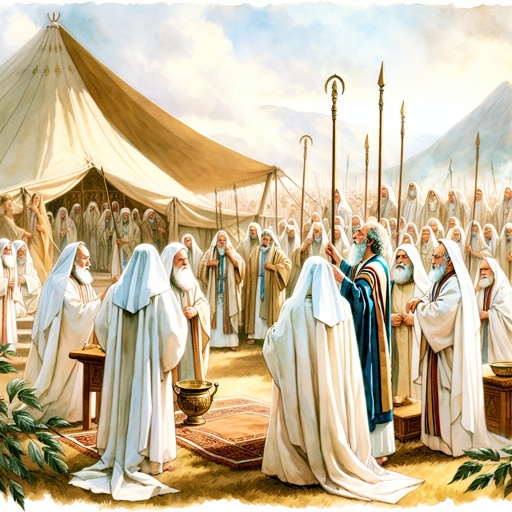
Leviticus 8:1-12

Leviticus 27:13 - "But if he will at all redeem it, then he shall add a fifth part thereof unto thy estimation."

Leviticus 27:30 - "And all the tithe of the land, whether of the seed of the land, or of the fruit of the tree, is the LORD'S: it is holy unto the LORD."

Leviticus 27:17 - "If he sanctify his field from the year of jubile, according to thy estimation it shall stand."

Leviticus 18:27 - "(For all these abominations have the men of the land done, which were before you, and the land is defiled;)"

"And the LORD spake unto Moses, saying," - Leviticus 27:1

Leviticus 27:31 - "And if a man will at all redeem ought of his tithes, he shall add thereto the fifth part thereof."

Leviticus 27:20 - "And if he will not redeem the field, or if he have sold the field to another man, it shall not be redeemed any more."

Leviticus 19:27 - "Ye shall not round the corners of your heads, neither shalt thou mar the corners of thy beard."

Leviticus 27:22 - "And if a man sanctify unto the LORD a field which he hath bought, which is not of the fields of his possession;"

Leviticus 12:1 - "And the LORD spake unto Moses, saying,"

Leviticus 27:7 - "And if it be from sixty years old and above; if it be a male, then thy estimation shall be fifteen shekels, and for the female ten shekels."

Leviticus 27:32 - "And concerning the tithe of the herd, or of the flock, even of whatsoever passeth under the rod, the tenth shall be holy unto the LORD."

Leviticus 27:26 - "¶ Only the firstling of the beasts, which should be the LORD'S firstling, no man shall sanctify it; whether it be ox, or sheep: it is the LORD'S."
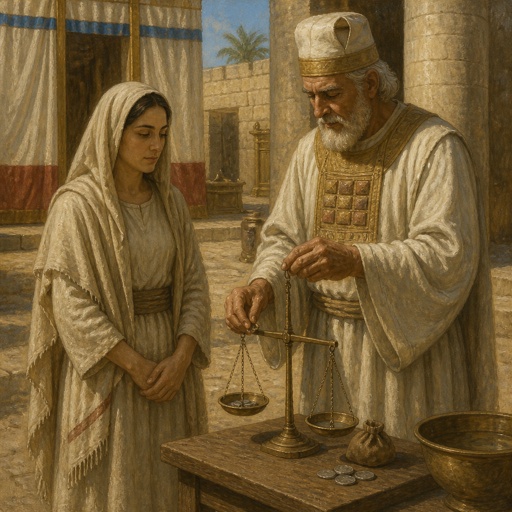
"And if it be a female, then thy estimation shall be thirty shekels." - Leviticus 27:4

1 Corinthians 12:27

Leviticus 12:3 - "And in the eighth day the flesh of his foreskin shall be circumcised."

Leviticus 27:21 - "But the field, when it goeth out in the jubile, shall be holy unto the LORD, as a field devoted; the possession thereof shall be the priest's."

Leviticus 14:27 - "And the priest shall sprinkle with his right finger some of the oil that is in his left hand seven times before the LORD:"