The Aroma of Sacrifice: A Devotional Reflection on Leviticus 3:11
“And the priest shall burn it upon the altar: it is the food of the offering made by fire unto the LORD.” — Leviticus 3:11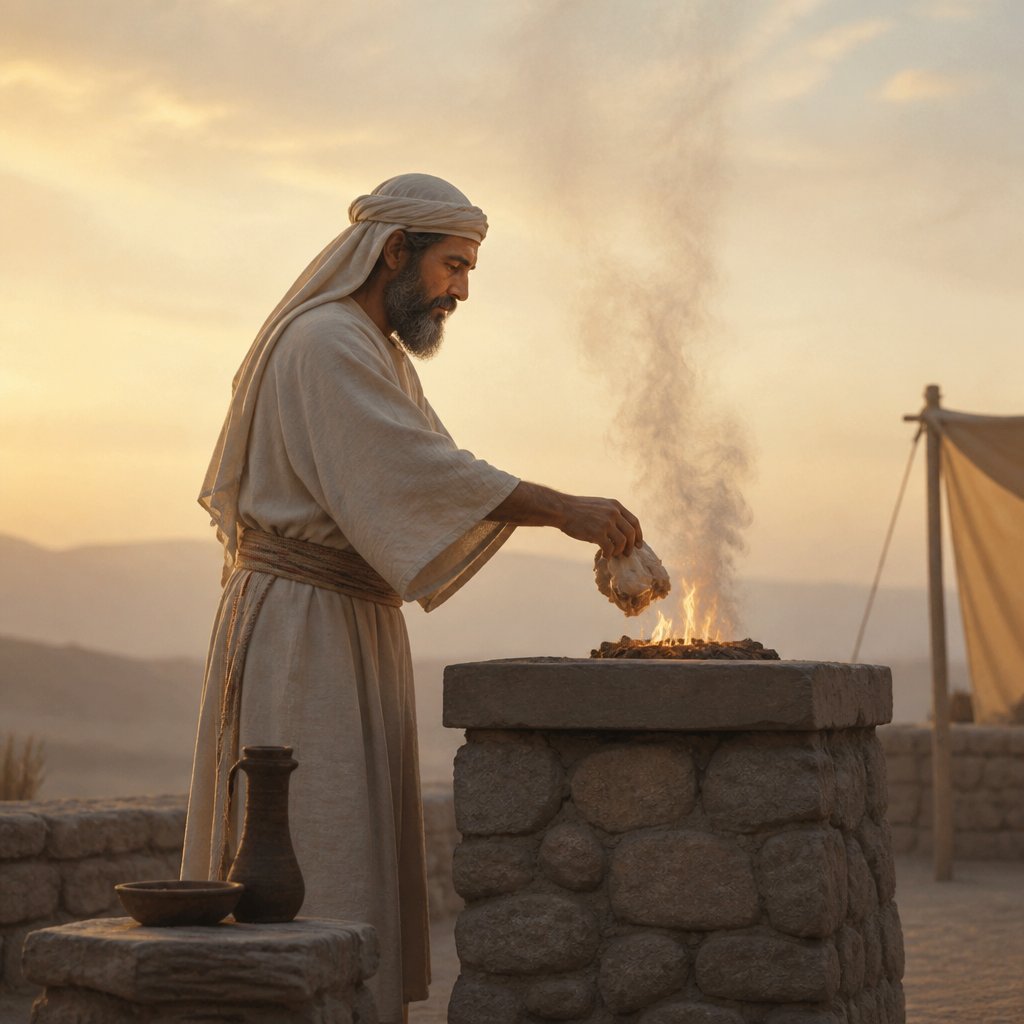
Leviticus 3:11 states, "And the priest shall burn it upon the altar: it is the food of the offering made by fire unto the LORD." At first glance, this verse may seem merely a directive regarding sacrificial rituals, yet it opens a doorway into understanding the profound intimacy of our relationship with God and the essence of faithful worship.
In the context of Leviticus, the Israelites were given specific instructions on how to approach God through various sacrificial offerings. The peace offering, or fellowship offering, was not just about making amends for sin but was also an expression of gratitude and communion with the Lord. The act of offering food symbolizes sustenance and nourishment, and in this case, it represents the spiritual integrity of the people and their desire to be in right standing with God.
The imagery of burning the sacrifice on the altar evokes the senses—the flicker of the flames, the crackle of the wood, and the rising smoke that curls upward. This is not merely an act of slaughtering livestock; it transcends the physical act, becoming an offering of the heart. The aroma that rises represents the spirit of the worshiper—pleasing, delightful, and dedicated to God. It tells us that our lives, too, can be fragrant to God when we offer our hearts sincerely.
As we delve deeper into this verse, we are reminded that the priests were intermediaries, entrusted with the sacred duty of presenting offerings on behalf of the people. In the same way, Jesus Christ is our High Priest today, bridging the gap between humanity and the Father. His sacrifice fulfilled the ancient sacrificial system, enabling a relationship where we don’t need to burn offerings, yet we are still called to offer a different kind of sacrifice—the sacrifice of praise, service, and thanksgiving.
Hebrews 13:15-16 echoes this truth: "By him therefore let us offer the sacrifice of praise to God continually, that is, the fruit of our lips giving thanks to his name. But to do good and to communicate forget not: for with such sacrifices God is well pleased." Our 'food,' as it were, is not burned on an altar but offered daily through our worship, deeds, and the love we show to others. The call to dedicate our lives in every aspect becomes our offering made by fire unto the Lord, not as an obligation but as an act of love.
Additionally, we should contemplate the meaning of the 'altar'. It was a sacred place, set apart for communion with God, where the ordinary is transformed into the extraordinary. In our lives, the concept of an altar can take on literal and metaphorical significance. It could be a physical space, like a church or a home altar, dedicated to prayer and worship, or it could be the position of our hearts, willing to acknowledge God's holiness in everyday moments.
When we offer ourselves—our time, our talents, and our treasures—on the altar of our daily lives, we create a holy space where God can dwell. The act of burning the offering 'upon the altar' is an immersive experience of submission; it signifies surrendering ownership of our lives to God's sovereignty. Each moment we spend in gratitude or service becomes an offering, rising to heaven as a sweet-smelling incense before God.
A vital lesson from this verse is that God desires not only our sacrifices but our complete involvement in worshiping Him in spirit and truth (John 4:24). If our lives overflow with praise, gratitude, and acts of kindness, they become food for the offering that God delights in.
Therefore, let us challenge ourselves—what are we placing on the altar of our devotion? Is it merely our leftovers, or are we presenting our best? Let every day be an opportunity to rise like sweet incense before our God. As we live our lives, let it be said that we are continually offering ourselves in love and worship, reflecting the nature and character of our ultimate sacrifice, Jesus Christ.
Get our apps


Artwork for Leviticus 3:11

Leviticus 3:11 - "And the priest shall burn it upon the altar: it is the food of the offering made by fire unto the LORD."
"And the priest shall burn it upon the altar: it is the food of the offering made by fire unto the LORD." - Leviticus 3:11

Leviticus 11:3 - "Whatsoever parteth the hoof, and is clovenfooted, and cheweth the cud, among the beasts, that shall ye eat."
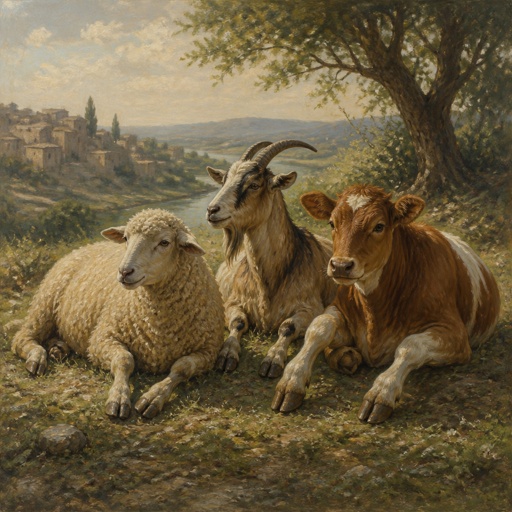
"Whatsoever parteth the hoof, and is clovenfooted, and cheweth the cud, among the beasts, that shall ye eat." - Leviticus 11:3
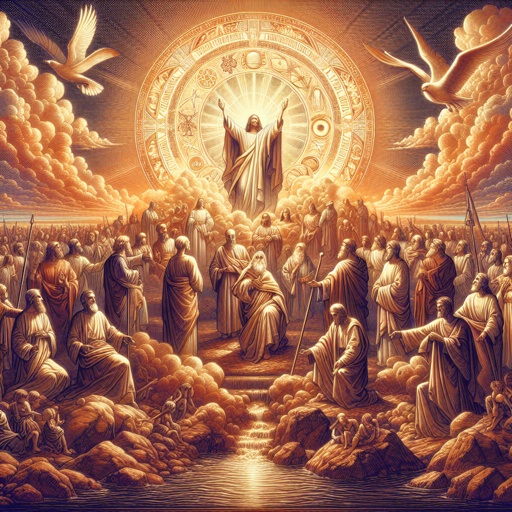
Leviticus 11:22
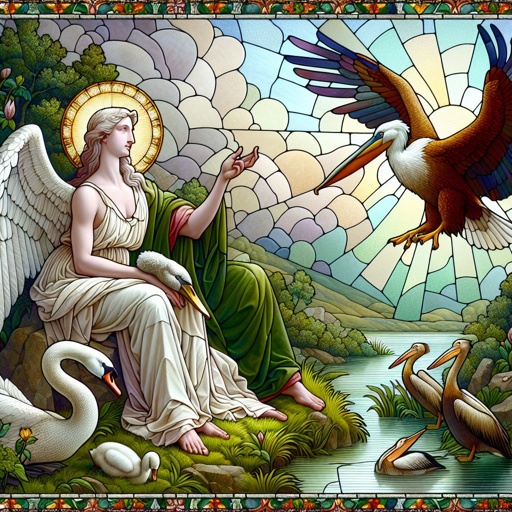
Leviticus 11:18 - "And the swan, and the pelican, and the gier eagle,"

Leviticus 11:17 - "And the little owl, and the cormorant, and the great owl,"

Leviticus 11:14 - "And the vulture, and the kite after his kind;"

Leviticus 11:15 - "Every raven after his kind;"

Leviticus 11:30 - "And the ferret, and the chameleon, and the lizard, and the snail, and the mole."

Leviticus 11:19 - "And the stork, the heron after her kind, and the lapwing, and the bat."

Leviticus 9:11 - "And the flesh and the hide he burnt with fire without the camp."

Leviticus 11:1 - "And the LORD spake unto Moses and to Aaron, saying unto them,"

Leviticus 11:16 - "And the owl, and the night hawk, and the cuckow, and the hawk after his kind,"

Leviticus 11:41 - "And every creeping thing that creepeth upon the earth shall be an abomination; it shall not be eaten."

Leviticus 19:11 - "¶ Ye shall not steal, neither deal falsely, neither lie one to another."

Leviticus 7:11 - "And this is the law of the sacrifice of peace offerings, which he shall offer unto the LORD."

Leviticus 12:3 - "And in the eighth day the flesh of his foreskin shall be circumcised."

"And the swan, and the pelican, and the gier eagle," - Leviticus 11:18

Leviticus 11:12 - "Whatsoever hath no fins nor scales in the waters, that shall be an abomination unto you."

Leviticus 11:8 - "Of their flesh shall ye not eat, and their carcase shall ye not touch; they are unclean to you."

Leviticus 26:11 - "And I will set my tabernacle among you: and my soul shall not abhor you."

Leviticus 11:24 - "And for these ye shall be unclean: whosoever toucheth the carcase of them shall be unclean until the even."

Leviticus 11:5 - "And the coney, because he cheweth the cud, but divideth not the hoof; he is unclean unto you."

Leviticus 11:20 - "All fowls that creep, going upon all four, shall be an abomination unto you."

Leviticus 11:6 - "And the hare, because he cheweth the cud, but divideth not the hoof; he is unclean unto you."

Leviticus 11:37 - "And if any part of their carcase fall upon any sowing seed which is to be sown, it shall be clean."

"And the ferret, and the chameleon, and the lizard, and the snail, and the mole." - Leviticus 11:30

Leviticus 3:12 - "¶ And if his offering be a goat, then he shall offer it before the LORD."

Leviticus 8:3 - "And gather thou all the congregation together unto the door of the tabernacle of the congregation."