Sacrifices and Surrender: Understanding Leviticus 3:4
“And the two kidneys, and the fat that is on them, which is by the flanks, and the caul above the liver, with the kidneys, it shall he take away.” — Leviticus 3:4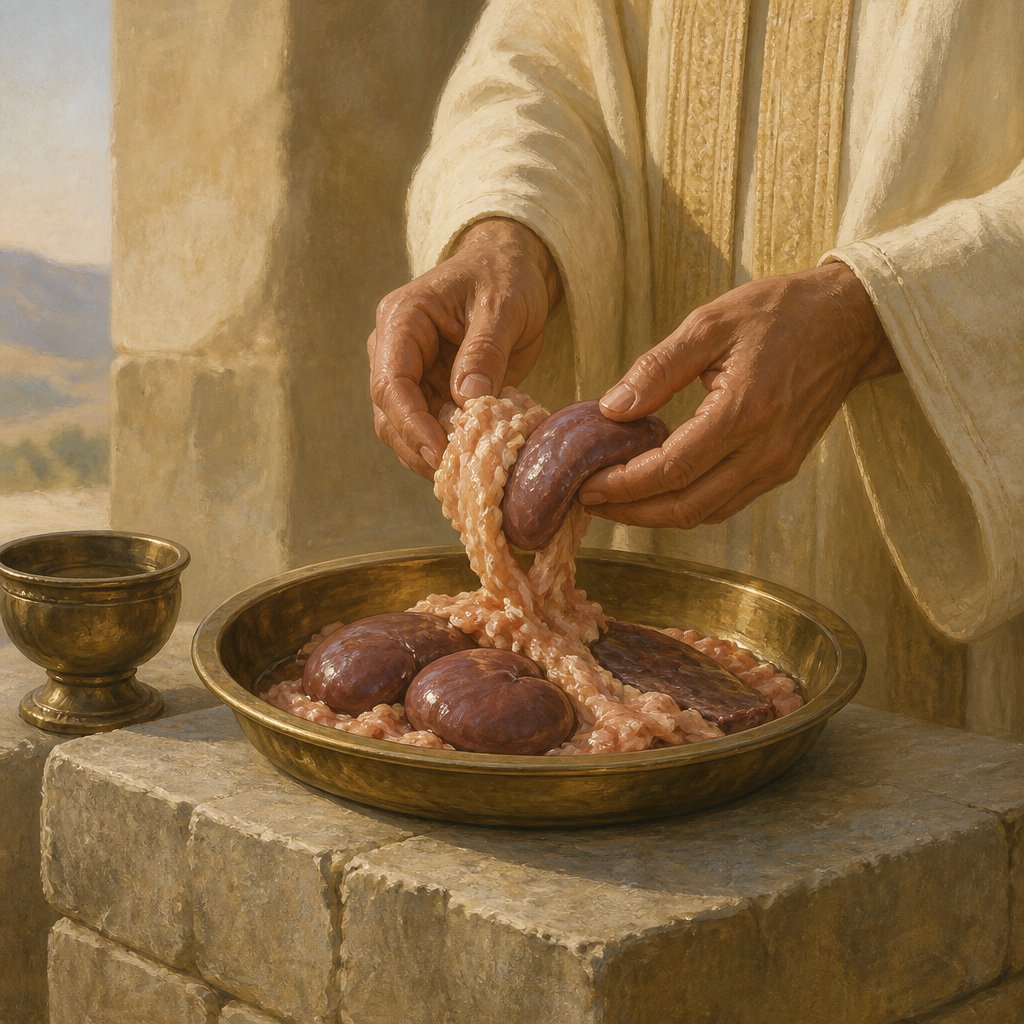
In the intricate tapestry of the Old Testament, the book of Leviticus stands as a pivotal guide for the Israelites. A comprehensive manual outlining the laws and rituals necessary for spiritual cleansing and communal living, Leviticus often draws our attention to aspects that can seem mundane or alien to modern believers. Yet, it is precisely within these details, such as those articulated in Leviticus 3:4, that profound spiritual truths are revealed.
The verse states: "And the two kidneys, and the fat that is on them, which is by the flanks, and the caul above the liver, with the kidneys, it shall he take away." This directive outlines the specifications for sacrifices, particularly the peace offerings, and while it may appear to engage only with dietary restrictions or ritual cleanliness, there exists a deeper message about surrender and submission to God’s will.
### The Significance of Specificity
The meticulous nature of the sacrificial laws, including what parts of the animal should be offered or removed, reveals the totality with which God desires our obedience. In ancient Israel, the kidney and the fat were often associated with the most prized parts of the animal, symbolizing not just the physical nourishment, but also the essence of one’s being. To offer these parts was to give not only from one’s abundance but also from what was deemed valuable. In our contemporary context, how often do we wrestle with what we are willing to surrender to God?
Like the Israelites, we are called to present the entirety of ourselves to God, not just the superficial aspects of our lives. Often, we may be tempted to offer our time, talents, or resources while clinging tightly to our hopes, dreams, and ambitions—the very fat that symbolizes our personal desires. Yet, God challenges us to relinquish even these cherished elements, trusting Him with every part of our lives.
### The Heart of Worship
Sacrifices, in their daily practice, were not merely transactions for forgiveness or appeasement but were instead acts of worship. God desires genuine worship that encompasses both spirit and truth, and this means that our offerings must stem from a place of deep understanding and recognition of His sovereignty. When we read, "it shall he take away," it is an invitation to reflect on what we need to let go of in our lives. What are the 'kidneys' or 'fats' we clutch tightly, believing they belong to us rather than God?
Every time we are confronted with this scripture, we are reminded that surrendering to God requires the relinquishment of our most prized possessions—whether they are our desires, ambitions, or the control we wish to maintain over our lives. God is not merely interested in what we can offer Him; He is more concerned about our hearts.
### A Call to Complete Surrender
When the priest received the sacrifice, it was meant to signify the relationship between God and His people—a relationship rooted in trust, reverence, and ultimate surrender. This call to surrender applies today as much as it did thousands of years ago. What are we truly keeping from God that needs to be laid on the altar?
Let us not forget that the act of surrender is itself an act of worship. It demonstrates our faith in God’s ability to provide and to direct our paths. If we endeavor to live in alignment with His will, we will find that our sacrifices—whatever they may be—become an opportunity to connect more deeply with our Creator.
### Reflection
In silence, let us reflect and pray. Take a moment to ask God:
- What parts of my life am I holding back from you?
- How can I offer my 'kidneys' and 'fat' to you today?
- In what ways can I engage in true worship that encompasses all my being?
As we engage in the practice of surrender, may we be encouraged to bring everything before God. Even in the details, He is present—calling us closer, asking us to lay down our lives as living sacrifices, holy and acceptable unto Him. Thus, may this verse ignite in us a passion for a deeper, more authentic relationship with God.
Get our apps


Artwork for Leviticus 3:4

Leviticus 3:4 - "And the two kidneys, and the fat that is on them, which is by the flanks, and the caul above the liver, with the kidneys, it shall he take away."
"And the two kidneys, and the fat that is on them, which is by the flanks, and the caul above the liver, with the kidneys, it shall he take away." - Leviticus 3:4
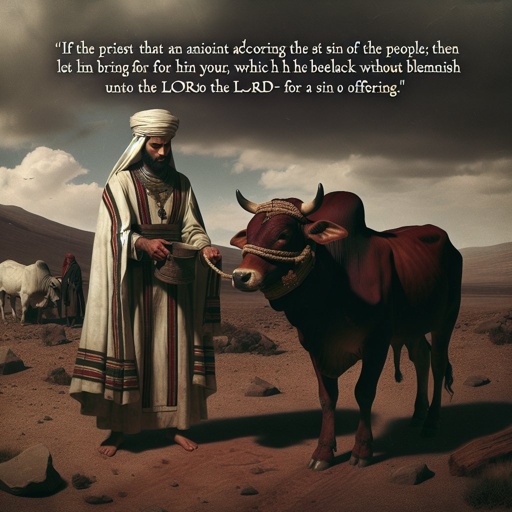
Leviticus 4:3 - "If the priest that is anointed do sin according to the sin of the people; then let him bring for his sin, which he hath sinned, a young bullock without blemish unto the LORD for a sin offering."

Leviticus 26: 4-6
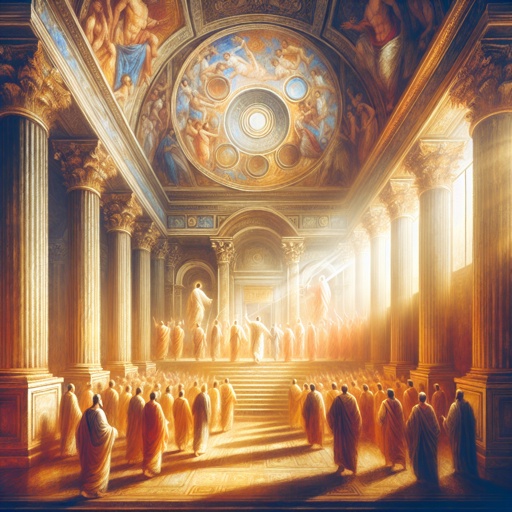
Leviticus 26: 4-6

Leviticus 26: 4-6

Leviticus 4:1 - "And the LORD spake unto Moses, saying,"

Leviticus 27:4 - "And if it be a female, then thy estimation shall be thirty shekels."

Leviticus 12:3 - "And in the eighth day the flesh of his foreskin shall be circumcised."

Leviticus 4:16 - "And the priest that is anointed shall bring of the bullock's blood to the tabernacle of the congregation:"

Leviticus 3:12 - "¶ And if his offering be a goat, then he shall offer it before the LORD."

Leviticus 8:3 - "And gather thou all the congregation together unto the door of the tabernacle of the congregation."

Leviticus 26:3 - "¶ If ye walk in my statutes, and keep my commandments, and do them;"
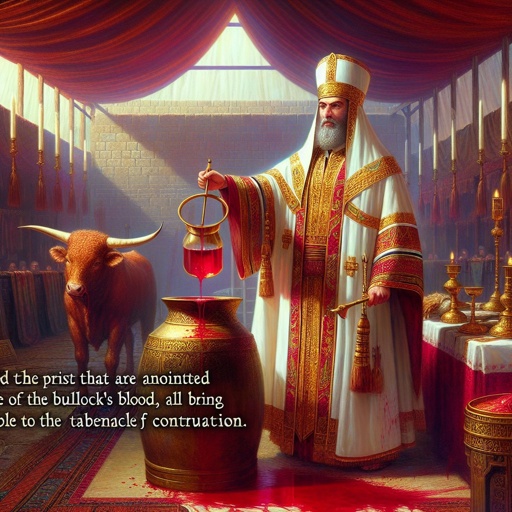
Leviticus 4:5 - "And the priest that is anointed shall take of the bullock's blood, and bring it to the tabernacle of the congregation:"

Leviticus 3:7 - "If he offer a lamb for his offering, then shall he offer it before the LORD."

Leviticus 7:3 - "And he shall offer of it all the fat thereof; the rump, and the fat that covereth the inwards,"

Leviticus 3:3 - "And he shall offer of the sacrifice of the peace offering an offering made by fire unto the LORD; the fat that covereth the inwards, and all the fat that is upon the inwards,"

Leviticus 24:4 - "He shall order the lamps upon the pure candlestick before the LORD continually."

Leviticus 23:4 - "¶ These are the feasts of the LORD, even holy convocations, which ye shall proclaim in their seasons."

Leviticus 3:11 - "And the priest shall burn it upon the altar: it is the food of the offering made by fire unto the LORD."

Leviticus 4:4 - "And he shall bring the bullock unto the door of the tabernacle of the congregation before the LORD; and shall lay his hand upon the bullock's head, and kill the bullock before the LORD."

Leviticus 4:32 - "And if he bring a lamb for a sin offering, he shall bring it a female without blemish."

Leviticus 4:19 - "And he shall take all his fat from him, and burn it upon the altar."

Leviticus 11:3 - "Whatsoever parteth the hoof, and is clovenfooted, and cheweth the cud, among the beasts, that shall ye eat."

Leviticus 21:4 - "But he shall not defile himself, being a chief man among his people, to profane himself."
"And the LORD spake unto Moses, saying," - Leviticus 4:1

Leviticus 8:4 - "And Moses did as the LORD commanded him; and the assembly was gathered together unto the door of the tabernacle of the congregation."

Leviticus 17:3 - "What man soever there be of the house of Israel, that killeth an ox, or lamb, or goat, in the camp, or that killeth it out of the camp,"

Leviticus 16:3 - "Thus shall Aaron come into the holy place: with a young bullock for a sin offering, and a ram for a burnt offering."

Leviticus 4:11 - "And the skin of the bullock, and all his flesh, with his head, and with his legs, and his inwards, and his dung,"