The Altar of Atonement: A Deeper Understanding of Leviticus 4:30
“And the priest shall take of the blood thereof with his finger, and put it upon the horns of the altar of burnt offering, and shall pour out all the blood thereof at the bottom of the altar.” — Leviticus 4:30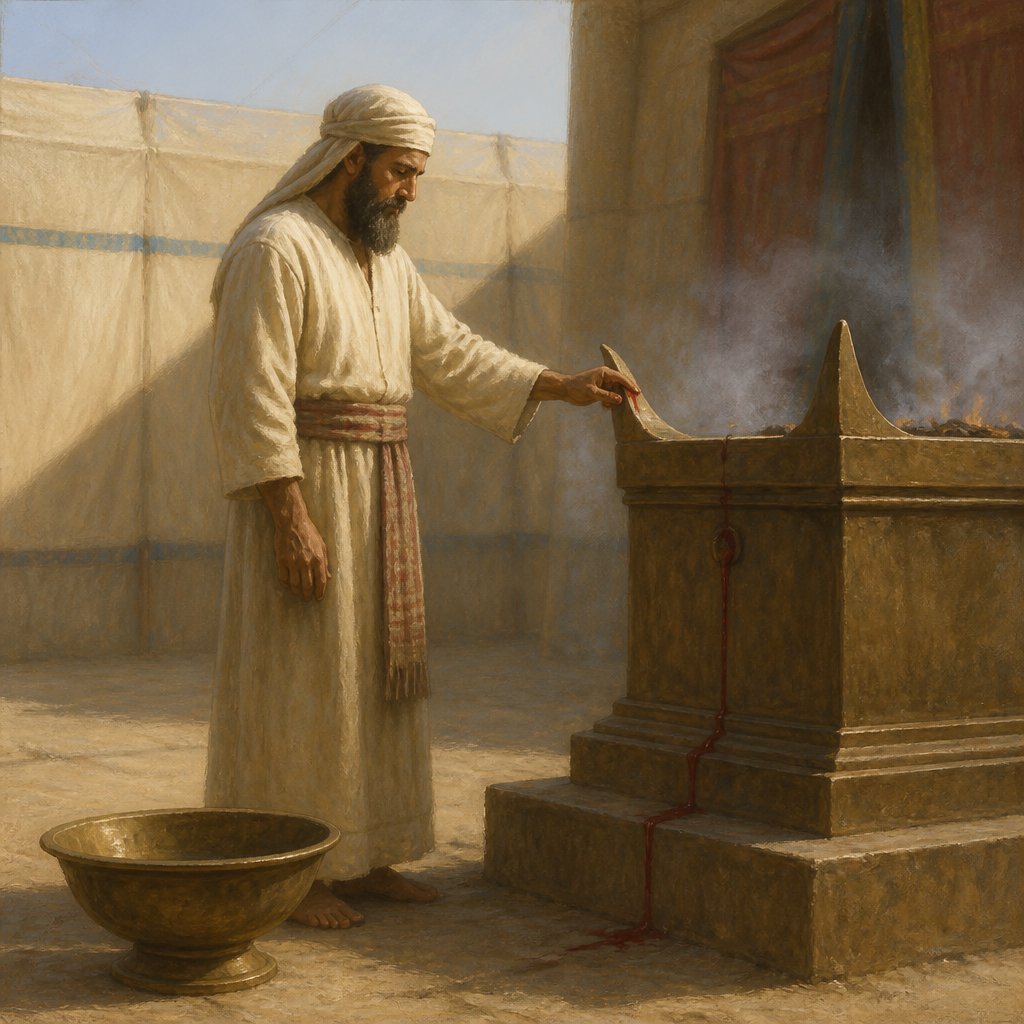
In the book of Leviticus, we are offered a remarkable glimpse into the intricate details of the sacrificial system established for the people of Israel. Among the many ordinances given by God to Moses, Leviticus 4:30 stands out as a significant moment where grace and reparation converge. The verse reads: "And the priest shall take of the blood thereof with his finger, and put it upon the horns of the altar of burnt offering, and shall pour out all the blood thereof at the bottom of the altar."
To unpack the depths of this verse, we must look at the meaning and importance of blood within the biblical Hebrew context. Blood is often viewed as the life force of a being; it was quintessential in the atonement processes outlined in the Law of Moses. The spilling of blood, especially in the context of sacrifices, signifies not just atonement for sin but also the seriousness of transgressions against a holy God. As we read Leviticus, one theme that emerges prominently is the high regard for holiness and the pronounced need for atonement. The sacrificial act was a constant reminder that sin carries a weight, one that must be addressed through sacrifice.
To observe the ritual outlined in Leviticus 4:30, we see the priest—an intermediary—taking the blood of the sacrifice presented by the sinner. The act of taking the blood with his finger and applying it to the horns of the altar is rich with symbolism. The altar itself is a sacred place, signifying divine grace and mercy. By touching the horns of the altar with the blood, the priest not only acknowledges the sacrificial offering but also binds it to the acceptance of God, who is ever ready to forgive when there is genuine repentance.
The horns on the altar carried significant meaning in the Israelites' culture; they were seen as places of refuge and power. The act of sprinkling blood on the horns emphasized that forgiveness was firmly anchored in the power of sacrifice. In applying the blood, the priest acted on behalf of the individual, serving as a mediator who presented the sin to God, laying bare the acknowledgment of wrongdoing while also inviting divine mercy into the situation.
After applying the blood to the horns, the priest pours out the remaining blood at the bottom of the altar, symbolizing total surrender and cleansing. This act demonstrated that every bit of the sacrifice was to be handled with honor and reverence, as blood was precious. The blood poured out signifies that the life of the offering was no longer its own; it reflected the believer's confession of sin and the desire for atonement.
So what does this ancient practice mean for us today? The New Testament reveals that Jesus fulfilled this sacrificial system, becoming the ultimate sacrifice for our sins. His blood, shed on the cross, redefined our relationship with God. We no longer need to bring animals to the altar to atone for our sins; we now plead the blood of Jesus, which was poured out on our behalf. Just as the priest in Leviticus sprinkled blood as a means of seeking mercy, we can approach God's throne with confidence, knowing that through Christ, we are clean.
As you meditate on Leviticus 4:30, let it remind you of the depth of God’s grace. Each time you feel the weight of sin, remember how the act of bringing a sacrifice indicated a heart of repentance. Reflect on the price that was paid for your atonement and rejoice in the assurance that Jesus's blood covers all sins. Let the imagery of the altar call you back to that place of surrender. Pour out your burdens, your regrets, and your failures at the foot of the cross. In that sacred space, receive the forgiveness freely offered, and let it empower you to live a life that honors the sacrifice that has brought you back to God.
Get our apps


Artwork for Leviticus 4:30

Leviticus 4:30 - "And the priest shall take of the blood thereof with his finger, and put it upon the horns of the altar of burnt offering, and shall pour out all the blood thereof at the bottom of the altar."
"And the priest shall take of the blood thereof with his finger, and put it upon the horns of the altar of burnt offering, and shall pour out all the blood thereof at the bottom of the altar." - Leviticus 4:30

Leviticus 8:30

Leviticus 11:30 - "And the ferret, and the chameleon, and the lizard, and the snail, and the mole."

Leviticus 14:30 - "And he shall offer the one of the turtledoves, or of the young pigeons, such as he can get;"

Leviticus 19:30 - "¶ Ye shall keep my sabbaths, and reverence my sanctuary: I am the LORD."

Leviticus 27:30 - "And all the tithe of the land, whether of the seed of the land, or of the fruit of the tree, is the LORD'S: it is holy unto the LORD."

"And the ferret, and the chameleon, and the lizard, and the snail, and the mole." - Leviticus 11:30

Acts 4:30

Acts 4:30

Acts 4:30

Acts 4:30

Leviticus 22:30 - "On the same day it shall be eaten up; ye shall leave none of it until the morrow: I am the LORD."

Leviticus 23:30 - "And whatsoever soul it be that doeth any work in that same day, the same soul will I destroy from among his people."

Deu:30:4

Leviticus 16:30 - "For on that day shall the priest make an atonement for you, to cleanse you, that ye may be clean from all your sins before the LORD."

Leviticus 26: 4-6

Leviticus 6:30 - "And no sin offering, whereof any of the blood is brought into the tabernacle of the congregation to reconcile withal in the holy place, shall be eaten: it shall be burnt in the fire."
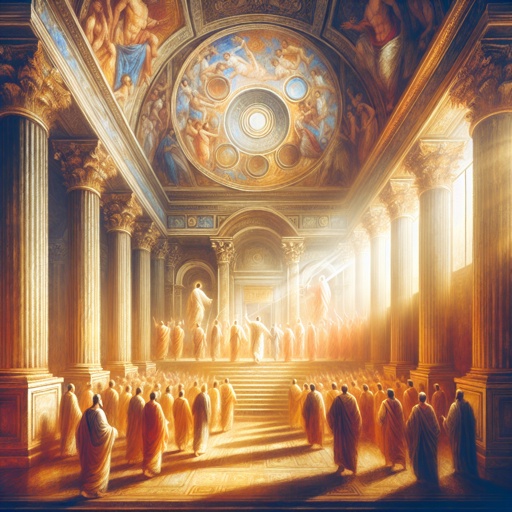
Leviticus 26: 4-6

Leviticus 26: 4-6

1 Chronicles 4:30 - "And at Bethuel, and at Hormah, and at Ziklag,"

Leviticus 4:1 - "And the LORD spake unto Moses, saying,"

Leviticus 15:30 - "And the priest shall offer the one for a sin offering, and the other for a burnt offering; and the priest shall make an atonement for her before the LORD for the issue of her uncleanness."

Leviticus 25:30 - "And if it be not redeemed within the space of a full year, then the house that is in the walled city shall be established for ever to him that bought it throughout his generations: it shall not go out in the jubile."

Leviticus 27:4 - "And if it be a female, then thy estimation shall be thirty shekels."

Leviticus 26:30 - "And I will destroy your high places, and cut down your images, and cast your carcases upon the carcases of your idols, and my soul shall abhor you."

2 Chronicles 30:4 - "And the thing pleased the king and all the congregation."

John 4:30 - "Then they went out of the city, and came unto him."
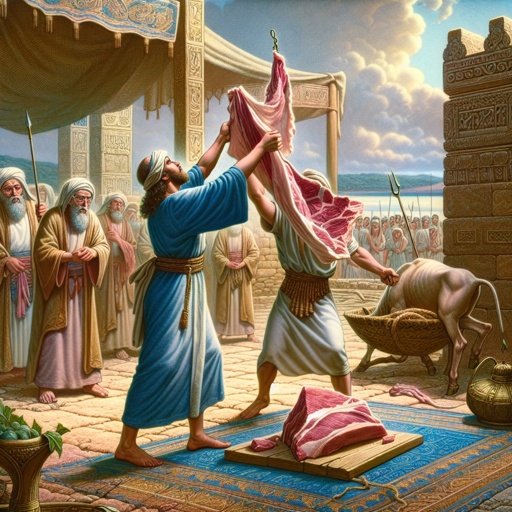
Leviticus 7:30 - "His own hands shall bring the offerings of the LORD made by fire, the fat with the breast, it shall he bring, that the breast may be waved for a wave offering before the LORD."

Jeremiah 30:4 - "¶ And these are the words that the LORD spake concerning Israel and concerning Judah."