The Sweet Savor of Atonement
“And he shall take away all the fat thereof, as the fat is taken away from off the sacrifice of peace offerings; and the priest shall burn it upon the altar for a sweet savour unto the LORD; and the priest shall make an atonement for him, and it shall be forgiven him.” — Leviticus 4:31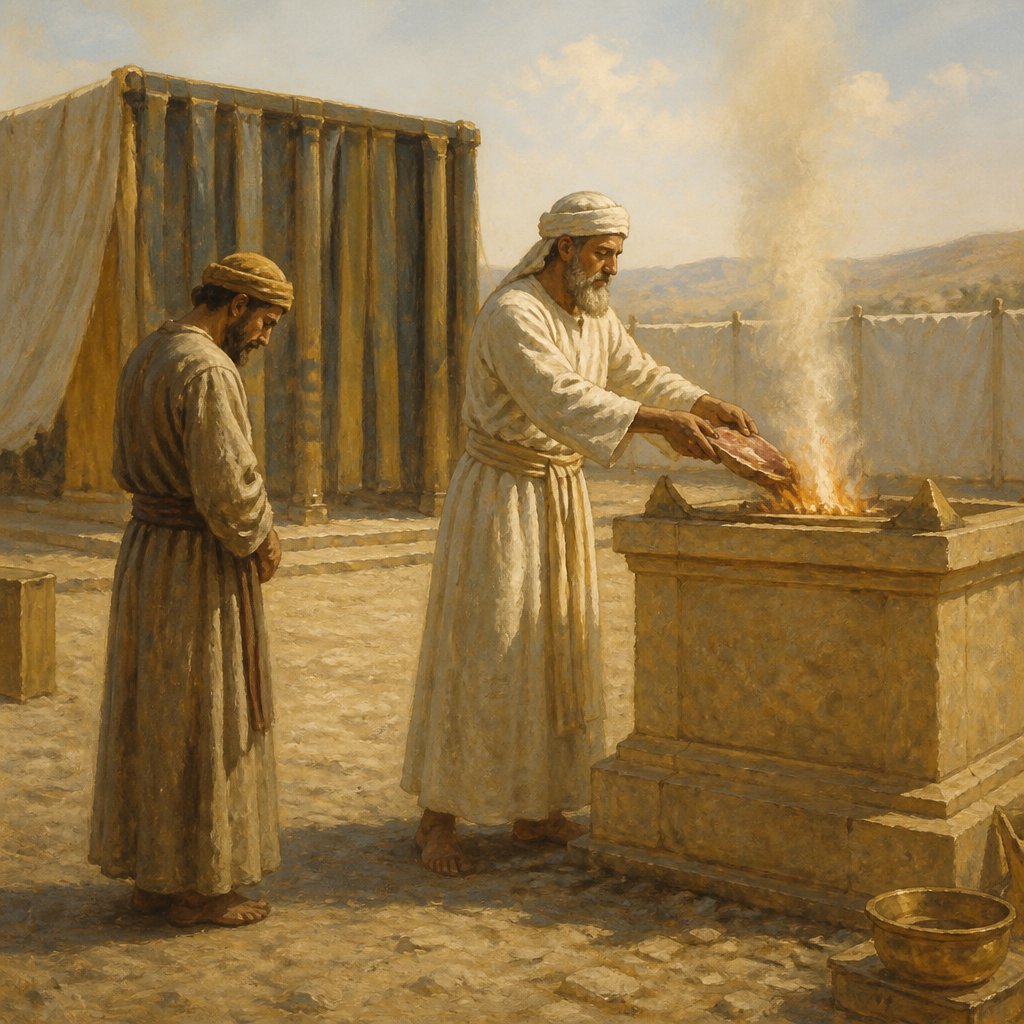
In Leviticus 4:31 we find a profound portrayal of the sacrificial system that God instituted for the Israelites, “And he shall take away all the fat thereof, as the fat is taken away from off the sacrifice of peace offerings; and the priest shall burn it upon the altar for a sweet savour unto the LORD; and the priest shall make an atonement for him, and it shall be forgiven him.” This verse encapsulates the essence of atonement, sacrifice, and the deep-seated desire of God to be in right relationship with His people.
The context of this verse ties back to the broader sacrificial laws outlined in Leviticus. The fat of the animals was considered the best part, signifying abundance and richness. When the priest removes the fat to offer it to the Lord, it is not simply a matter of getting rid of something; it is an act of reverence and gratitude. The fat represents the excess, the abundance in life that should be set aside to honor God. In our own lives, what are the ‘fats’ we can offer? Are they our time, resources, talents, or the best of our efforts in worship? God desires us to give our best, not out of obligation, but as an expression of love and acknowledgment of His great goodness.
The act of burning the fat upon the altar is described as producing a “sweet savour,” which indicates divine pleasure. It’s a powerful picture of God’s satisfaction from the offering. When we dedicate our best to the Lord—our sacrifices, our service, and our worship—there is a fragrant response in heaven. Our devotion becomes a delightful aroma that ascends to God, illustrating His pleasure in our obedience and love.
Additionally, the priest’s role in making atonement is significant. In biblical times, priests acted as mediators between God and the people. Through their actions, they communicated God’s forgiveness and grace. Here we see that the act of removing the fat and burning it on the altar is linked to atonement and the forgiveness of sins. Just as the fat was a significant part of the offering, so too is the grace of God essential for our salvation. The sacrificial system was pointing towards the ultimate sacrifice of Jesus Christ, who became the atonement for our sins. Just as the fat was separated for the offering, sin must also be acknowledged and laid before God for us to experience the fullness of His grace.
When we reflect upon this verse, we recognize the unequivocal truth that God desires our hearts. It is not only about the physical act of sacrifice but about the intention behind it. Do we approach God with hearts full of gratitude, confessing our sinfulness and embracing His forgiveness? The process of atonement requires us to engage honestly in our spiritual walk, confronting areas where we may have left what God desires unoffered.
As we think about the things in our lives that we can give to God—the time we designate in prayer, the resources we use in service, our talents deployed to bless others—it is essential to remember the atonement that is granted to us through Christ. Our peace offerings today are not about animals on an altar but living sacrifices of our very selves, as Paul urges in Romans 12:1.
May our lives be lived with a conscious awareness of the sweet savour we can offer God. As we bring our best before Him and recognize the fullness of His atonement, we experience forgiveness and renewal. God is inviting us into deeper intimacy with Him, a journey marked by sacrificial love and grace. Embrace this truth today: in the offering, there is atonement; in the atonement, there is forgiveness; and in forgiveness, there is life everlasting.
Get our apps


Artwork for Leviticus 4:31

Leviticus 4:31 - "And he shall take away all the fat thereof, as the fat is taken away from off the sacrifice of peace offerings; and the priest shall burn it upon the altar for a sweet savour unto the LORD; and the priest shall make an atonement for him, and it shall be forgiven him."
"And he shall take away all the fat thereof, as the fat is taken away from off the sacrifice of peace offerings; and the priest shall burn it upon the altar for a sweet savour unto the LORD; and the priest shall make an atonement for him, and it shall be forgiven him." - Leviticus 4:31

Leviticus 7:31 - "And the priest shall burn the fat upon the altar: but the breast shall be Aaron's and his sons'."

Leviticus 22:31 - "Therefore shall ye keep my commandments, and do them: I am the LORD."

Leviticus 16:31 - "It shall be a sabbath of rest unto you, and ye shall afflict your souls, by a statute for ever."

Leviticus 27:31 - "And if a man will at all redeem ought of his tithes, he shall add thereto the fifth part thereof."

Leviticus 23:31 - "Ye shall do no manner of work: it shall be a statute for ever throughout your generations in all your dwellings."

Leviticus 11:31 - "These are unclean to you among all that creep: whosoever doth touch them, when they be dead, shall be unclean until the even."

Leviticus 19:31 - "¶ Regard not them that have familiar spirits, neither seek after wizards, to be defiled by them: I am the LORD your God."

Leviticus 15:31 - "Thus shall ye separate the children of Israel from their uncleanness; that they die not in their uncleanness, when they defile my tabernacle that is among them."
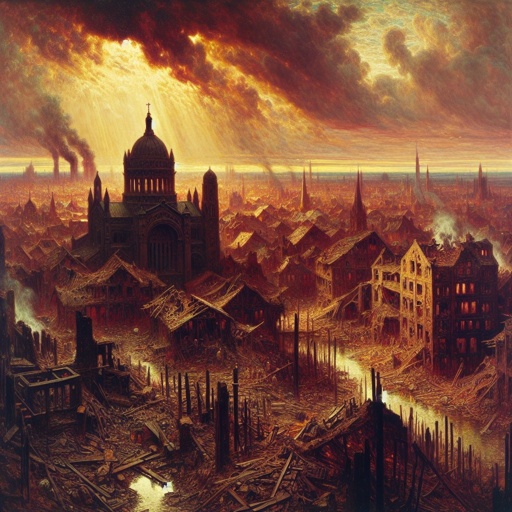
Leviticus 26:31 - "And I will make your cities waste, and bring your sanctuaries unto desolation, and I will not smell the savour of your sweet odours."

Leviticus 26: 4-6

Leviticus 25:31 - "But the houses of the villages which have no wall round about them shall be counted as the fields of the country: they may be redeemed, and they shall go out in the jubile."

Leviticus 26: 4-6

Leviticus 26: 4-6

Leviticus 4:1 - "And the LORD spake unto Moses, saying,"

Leviticus 14:31 - "Even such as he is able to get, the one for a sin offering, and the other for a burnt offering, with the meat offering: and the priest shall make an atonement for him that is to be cleansed before the LORD."
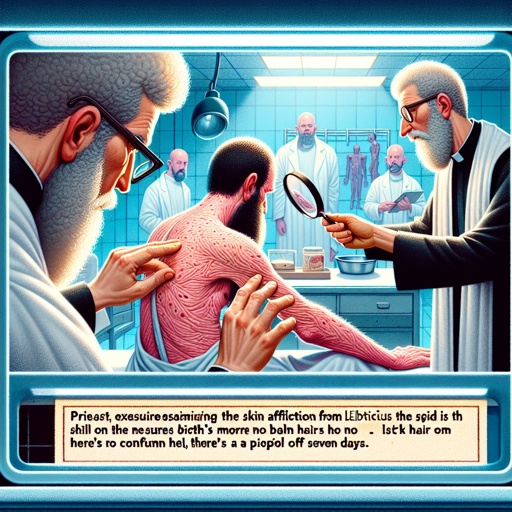
Leviticus 13:31 - "And if the priest look on the plague of the scall, and, behold, it be not in sight deeper than the skin, and that there is no black hair in it; then the priest shall shut up him that hath the plague of the scall seven days:"

Galatians 4:31 - "So then, brethren, we are not children of the bondwoman, but of the free."

Leviticus 27:4 - "And if it be a female, then thy estimation shall be thirty shekels."

Exodus 31:4 - "To devise cunning works, to work in gold, and in silver, and in brass,"

Leviticus 8:31 - "¶ And Moses said unto Aaron and to his sons, Boil the flesh at the door of the tabernacle of the congregation: and there eat it with the bread that is in the basket of consecrations, as I commanded, saying, Aaron and his sons shall eat it."

Leviticus 4:16 - "And the priest that is anointed shall bring of the bullock's blood to the tabernacle of the congregation:"
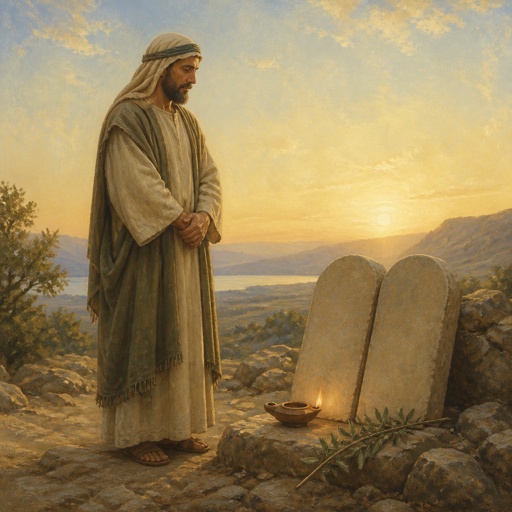
"Therefore shall ye keep my commandments, and do them: I am the LORD." - Leviticus 22:31
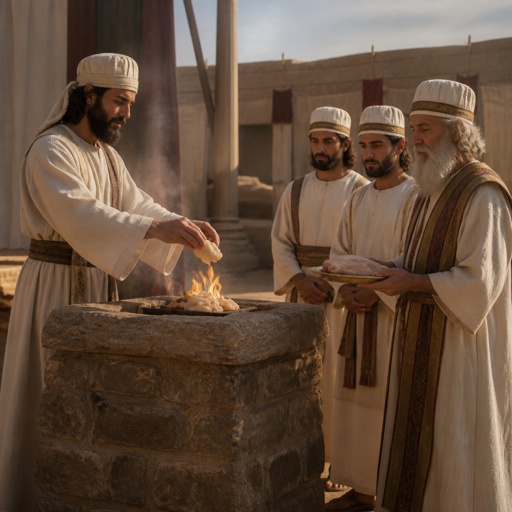
"And the priest shall burn the fat upon the altar: but the breast shall be Aaron's and his sons'." - Leviticus 7:31

Job 31:4 - "Doth not he see my ways, and count all my steps?"

Genesis 31:4 - "And Jacob sent and called Rachel and Leah to the field unto his flock,"

John 4:31 - "¶ In the mean while his disciples prayed him, saying, Master, eat."

Luke 4:31 - "And came down to Capernaum, a city of Galilee, and taught them on the sabbath days."
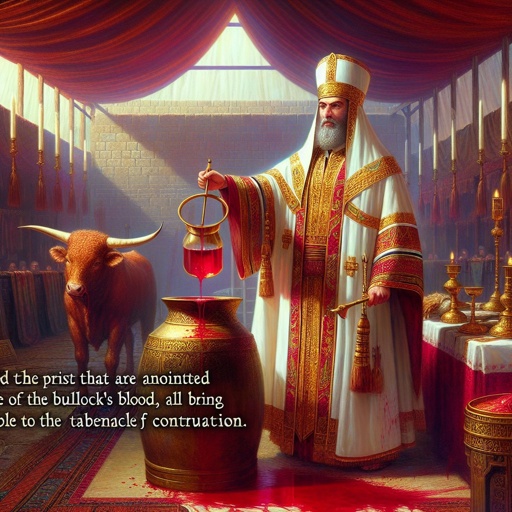
Leviticus 4:5 - "And the priest that is anointed shall take of the bullock's blood, and bring it to the tabernacle of the congregation:"