What does Leviticus 4:31 mean?
“And he shall take away all the fat thereof, as the fat is taken away from off the sacrifice of peace offerings; and the priest shall burn it upon the altar for a sweet savour unto the LORD; and the priest shall make an atonement for him, and it shall be forgiven him.” — Leviticus 4:31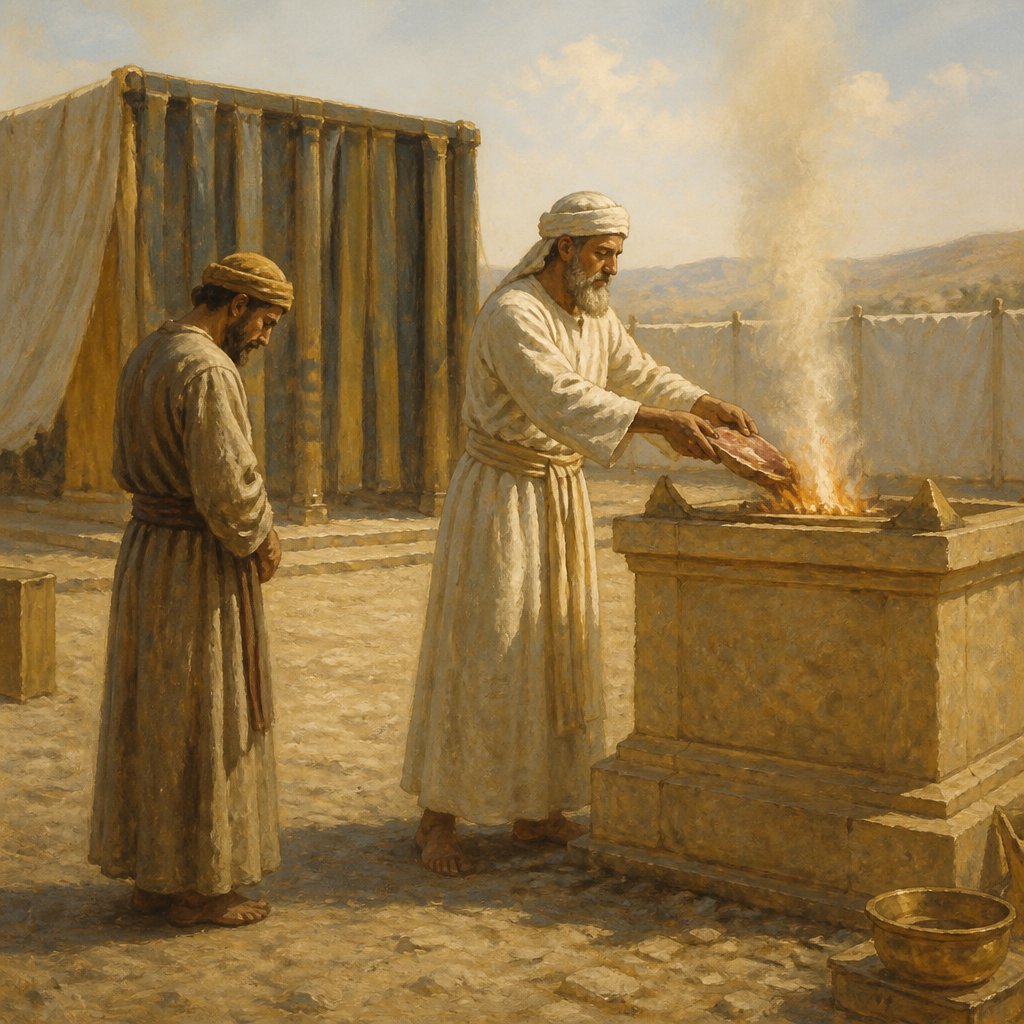
Leviticus 4:31 from the King James Version of the Bible states, "And he shall take away all the fat thereof, as the fat is taken away from off the sacrifice of peace offerings; and the priest shall burn it upon the altar for a sweet savour unto the LORD; and the priest shall make an atonement for him, and it shall be forgiven him."
This verse comes from the book of Leviticus, which is the third book of the Hebrew Bible and the Old Testament. The book of Leviticus is primarily concerned with the religious laws and rituals of the ancient Israelites. Leviticus 4:31 specifically addresses the process of atonement for unintentional sins or transgressions, and outlines the steps required for the individual to seek forgiveness and reconciliation with God.
The verse begins with the directive for the individual to take away all the fat from the sacrifice, as it is done with the peace offerings. In the context of ancient Israelite sacrificial practices, fat was considered to be the best part of the animal and was often reserved for God as a symbol of giving the best to Him. Removing the fat from the sacrifice and burning it on the altar was a prescribed act of worship and devotion to God.
The act of burning the fat upon the altar is described as producing a "sweet savour unto the LORD." This imagery of a pleasing aroma has deep symbolic significance, as it represents the idea of the sacrifice being acceptable and pleasing to God. In ancient Near Eastern cultures, the aroma of burning sacrifices was believed to ascend to the heavens and reach the divine realm, signifying the communication between humanity and the divine.
Following the burning of the fat, the priest is instructed to make an atonement for the individual, and through this act, the individual's sin is forgiven. The concept of atonement in the Old Testament is closely tied to the idea of reconciliation and restoration of the broken relationship between the individual and God. The process of atonement involved the offering of sacrifices and the mediation of the priest, who acted as a representative of the people before God.
One of the key themes in Leviticus 4:31 is the idea of atonement for sin. The passage highlights the seriousness of sin and the need for reconciliation with God. It underscores the belief that sin creates a barrier between humans and God, and atonement is necessary to restore the broken relationship. The imagery of the burnt offering ascending as a pleasing aroma to the LORD symbolizes the restoration of harmony and communion with the divine.
Another significant theme in this verse is the role of the priest as a mediator between the individual and God. The priest serves as the intermediary through whom the atonement is made, and it is through his actions that the individual is able to obtain forgiveness and reconciliation. This highlights the importance of the priestly office in the religious and spiritual life of the Israelites, as well as the significance of proper ritual observance and adherence to the religious laws.
In a broader context, Leviticus 4:31 also points to the sacrificial system and the central role it played in the religious life of ancient Israel. Sacrifice was a fundamental aspect of Israelite worship, and it served as the primary means of atonement for sin and as a way to express devotion and gratitude to God. The rituals and practices outlined in this verse were central to the religious identity and faith of the Israelite community.
Overall, Leviticus 4:31 carries deep significance in terms of its theological, symbolic, and ritual implications. It emphasizes the need for atonement and reconciliation with God, the role of the priest as a mediator, and the centrality of sacrifice in the religious life of the ancient Israelites. It also carries broader implications for understanding the nature of sin, forgiveness, and the relationship between humanity and the divine in the Judeo-Christian tradition.
Get our apps


Artwork for Leviticus 4:31

Leviticus 4:31 - "And he shall take away all the fat thereof, as the fat is taken away from off the sacrifice of peace offerings; and the priest shall burn it upon the altar for a sweet savour unto the LORD; and the priest shall make an atonement for him, and it shall be forgiven him."
"And he shall take away all the fat thereof, as the fat is taken away from off the sacrifice of peace offerings; and the priest shall burn it upon the altar for a sweet savour unto the LORD; and the priest shall make an atonement for him, and it shall be forgiven him." - Leviticus 4:31

Leviticus 7:31 - "And the priest shall burn the fat upon the altar: but the breast shall be Aaron's and his sons'."

Leviticus 22:31 - "Therefore shall ye keep my commandments, and do them: I am the LORD."

Leviticus 16:31 - "It shall be a sabbath of rest unto you, and ye shall afflict your souls, by a statute for ever."

Leviticus 27:31 - "And if a man will at all redeem ought of his tithes, he shall add thereto the fifth part thereof."

Leviticus 23:31 - "Ye shall do no manner of work: it shall be a statute for ever throughout your generations in all your dwellings."

Leviticus 11:31 - "These are unclean to you among all that creep: whosoever doth touch them, when they be dead, shall be unclean until the even."

Leviticus 19:31 - "¶ Regard not them that have familiar spirits, neither seek after wizards, to be defiled by them: I am the LORD your God."

Leviticus 15:31 - "Thus shall ye separate the children of Israel from their uncleanness; that they die not in their uncleanness, when they defile my tabernacle that is among them."
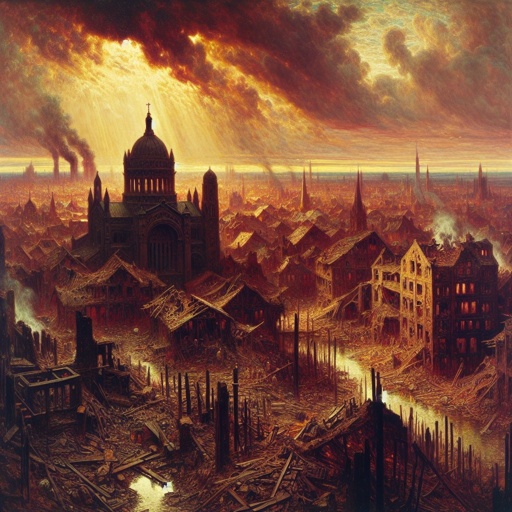
Leviticus 26:31 - "And I will make your cities waste, and bring your sanctuaries unto desolation, and I will not smell the savour of your sweet odours."

Leviticus 26: 4-6

Leviticus 25:31 - "But the houses of the villages which have no wall round about them shall be counted as the fields of the country: they may be redeemed, and they shall go out in the jubile."

Leviticus 26: 4-6

Leviticus 26: 4-6

Leviticus 4:1 - "And the LORD spake unto Moses, saying,"

Leviticus 14:31 - "Even such as he is able to get, the one for a sin offering, and the other for a burnt offering, with the meat offering: and the priest shall make an atonement for him that is to be cleansed before the LORD."
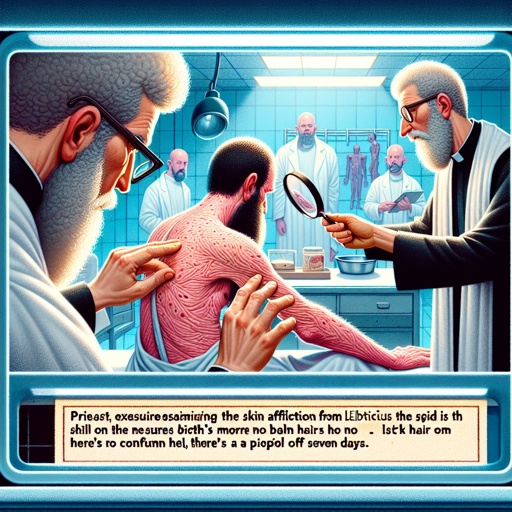
Leviticus 13:31 - "And if the priest look on the plague of the scall, and, behold, it be not in sight deeper than the skin, and that there is no black hair in it; then the priest shall shut up him that hath the plague of the scall seven days:"

Galatians 4:31 - "So then, brethren, we are not children of the bondwoman, but of the free."

Leviticus 27:4 - "And if it be a female, then thy estimation shall be thirty shekels."

Exodus 31:4 - "To devise cunning works, to work in gold, and in silver, and in brass,"

Leviticus 8:31 - "¶ And Moses said unto Aaron and to his sons, Boil the flesh at the door of the tabernacle of the congregation: and there eat it with the bread that is in the basket of consecrations, as I commanded, saying, Aaron and his sons shall eat it."

Leviticus 4:16 - "And the priest that is anointed shall bring of the bullock's blood to the tabernacle of the congregation:"
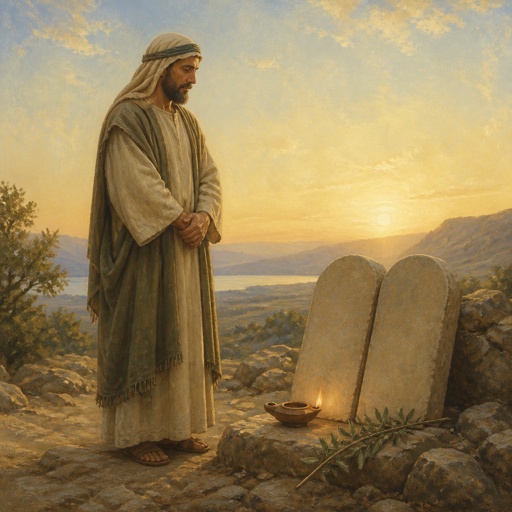
"Therefore shall ye keep my commandments, and do them: I am the LORD." - Leviticus 22:31
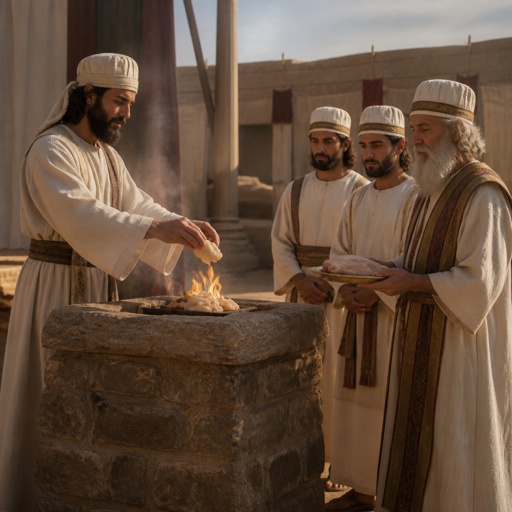
"And the priest shall burn the fat upon the altar: but the breast shall be Aaron's and his sons'." - Leviticus 7:31

Job 31:4 - "Doth not he see my ways, and count all my steps?"

Genesis 31:4 - "And Jacob sent and called Rachel and Leah to the field unto his flock,"

John 4:31 - "¶ In the mean while his disciples prayed him, saying, Master, eat."

Luke 4:31 - "And came down to Capernaum, a city of Galilee, and taught them on the sabbath days."
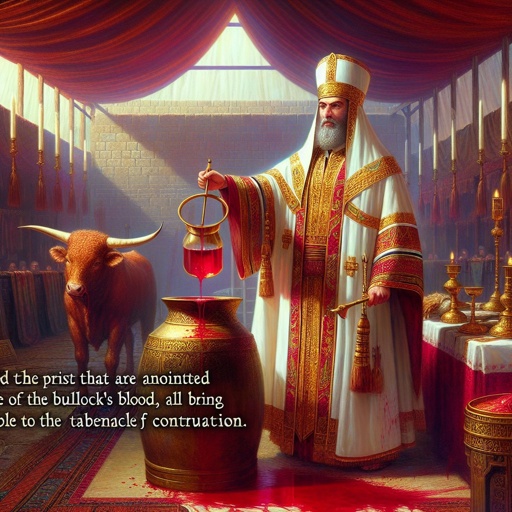
Leviticus 4:5 - "And the priest that is anointed shall take of the bullock's blood, and bring it to the tabernacle of the congregation:"