Atonement and Forgiveness: Lessons from Leviticus 5:10
“And he shall offer the second for a burnt offering, according to the manner: and the priest shall make an atonement for him for his sin which he hath sinned, and it shall be forgiven him.” — Leviticus 5:10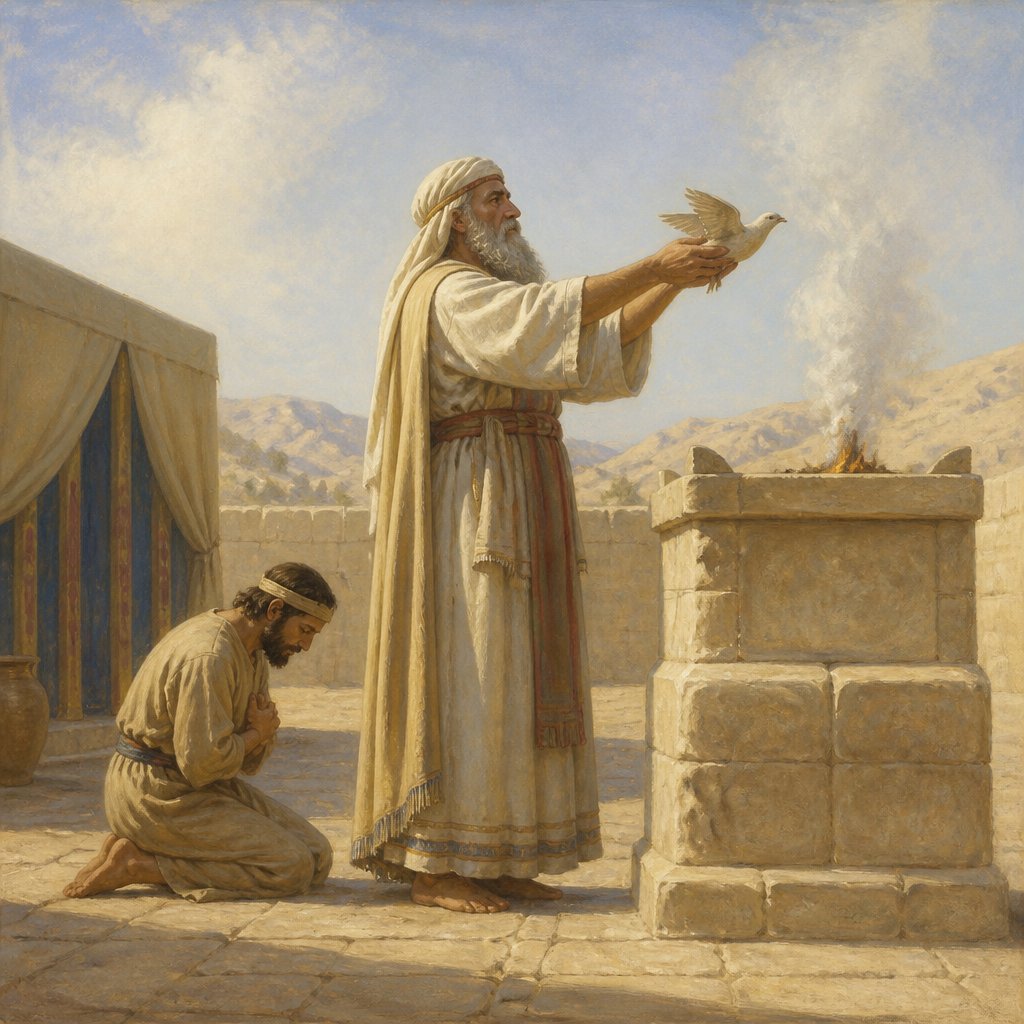
In the book of Leviticus, we find ourselves in the heart of God’s covenantal relationship with His people. Chapter 5 specifically addresses certain trespasses that require acknowledgment and atonement, emphasizing the seriousness with which God regards sin and the necessary steps towards reconciliation. Leviticus 5:10 states, "And he shall offer the second for a burnt offering, according to the manner: and the priest shall make an atonement for him for his sin which he hath sinned, and it shall be forgiven him." This verse encapsulates profound truths about sin, sacrifice, and the boundless grace of God.
**Understanding the Context of Atonement**
To grasp the depth of Leviticus 5:10, we must first understand the significance of atonement in the ancient Israelite culture. Atonement was not merely a ritual; it was an essential practice that restored the relationship between God and His people. The sacrificial system established rules and regulations that outlined how sin could be dealt with through offering sacrifices. The burnt offering, in specific, was a complete offering to God, symbolizing total devotion and submission to His will. It was meant for forgiveness, purification, and restoration.
In this passage, the individual who has sinned is required to bring a second offering, indicating the seriousness of their wrongdoing. It speaks volumes about taking personal responsibility for our actions. Sin creates a chasm between us and God, and while we might desire forgiveness, it often comes with a cost—the cost of sacrifice. In modernity, this translates into recognizing our sins and understanding the weight of our actions.
**The Role of the Priest**
The priest's role in atonement is equally noteworthy. The priest acts as an intermediary between the sinner and God, which echoes the theme of mediation found throughout Scripture. In the New Testament, we see a perfect fulfillment of this role in Jesus Christ, the Great High Priest, who, through His ultimate sacrifice, bridged the gap between humanity and God. Much like the priest in Leviticus, Christ intercedes for us, offering Himself as a once-and-for-all sacrifice.
In Hebrews 10:14, it affirms this truth, saying, "For by one offering he hath perfected for ever them that are sanctified." Our acknowledgment of sin and the subsequent offering of our hearts in repentance brings us back into alignment with God’s will—a practice not limited to ancient Israel, but vital for believers today.
**Forgiveness: A Gift and a Call to Action**
At the close of Leviticus 5:10, we find tremendous comfort in these words: "and it shall be forgiven him." This declaration of forgiveness is not merely the end of the process but a powerful reminder of God's grace. It illustrates that regardless of the depth of our sins, God's ability to forgive is vast and unending. However, forgiveness is not granted without sincerity or repentance. It is a gift bestowed upon those who earnestly seek it, acknowledging their sinfulness and their need for divine mercy.
Moreover, being forgiven carries a responsibility. It calls us to live lives that reflect gratitude and obedience to God. When we understand the cost of our sin and the grace we receive, we are compelled to extend the same grace to others. Our forgiveness becomes a testimony to the transformative power of God's love, urging others to seek the same restoration.
**Application in Daily Life**
As we reflect on Leviticus 5:10, we must ask ourselves: what sins do we need to bring before God? Are there areas in our lives where we have fallen short and need to acknowledge our wrongdoings? Like ancient Israel, we are called to bring our offerings—not necessarily in the form of burnt sacrifices, but through the sacrifice of our pride and the willingness to admit our faults.
Let us remember that through Christ, we have a direct line to the Father, and He longs for us to come to Him in our brokenness. So, let us approach His throne, recognizing the magnitude of His forgiveness and the beauty of atonement. The path may require humility and honesty, but it leads to the freeing embrace of grace, restoring our relationship with the One who loves us dearly. May we constantly strive to offer our lives as living sacrifices, holy and pleasing to God, in response to the incredible gift of forgiveness we have received.
Get our apps


Artwork for Leviticus 5:10
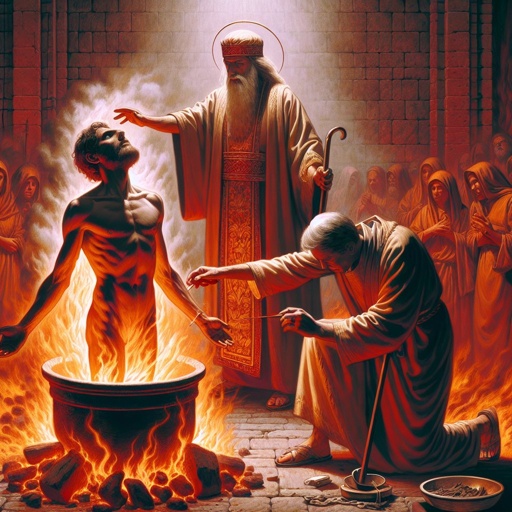
Leviticus 5:10 - "And he shall offer the second for a burnt offering, according to the manner: and the priest shall make an atonement for him for his sin which he hath sinned, and it shall be forgiven him."
"And he shall offer the second for a burnt offering, according to the manner: and the priest shall make an atonement for him for his sin which he hath sinned, and it shall be forgiven him." - Leviticus 5:10

Leviticus 10:5 - "So they went near, and carried them in their coats out of the camp; as Moses had said."
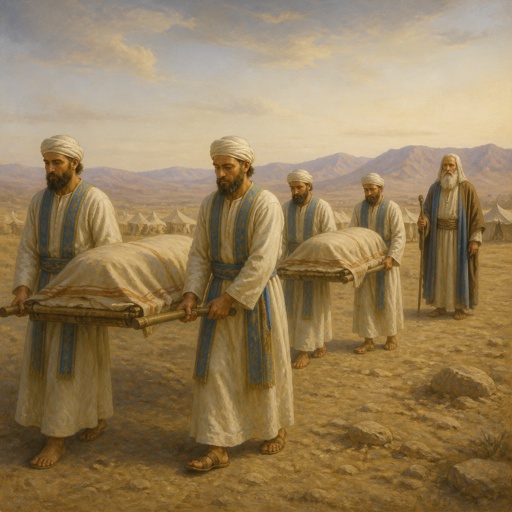
"So they went near, and carried them in their coats out of the camp; as Moses had said." - Leviticus 10:5

Leviticus 10:10 - "And that ye may put difference between holy and unholy, and between unclean and clean;"

leviticus 16:7-10

Leviticus 10:20 - "And when Moses heard that, he was content."
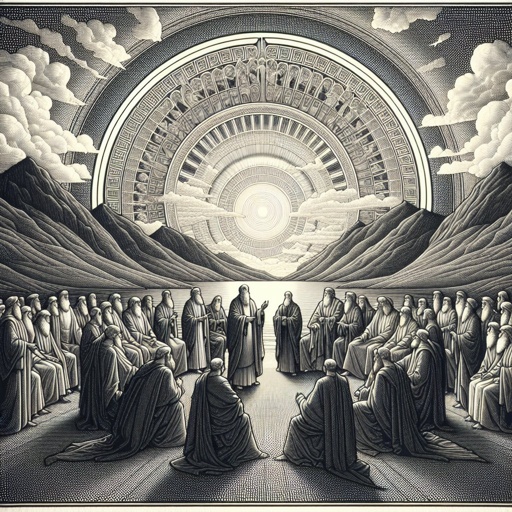
Leviticus 10:8 - "¶ And the LORD spake unto Aaron, saying,"
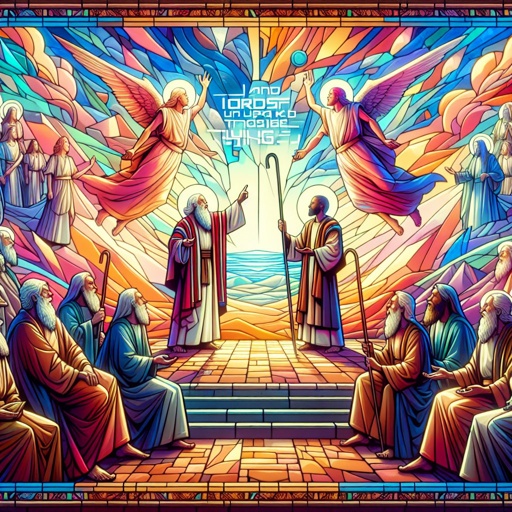
Leviticus 5:14 - "¶ And the LORD spake unto Moses, saying,"

Leviticus 5:5 - "And it shall be, when he shall be guilty in one of these things, that he shall confess that he hath sinned in that thing:"

Leviticus 23:5 - "In the fourteenth day of the first month at even is the LORD'S passover."

Leviticus 5:19 - "It is a trespass offering: he hath certainly trespassed against the LORD."

Leviticus 8:5 - "And Moses said unto the congregation, This is the thing which the LORD commanded to be done."
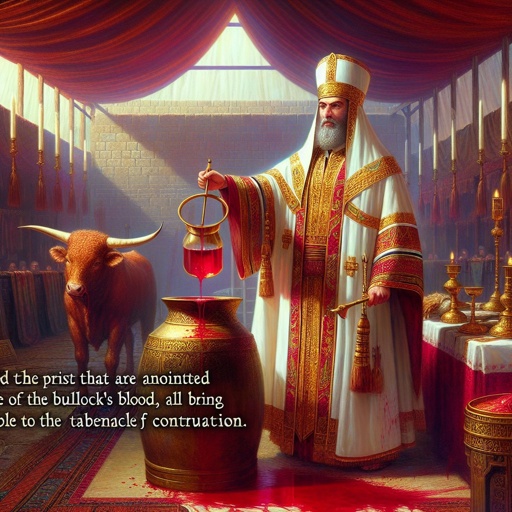
Leviticus 4:5 - "And the priest that is anointed shall take of the bullock's blood, and bring it to the tabernacle of the congregation:"

Leviticus 10:2 - "And there went out fire from the LORD, and devoured them, and they died before the LORD."

Leviticus 26:10 - "And ye shall eat old store, and bring forth the old because of the new."

Leviticus 8:10 - "And Moses took the anointing oil, and anointed the tabernacle and all that was therein, and sanctified them."

Hebrews 10:5-10

Hebrews 10:5-10

"¶ And the LORD spake unto Aaron, saying," - Leviticus 10:8
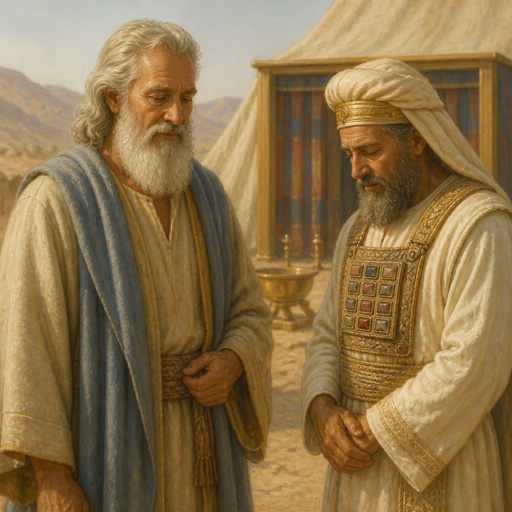
"And when Moses heard that, he was content." - Leviticus 10:20

Leviticus 14:5 - "And the priest shall command that one of the birds be killed in an earthen vessel over running water:"

Leviticus 11:5 - "And the coney, because he cheweth the cud, but divideth not the hoof; he is unclean unto you."

Leviticus 19:5 - "¶ And if ye offer a sacrifice of peace offerings unto the LORD, ye shall offer it at your own will."

"¶ And the LORD spake unto Moses, saying," - Leviticus 5:14
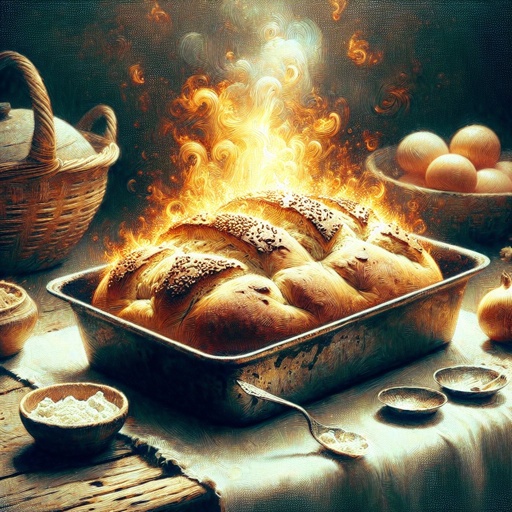
Leviticus 2:5 - "¶ And if thy oblation be a meat offering baken in a pan, it shall be of fine flour unleavened, mingled with oil."

Luke 10:5

Luke 10:5
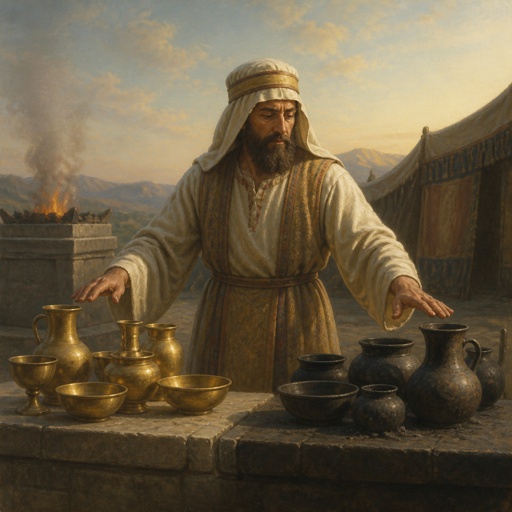
"And that ye may put difference between holy and unholy, and between unclean and clean;" - Leviticus 10:10

Luke 10:5