Feasting on the Holiness of God: The Significance of Sacred Offerings
“All the males among the priests shall eat thereof: it is most holy.” — Leviticus 6:29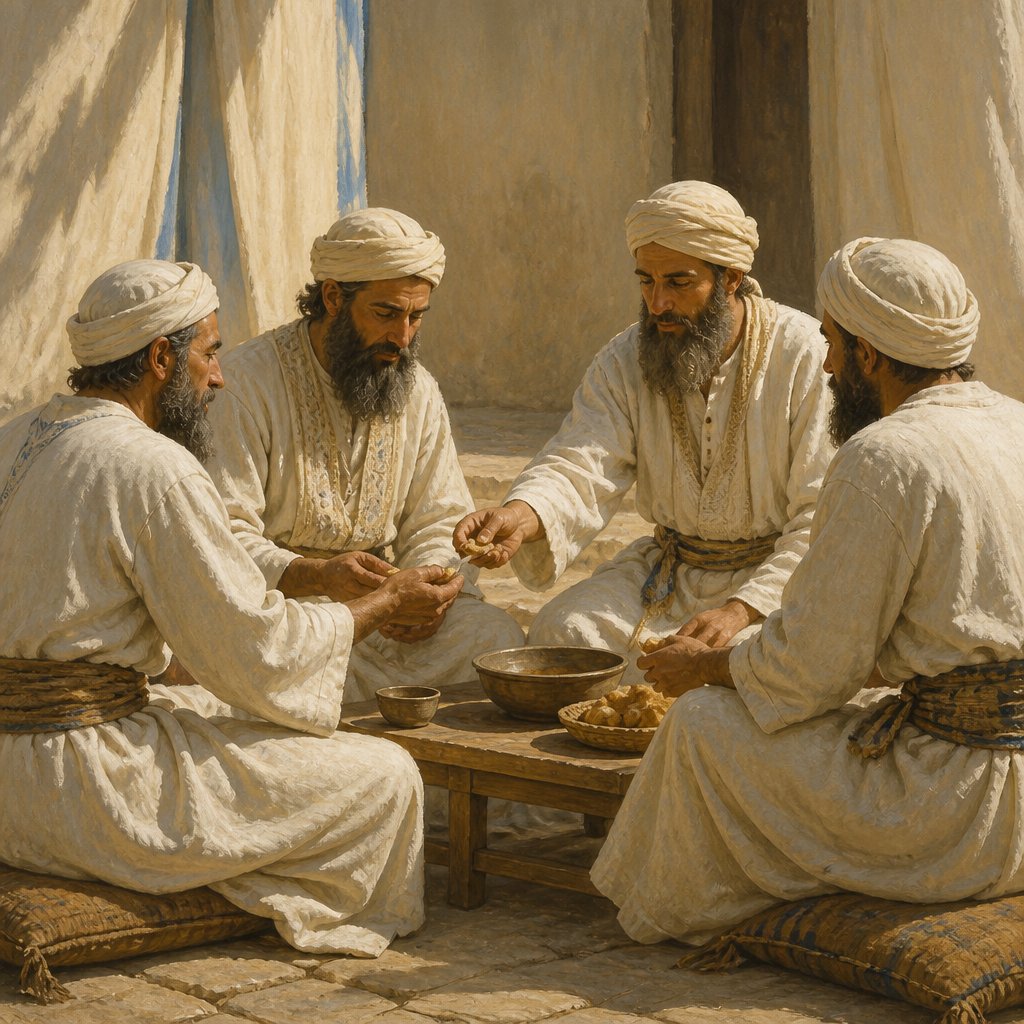
As we delve into Leviticus 6:29, "All the males among the priests shall eat thereof: it is most holy," we are reminded of the profound significance of holiness in our relationship with God. This commandment is enclosed within the intricate laws given to the Israelites, framed against the backdrop of sacred ritual and divine expectation. In these words, we discover depth that extends beyond mere dietary laws, inviting us to explore the nature of holiness and our priestly identity in Christ.
The passage emphasizes that it is the males among the priests who are commanded to partake of the sacred offerings. This distinction might seem archaic or culturally bound, but it symbolizes a deeper spiritual truth: that those who are called to lead and minister in the name of the Lord must also partake in the holy things of God. It reflects on a spiritual principle that service to God carries with it the responsibility to intimately know and understand the holiness of what we serve.
In the ancient Hebrew context, the priests acted as intermediaries between God and the people. Their eating of the offerings represents their deep connection with God’s covenant promises and the sacred role they held in the community. To partake of that which was deemed "most holy" signifies a shared experience of divine grace and holiness. It is a reminder that holiness is not an abstract concept reserved for the heavens; rather, it is a quality that is meant to be experienced and embodied in our lives.
In today’s world, as Christians, we too have been made priests—1 Peter 2:9 states, "But ye are a chosen generation, a royal priesthood, an holy nation, a peculiar people; that ye should shew forth the praises of him who hath called you out of darkness into his marvellous light." As we accept our identity in Christ, we are invited to partake in the holiness of God, just as the priests of old partook in the sacred offerings.
What does it mean for us to feast on that which is most holy? It begins with an understanding of what God considers sacred. The sacrificial offerings in Leviticus were, in large part, expressions of thanksgiving, atonement, and devotion. We too are called to bring our offerings to God—not merely in the form of literal sacrifices, but as offerings of our lives, our time, and our worship.
The invitation to eat of the holy offerings was meant to foster a deep fellowship with God. When we come before Him in worship and surrender, we participate in a divine banquet where grace flows abundantly. It generates a sense of belonging, acceptance, and profound intimacy. Paul reminds us in Romans 12:1 to offer our bodies as living sacrifices, holy and pleasing to God. This is our spiritual act of worship, and in doing so, we engage in a feasting that nourishes our spirit and connects us intimately with our Creator.
In addition, the holiness of the offerings speaks to the nature of our God. To know Him is to understand that He is set apart, transcendent, and yet intimately engaged with His creation. Eating those offerings symbolizes acceptance into that divine holiness, a reminder of the grace extended to us through Christ, our ultimate High Priest. In Jesus, the veil has been torn, allowing us direct access to the Holy of Holies where we can encounter God personally.
As we reflect on Leviticus 6:29, let us consider what it means for us to participate in this holy calling. Are there areas in our lives where we need to offer ourselves more wholly to God? What practices will help us engage deeply with His holiness?
May we draw near to Him with reverence and open hearts, taking joy in the abundance of His grace and the privilege of being His priests, called to feast on the richness of His presence. In this sacred act, we find our true purpose and identity as those chosen to carry forth His holy message to the world.
Get our apps


Artwork for Leviticus 6:29

Leviticus 6:29 - "All the males among the priests shall eat thereof: it is most holy."
"All the males among the priests shall eat thereof: it is most holy." - Leviticus 6:29

Leviticus 13:29 - "¶ If a man or woman have a plague upon the head or the beard;"

Leviticus 22:29 - "And when ye will offer a sacrifice of thanksgiving unto the LORD, offer it at your own will."

Isaiah 29:6

Genesis 29-6

Leviticus 23:29 - "For whatsoever soul it be that shall not be afflicted in that same day, he shall be cut off from among his people."

Leviticus 26: 4-6

Leviticus 8:29 - "And Moses took the breast, and waved it for a wave offering before the LORD: for of the ram of consecration it was Moses' part; as the LORD commanded Moses."

Leviticus 19:29 - "¶ Do not prostitute thy daughter, to cause her to be a whore; lest the land fall to whoredom, and the land become full of wickedness."
Leviticus 26: 4-6

Leviticus 26: 4-6

Leviticus 18:29 - "For whosoever shall commit any of these abominations, even the souls that commit them shall be cut off from among their people."

Leviticus 4:29 - "And he shall lay his hand upon the head of the sin offering, and slay the sin offering in the place of the burnt offering."

Leviticus 14:29 - "And the rest of the oil that is in the priest's hand he shall put upon the head of him that is to be cleansed, to make an atonement for him before the LORD."
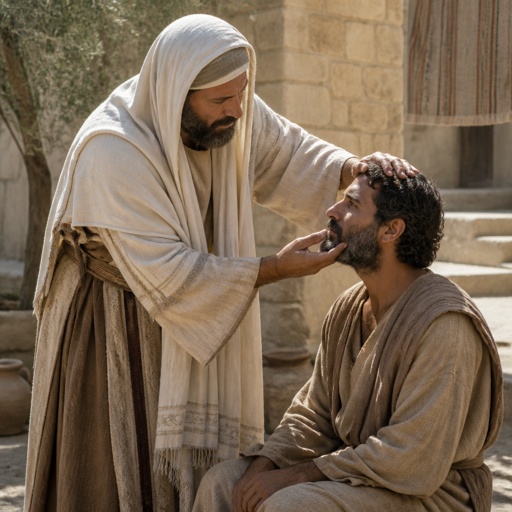
"¶ If a man or woman have a plague upon the head or the beard;" - Leviticus 13:29

Leviticus 6:24 - "¶ And the LORD spake unto Moses, saying,"

Leviticus 6:8 - "¶ And the LORD spake unto Moses, saying,"

Leviticus 6:19 - "¶ And the LORD spake unto Moses, saying,"

Leviticus 6:1 - "And the LORD spake unto Moses, saying,"

Leviticus 11:29 - "¶ These also shall be unclean unto you among the creeping things that creep upon the earth; the weasel, and the mouse, and the tortoise after his kind,"

Leviticus 15:29 - "And on the eighth day she shall take unto her two turtles, or two young pigeons, and bring them unto the priest, to the door of the tabernacle of the congregation."

Leviticus 27:29 - "None devoted, which shall be devoted of men, shall be redeemed; but shall surely be put to death." The image should not depict explicit or offensive content but be symbolic.

Leviticus 1:6 - "And he shall flay the burnt offering, and cut it into his pieces."

Leviticus 25:29 - "And if a man sell a dwelling house in a walled city, then he may redeem it within a whole year after it is sold; within a full year may he redeem it."

Leviticus 8:6 - "And Moses brought Aaron and his sons, and washed them with water."

Leviticus 2:6 - "Thou shalt part it in pieces, and pour oil thereon: it is a meat offering."

Matthew 6:29 expressed as a rose garden

Proverbs 29:6 - "In the transgression of an evil man there is a snare: but the righteous doth sing and rejoice."

Leviticus 6:23 - "For every meat offering for the priest shall be wholly burnt: it shall not be eaten."