The Divine Blueprint: Understanding Sacrifice and Consecration
“This is the law of the burnt offering, of the meat offering, and of the sin offering, and of the trespass offering, and of the consecrations, and of the sacrifice of the peace offerings;” — Leviticus 7:37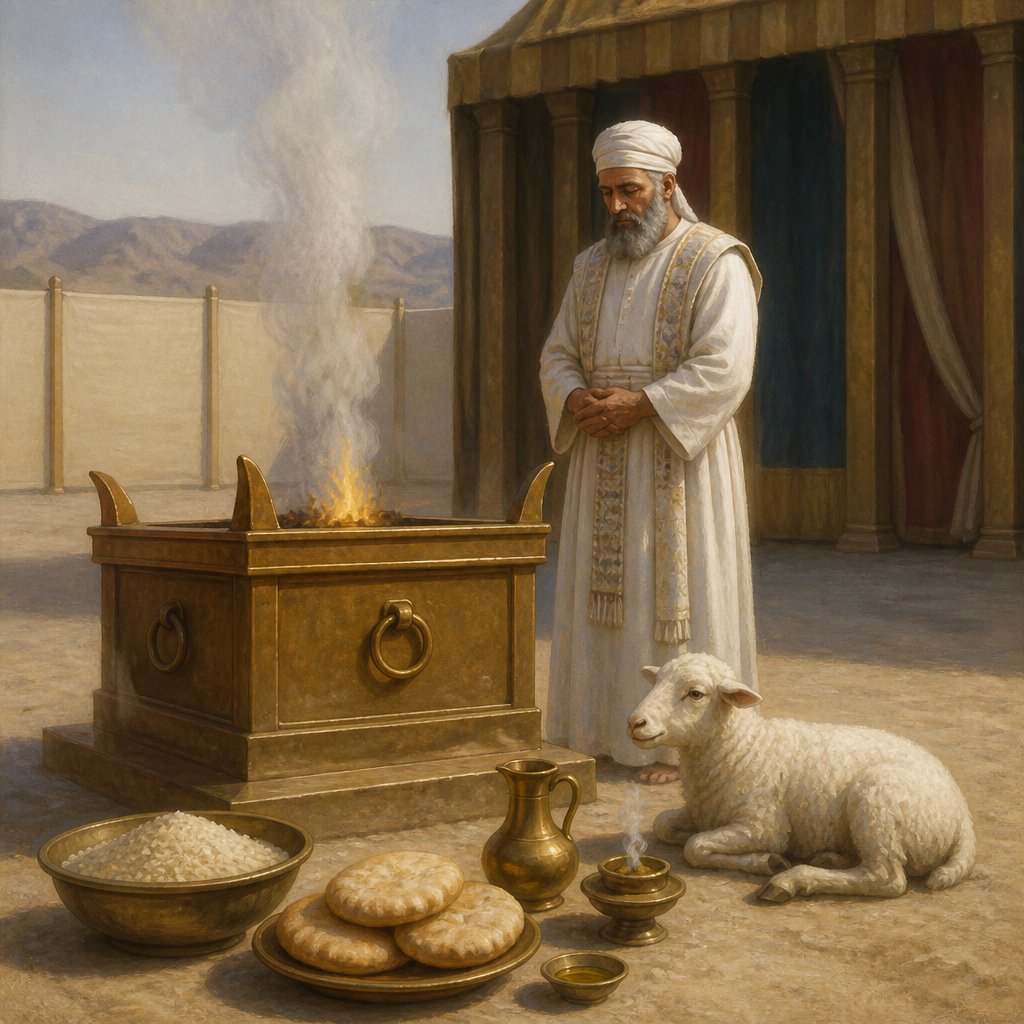
Leviticus 7:37 states, "This is the law of the burnt offering, of the meat offering, and of the sin offering, and of the trespass offering, and of the consecrations, and of the sacrifice of the peace offerings." This passage encapsulates a significant portion of the Mosaic Law, detailing the various types of sacrifices that were prescribed for the people of Israel. While it may seem archaic to many contemporary readers and might evoke images of rituals that have little relevance today, an in-depth exploration reveals profound truths about our relationship with God, the nature of sacrifice, and the path to peace.
### The Nature of Sacrifice
First, we need to understand why sacrifice was such a pivotal part of the Israelite worship system. The sacrifices outlined in Leviticus served multiple purposes: they were about atonement, thanksgiving, and consecration. Each type of offering had a unique role. The burnt offering illustrated total surrender to God, symbolizing the worshipper’s dedication. The meat offering represented gratitude and acknowledgment of God’s provisions, while the sin and trespass offerings highlighted the need for atonement and reconciliation after missing the mark in God's eyes.
It is crucial to recognize that each of these offerings required a life. An animal had to be killed, and its blood was splattered on the altar, signifying the seriousness of sin and the cost of atonement. This practice points us toward the ultimate sacrifice made by Christ on the cross, where He became the Lamb of God, fulfilling the sacrificial system once and for all (John 1:29). As we ponder Leviticus 7:37, we should see it as a foreshadowing of the profound truth that our salvation was bought at a grave price.
### The Call to Consecration
Moreover, the term "consecrations" in this verse implies a response to being called out by God. To consecrate oneself involves setting apart for a sacred purpose, an act of dedicating ourselves to God’s will. In his letter to the Romans, Paul urges believers to present their bodies as "living sacrifices, holy, acceptable unto God" (Romans 12:1). Here, sacrifice shifts from the physical act of slaughter to a daily lifestyle of worship and service. Just as the Israelites were called to offer the best of their livestock, we are called to offer our best selves—our time, talents, and hearts—for His glory each day.
### The Peace Offerings
Among the offerings mentioned, the peace offering stands out as it signifies reconciliation and communion with God. This offering underscored the desire for a restored relationship and the joy of fellowship with the Lord. When we reflect on the peace offerings, we must consider the state of our hearts and our relationships with God and others. Jesus reminds us in Matthew 5:23-24 that reconciliation with our brethren is essential for our worship to be acceptable before God. It speaks to the holistic nature of our faith, where our dealings with others must reflect the reconciliation that we receive from God through Christ.
### Application to Our Lives
As modern-day Christians, we may not observe these specific sacrifices, but the spirit of these commandments is alive and well. The principles behind the law of offerings teach us about the seriousness of our sin, the holiness of God, and the importance of community and communion. We must examine our lives daily, are we living in a manner that reflects our relationship with Christ? Are we making sacrifices, not just in terms of our resources but also of our time and priorities, to nurture our relationship with Him?
In conclusion, Leviticus 7:37 serves as a beautiful reminder that worship is not merely about rituals, but about relationship—how we interact with God and each other in our daily lives. As we understand the weight and meaning of these sacrifices, may we be inspired to live lives of active worship, dedicated to God and anchored in His peace. Let us commit ourselves to being living sacrifices, stepping into His presence with gratitude and a desire for consecration.
Get our apps


Artwork for Leviticus 7:37

Leviticus 7:37 - "This is the law of the burnt offering, of the meat offering, and of the sin offering, and of the trespass offering, and of the consecrations, and of the sacrifice of the peace offerings;"
"This is the law of the burnt offering, of the meat offering, and of the sin offering, and of the trespass offering, and of the consecrations, and of the sacrifice of the peace offerings;" - Leviticus 7:37

John 7:37-39

John 7:37-39

Leviticus 11:37 - "And if any part of their carcase fall upon any sowing seed which is to be sown, it shall be clean."

Ezekiel 37:7

Psalms 37:7

Leviticus 25:37 - "Thou shalt not give him thy money upon usury, nor lend him thy victuals for increase."

Leviticus 19:37 - "Therefore shall ye observe all my statutes, and all my judgments, and do them: I am the LORD."

Mark 7:31-37

Ezekiel 37 1-7

Mark 7:31-37

Leviticus 14:37 - "And he shall look on the plague, and, behold, if the plague be in the walls of the house with hollow strakes, greenish or reddish, which in sight are lower than the wall;"

Leviticus 13:37 - "But if the scall be in his sight at a stay, and that there is black hair grown up therein; the scall is healed, he is clean: and the priest shall pronounce him clean."

Leviticus 17:7

Leviticus 26:37 - "And they shall fall one upon another, as it were before a sword, when none pursueth: and ye shall have no power to stand before your enemies."

1 Chronicles 7:37 - "Bezer, and Hod, and Shamma, and Shilshah, and Ithran, and Beera."

Nehemiah 7:37 - "The children of Lod, Hadid, and Ono, seven hundred twenty and one."

leviticus 16:7-10

Leviticus 7:22 - "¶ And the LORD spake unto Moses, saying,"

Leviticus 7:28 - "¶ And the LORD spake unto Moses, saying,"

Leviticus 7:1 - "Likewise this is the law of the trespass offering: it is most holy."

Leviticus 7:7 - "As the sin offering is, so is the trespass offering: there is one law for them: the priest that maketh atonement therewith shall have it."

Job 37:7 - "He sealeth up the hand of every man; that all men may know his work."

Leviticus 19:7 - "And if it be eaten at all on the third day, it is abominable; it shall not be accepted."
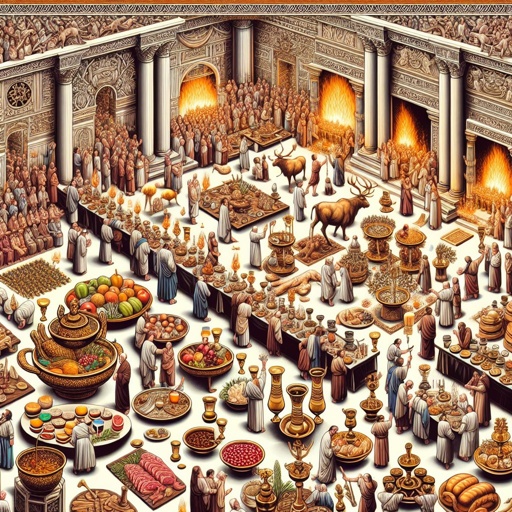
Leviticus 23:37 - "These are the feasts of the LORD, which ye shall proclaim to be holy convocations, to offer an offering made by fire unto the LORD, a burnt offering, and a meat offering, a sacrifice, and drink offerings, every thing upon his day:"

Leviticus 7:17 - "But the remainder of the flesh of the sacrifice on the third day shall be burnt with fire."
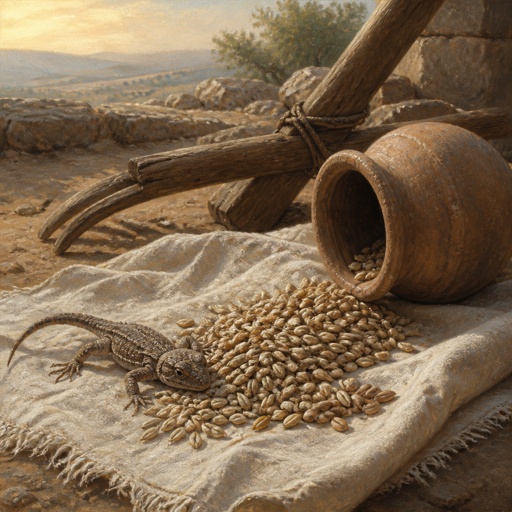
"And if any part of their carcase fall upon any sowing seed which is to be sown, it shall be clean." - Leviticus 11:37

Leviticus 3:7 - "If he offer a lamb for his offering, then shall he offer it before the LORD."

Leviticus 7:3 - "And he shall offer of it all the fat thereof; the rump, and the fat that covereth the inwards,"