The Sacrifice Beyond the Camp: Embracing the Cost of Holiness
“And the flesh and the hide he burnt with fire without the camp.” — Leviticus 9:11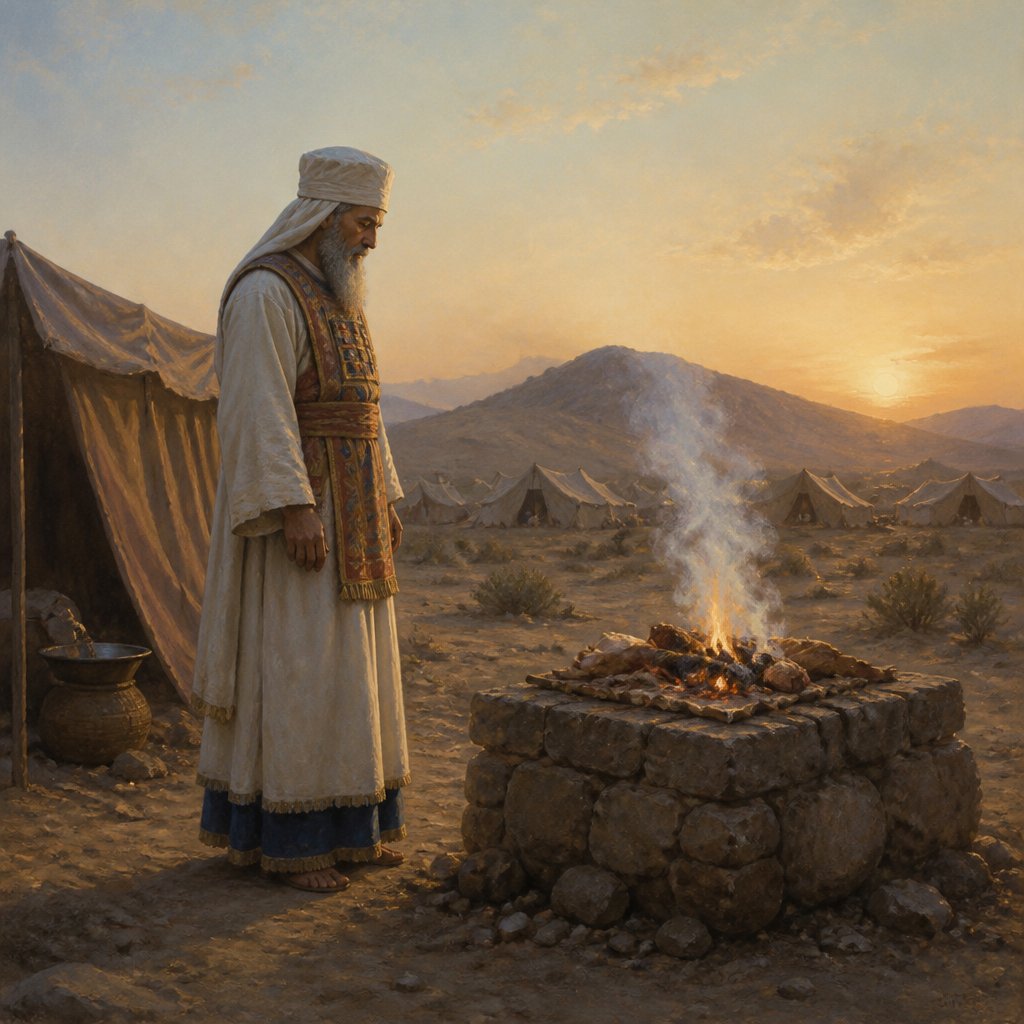
In Leviticus 9:11, we read, "And the flesh and the hide he burnt with fire without the camp." At first glance, this verse speaks only of an ancient ritual involving sacrifices made by the priests of Israel. However, upon deeper reflection, it reveals profound truths about the nature of sacrifice, God’s holiness, and our call to live set apart in a world that often feels like it is losing its way.
The context of this passage is essential for understanding its significance. This moment occurs during the inauguration of the priestly ministry of Aaron and his sons. God had laid out specific instructions for the consecration of the priests, and these sacrifices were pivotal in establishing them before God as holy representatives for the people. The animal’s flesh and hide being burned outside the camp is not a mere detail of the offering; it symbolizes the seriousness of sin and the lengths to which one must go to be right with God.
Burning the flesh and hide outside the camp serves multiple purposes: it represents the removal of sin, the acknowledgment of its consequences, and the genuine effort to honor God through purification. In this way, it draws a stark line between the sacred and the profane. The camp symbolized God’s presence among His people, while the act of burning outside the camp illustrated how sin must be dealt with—separated from the sanctity of God’s community.
This ritualistic act invites us to ponder the cost of holiness in our own lives. Jesus Christ, the ultimate sacrifice, was also taken outside the city walls to be crucified—echoing this separation. As we ponder Leviticus 9:11, we are reminded of the ultimate cost paid for our sins, wherein Jesus became our sacrifice, bearing the weight of sin without us having to.
Yet, there’s a more personal invitation in this scripture. As believers, we are called to live lives that reflect God’s holiness. Paul, in Romans 12:1, exhorts us, "I beseech you therefore, brethren, by the mercies of God, that ye present your bodies a living sacrifice, holy, acceptable unto God, which is your reasonable service." This service often requires that we willingly lay down parts of ourselves that do not align with God’s character—our former ways, desires, and any sin that hinders our relationship with Him.
Just as the flesh and hide were dealt with decisively, we are challenged to confront the parts of our lives that need to be 'burnt' away, perhaps by the fire of the Holy Spirit. It requires being vulnerable before God, allowing Him to illuminate dark areas in our lives, and bringing those before Him for purification. It resonates with Jesus’s teachings in Matthew 5:13-14, where He calls us to be the salt and light of the world; thus, we are to stand apart and be a reflection of His glory.
This concept of living outside the camp spans into the early Church’s experience as well. The disciples were often marginalized and faced persecution for their faith, standing as representatives of Christ, separate from the prevailing cultural norms. In Hebrews 13:13, we are further urged to go unto Him outside the camp, bearing His reproach. To live for Christ is to embrace a lifestyle of being different, set apart, and willing to face rejection in the pursuit of holiness.
As we contemplate Leviticus 9:11, let us not shy away from the elements of sacrifice in our walk with God. Let’s embrace the call to remove anything that keeps us from the fullness of life in Christ, allowing the fire of His love to purify and sanctify us. May we not only recognize the weight of our sacrifices but also celebrate the joy of being set apart, ensured that true holiness comes from a deep, abiding relationship with Him. God’s grace allows us the privilege to not only know Him intimately but also to reflect His glory in every aspect of our lives. Amen.
Get our apps


Artwork for Leviticus 9:11

Leviticus 9:11 - "And the flesh and the hide he burnt with fire without the camp."
"And the flesh and the hide he burnt with fire without the camp." - Leviticus 9:11

Leviticus 11:9 - "¶ These shall ye eat of all that are in the waters: whatsoever hath fins and scales in the waters, in the seas, and in the rivers, them shall ye eat."
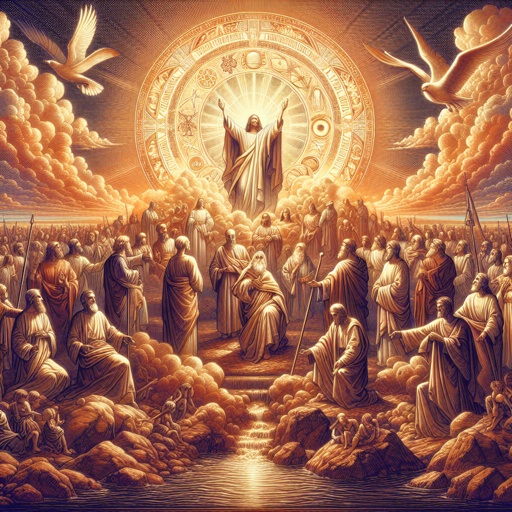
Leviticus 11:22
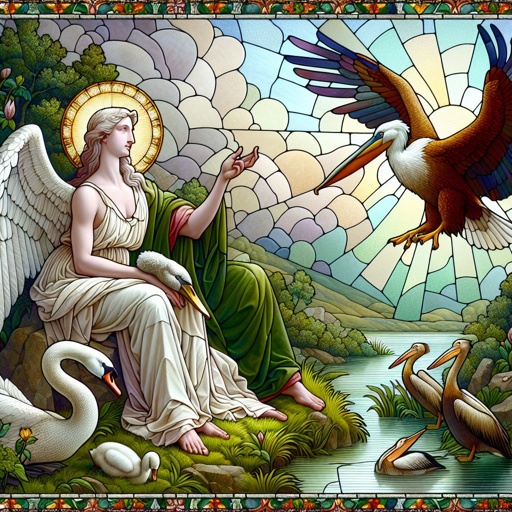
Leviticus 11:18 - "And the swan, and the pelican, and the gier eagle,"

Leviticus 11:17 - "And the little owl, and the cormorant, and the great owl,"

Leviticus 11:14 - "And the vulture, and the kite after his kind;"

Leviticus 11:15 - "Every raven after his kind;"
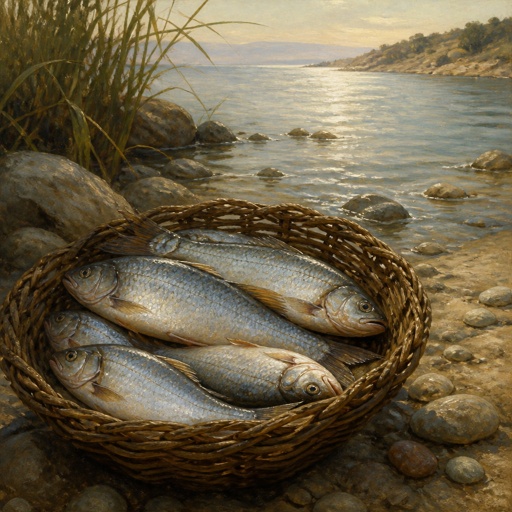
"¶ These shall ye eat of all that are in the waters: whatsoever hath fins and scales in the waters, in the seas, and in the rivers, them shall ye eat." - Leviticus 11:9

Leviticus 11:30 - "And the ferret, and the chameleon, and the lizard, and the snail, and the mole."
Leviticus 23:9 - "¶ And the LORD spake unto Moses, saying,"

Leviticus 11:19 - "And the stork, the heron after her kind, and the lapwing, and the bat."

Leviticus 9:16 - "And he brought the burnt offering, and offered it according to the manner."

Leviticus 11:1 - "And the LORD spake unto Moses and to Aaron, saying unto them,"

Leviticus 11:16 - "And the owl, and the night hawk, and the cuckow, and the hawk after his kind,"

Leviticus 11:41 - "And every creeping thing that creepeth upon the earth shall be an abomination; it shall not be eaten."

Leviticus 19:11 - "¶ Ye shall not steal, neither deal falsely, neither lie one to another."

Leviticus 7:11 - "And this is the law of the sacrifice of peace offerings, which he shall offer unto the LORD."

Leviticus 13:9 - "¶ When the plague of leprosy is in a man, then he shall be brought unto the priest;"

Leviticus 9:20 - "And they put the fat upon the breasts, and he burnt the fat upon the altar:"

Leviticus 9:9 - "And the sons of Aaron brought the blood unto him: and he dipped his finger in the blood, and put it upon the horns of the altar, and poured out the blood at the bottom of the altar:"

"And the swan, and the pelican, and the gier eagle," - Leviticus 11:18

Leviticus 11:12 - "Whatsoever hath no fins nor scales in the waters, that shall be an abomination unto you."

Leviticus 11:8 - "Of their flesh shall ye not eat, and their carcase shall ye not touch; they are unclean to you."

Leviticus 26:11 - "And I will set my tabernacle among you: and my soul shall not abhor you."

Leviticus 11:24 - "And for these ye shall be unclean: whosoever toucheth the carcase of them shall be unclean until the even."

Leviticus 3:11 - "And the priest shall burn it upon the altar: it is the food of the offering made by fire unto the LORD."

Leviticus 15:9 - "And what saddle soever he rideth upon that hath the issue shall be unclean."

Leviticus 9:14 - "And he did wash the inwards and the legs, and burnt them upon the burnt offering on the altar."

Leviticus 9:8 - "¶ Aaron therefore went unto the altar, and slew the calf of the sin offering, which was for himself."