The Joy of New Beginnings: A Reflection on Luke 1:14
“And thou shalt have joy and gladness; and many shall rejoice at his birth.” — Luke 1:14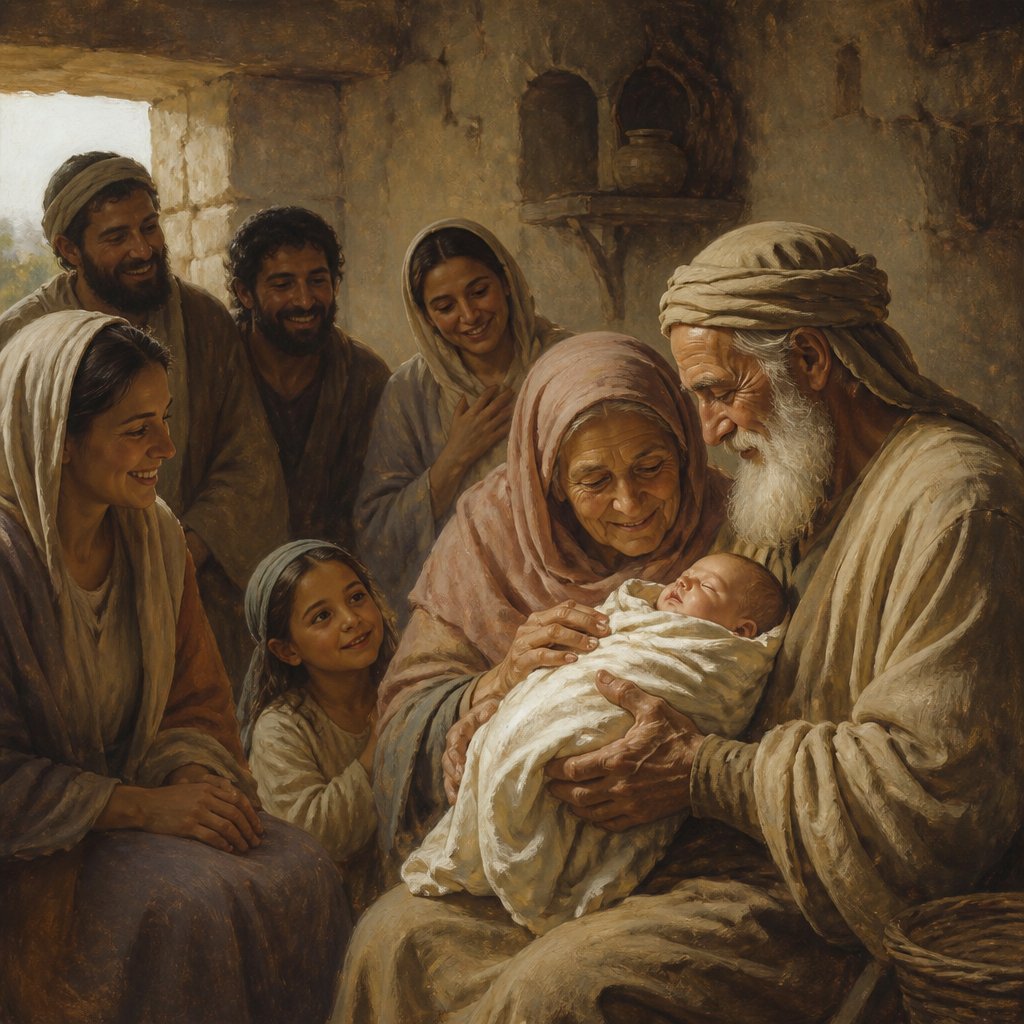
As we turn our attention to the beautiful proclamation in Luke 1:14 of the King James Version, we encounter a promise that is as profound as it is joyous: "And thou shalt have joy and gladness; and many shall rejoice at his birth." This verse is nestled within the incredible narrative surrounding the conception and announcement of John the Baptist, a forerunner of Christ, and it provides us with deep insights into the nature of joy, the significance of birth, and the hope we find in God's divine plans.
In the context of this scripture, we observe the angelic message delivered to Zechariah, the father of John. After years of barrenness, he was informed that his wife, Elizabeth, would bear a son, who would not only bring joy to their household but would also be a catalyst for joy among many others. This announcement is dripping with significance on several levels. First, it illustrates God's ability to bring life and joy out of seemingly hopeless situations. Elizabeth's barrenness represented a closed door, a deep longing that had been unmet. Yet, God intervened and brought forth new life, reminding us of His sovereignty and timing.
The promise of joy and gladness encompasses not only the emotional state of Zechariah and Elizabeth but also extends to the people around them. "Many shall rejoice at his birth" suggests that the impact of this new life will ripple through the community, creating a wave of joy that influences others. How often do we witness the birth of a child change the dynamics of a family, a community, or even beyond? The arrival of a child often serves as a reminder of hope, purpose, and new beginnings.
At the heart of this verse, we find an invitation to embrace the joy that comes from recognizing and welcoming God's divine purposes in our lives. Joy in scripture is not merely an emotional response but a profound sense of peace and fulfillment that is deeply rooted in our relationship with God. When Elizabeth bore John, it was not only a personal blessing; it was part of a larger narrative—God was preparing the way for the Messiah, Jesus Christ, whose very existence would usher in eternal joy for all humanity.
In our own lives, we may experience seasons of waiting, longing, and uncertainty. We, too, may feel like Zechariah and Elizabeth in moments of doubt and fear. However, just as God's promise transformed their circumstances, we can hold firm in the belief that our current situations can change with His intervention. The arrival of joy can break into our hearts and lives, bringing gladness not just to ourselves but also to those we encounter.
There is a further dimension to explore—the communal aspect of joy. The verse indicates that joy is not meant to be hoarded; it is to be shared. When we experience God’s blessings, it brings opportunities to celebrate with others. We become instruments of joy in people’s lives when we share our testimonies, encourage one another, and foster a spirit of celebration in the community of faith. Recognizing that many shall rejoice at each other’s ”births” or milestones encourages us to be rooted in practices that cultivate shared joy.
In this season of life, let us reflect on what we are waiting for, the hopes we harbor deep within our hearts, and how we might take part in God’s unfolding promises. As we anticipate new joys or renewed hopes, let us remember that God’s plan often resembles the intricate and beautiful tapestry of life—woven together by threads of waiting, anticipation, and ultimately, rejoicing. Allow this verse to be our guide as we nurture joy, not only within ourselves but also in the lives of those around us. With God, every new beginning holds the potential for joy and gladness, deeper than we can imagine.
Get our apps


Artwork for Luke 1:14

Luke 1:14 - "And thou shalt have joy and gladness; and many shall rejoice at his birth."
"And thou shalt have joy and gladness; and many shall rejoice at his birth." - Luke 1:14

Luke 11:1-14

Luke 11:1-14

Luke 11:14-15

Luke 18:9-14

Luke 18: 9-14

Luke 1:4 - "That thou mightest know the certainty of those things, wherein thou hast been instructed."

Luke 14:1 - "And it came to pass, as he went into the house of one of the chief Pharisees to eat bread on the sabbath day, that they watched him."
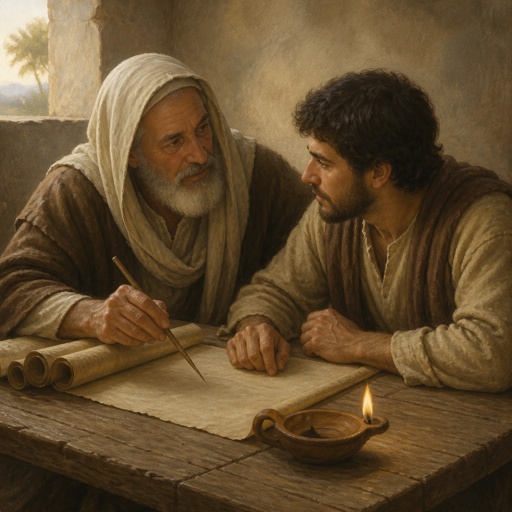
"That thou mightest know the certainty of those things, wherein thou hast been instructed." - Luke 1:4

Luke 14:14 - "And thou shalt be blessed; for they cannot recompense thee: for thou shalt be recompensed at the resurrection of the just."

Luke 14:25 - 33

Luke 2:13-14

Luke 2:13-14

Luke 14:6 - "And they could not answer him again to these things."

Colossians 4:14 - "Luke, the beloved physician, and Demas, greet you."

Luke 14:30 - "Saying, This man began to build, and was not able to finish."

Luke 24:14 - "And they talked together of all these things which had happened."

Luke 10:14 - "But it shall be more tolerable for Tyre and Sidon at the judgment, than for you."

Luke 14:2 - "And, behold, there was a certain man before him which had the dropsy."

Luke 2:14 - "Glory to God in the highest, and on earth peace, good will toward men."

Luke 14:22 - "And the servant said, Lord, it is done as thou hast commanded, and yet there is room."

Luke 14:13 - "But when thou makest a feast, call the poor, the maimed, the lame, the blind:"

Luke 14:25 - "¶ And there went great multitudes with him: and he turned, and said unto them,"

Luke 22:14 - "And when the hour was come, he sat down, and the twelve apostles with him."

Luke 2:13-14 fine pointillism sytle
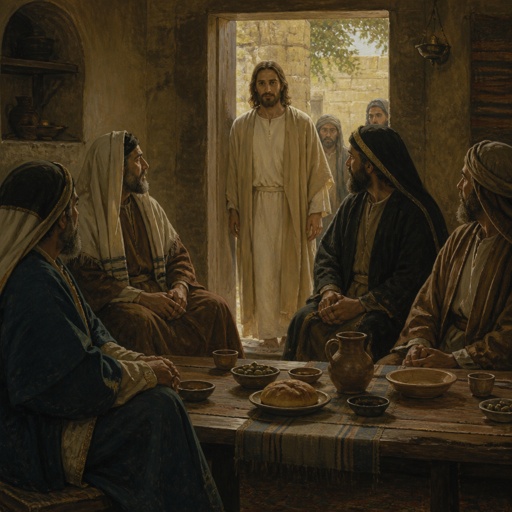
"And it came to pass, as he went into the house of one of the chief Pharisees to eat bread on the sabbath day, that they watched him." - Luke 14:1
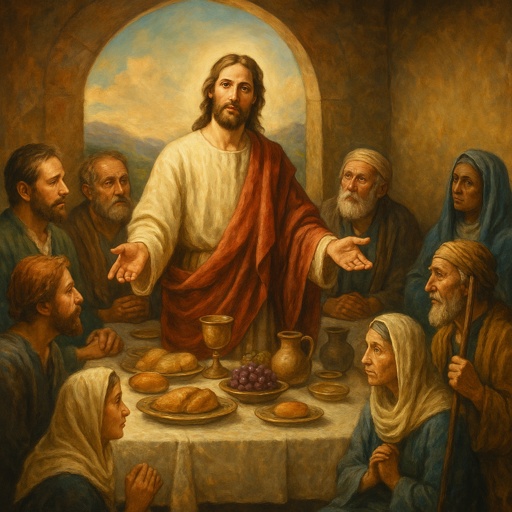
"And he put forth a parable to those which were bidden, when he marked how they chose out the chief rooms; saying unto them, When thou art bidden of any man to a wedding, sit not down in the highest room; lest a more honourable man than thou be bidden of him; And he that bade thee and him come and say to thee, Give this man place; and thou begin with shame to take the lowest room. But when thou art bidden, go and sit down in the lowest room; that when he that bade thee cometh, he may say unto thee, Friend, go up higher: then shalt thou have worship in the presence of them that sit at meat with thee. For whosoever exalteth himself shall be abased; and he that humbleth himself shall be exalted. Then said he also to him that bade him, When thou makest a feast, call the poor, the maimed, the lame, the blind: And thou shalt be blessed; for they cannot recompense thee: for thou shalt be recompensed at the resurrection of the just." - Luke 14:7-14

Luke 14:4 - "And they held their peace. And he took him, and healed him, and let him go;"

Luke 21:14 - "Settle it therefore in your hearts, not to meditate before what ye shall answer:"