The Surprising Power of God: Embracing the Unlikely
“And, behold, thy cousin Elisabeth, she hath also conceived a son in her old age: and this is the sixth month with her, who was called barren.” — Luke 1:36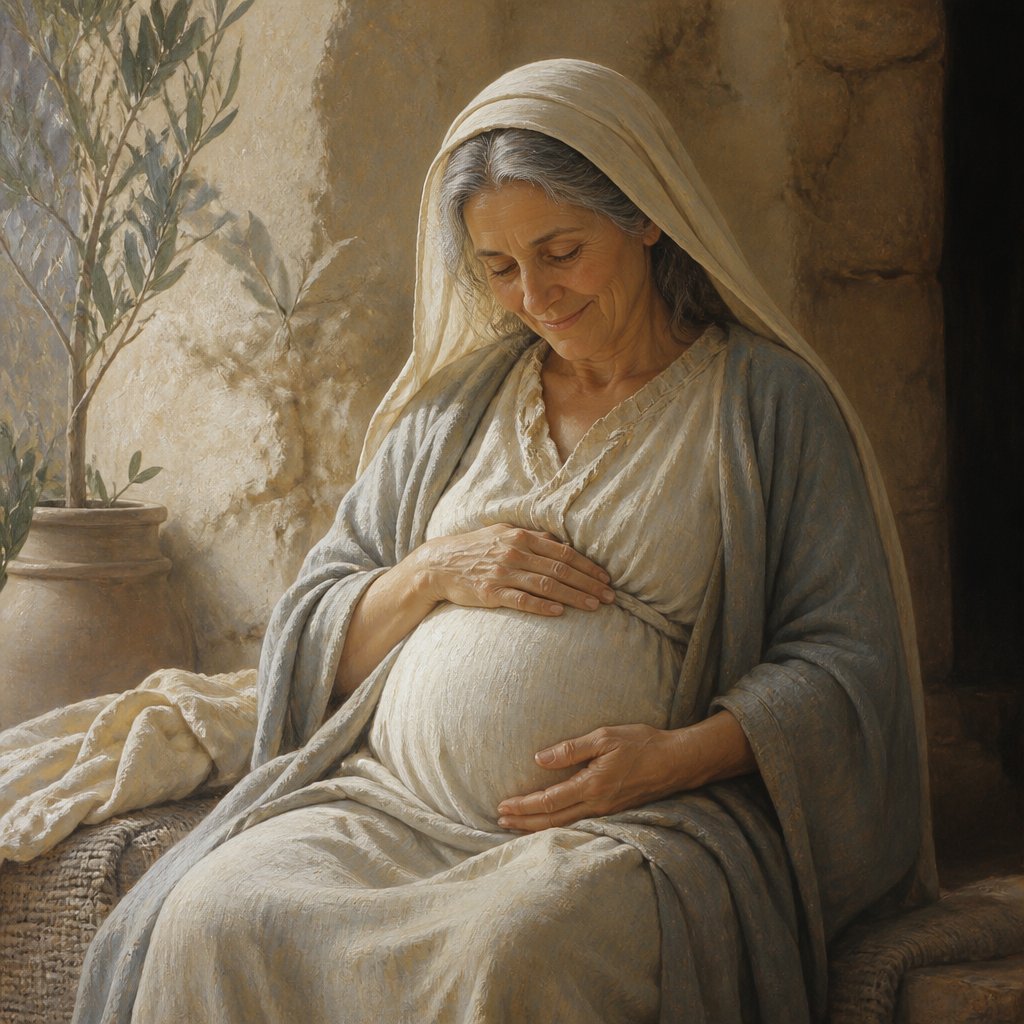
As we delve into the depths of Luke 1:36, we are presented with a profound revelation: "And, behold, thy cousin Elisabeth, she hath also conceived a son in her old age: and this is the sixth month with her, who was called barren." This verse is not only a remarkable announcement about the miraculous conception of John the Baptist but is also a pivotal reminder of God's omnipotent ability to work wonders in the most unlikely situations.
In this passage, the angel Gabriel delivers news to Mary, who has just received word of her own miraculous pregnancy. At the heart of his message lies an encouragement that demonstrates God’s power to overcome human limitations—especially those imposed by age and fertility. Elisabeth, who was previously labeled barren, exemplifies how God can transform what seems impossible into a reality. This theme is woven throughout the Bible: God specializes in the miraculous, often using difficult circumstances to showcase His glory.
Consider the term “barren” as it relates to Elisabeth. In biblical times, being childless was often considered a curse, a deep societal stigma that brought shame. Yet God took this seemingly hopeless situation—a woman in her old age, considered barren by her community—and turned it into a glorious testament of His grace and power. This challenges our perceptions about limitations and encourages us to relinquish our doubt. Are there areas in our lives where we feel barren? Perhaps it is in our careers, our relationships, or even our spiritual growth. The story of Elisabeth reminds us that barrenness is not the end; it can be the precursor to incredible blessings.
When we view Elisabeth’s circumstances through a contemporary lens, we see a stark illustration of faith and the God who fulfills His promises. Elisabeth and her husband, Zacharias, had prayed for a child for years, enduring the heartache of disappointment and the weariness of hope delayed. Yet God had a plan that only He could unveil in His perfect timing. How often do we find ourselves entwined in the struggle of waiting? In our impatience, we may lose sight of God's sovereignty. Elisabeth's story is a beacon of hope, teaching us that even when life seems to have closed its doors, God can open windows that we never knew existed.
Moreover, this passage is part of a larger narrative of divine intervention. Mary learns of Elisabeth's pregnancy as a demonstration that nothing is impossible with God (Luke 1:37). In sharing this news, Gabriel connects the destinies of two remarkable women, each facing their unique challenges, yet both called for a divine purpose. The relationship between Mary and Elisabeth reminds us of the importance of community and support. As they both navigate their transformative journeys, they encourage one another in faith. In our own lives, who can we uplift with our stories of God’s faithfulness? Who can walk beside us as we embrace the surprising power of God?
Ultimately, Luke 1:36 invites us to reflect on our perceptions of what God can do in our lives. It challenges us to surrender our expectations and preconceived ideas about how and when God should act. Are we hindering His work by limiting Him with our doubts? The God who orchestrated the miraculous births of John the Baptist and Jesus is the same God who walks with us today, ready to intervene in our lives in ways we cannot foresee.
As we meditate on this scripture, let us dare to believe in the impossible, for with God, all things are possible. Let us embrace the barren areas of our lives, knowing they can be transformed into testimonies of hope and joy. May we find strength in our faith as we look forward to the blessings and divine surprises that God has in store for us.
Get our apps


Artwork for Luke 1:36

Luke 1:36 - "And, behold, thy cousin Elisabeth, she hath also conceived a son in her old age: and this is the sixth month with her, who was called barren."
"And, behold, thy cousin Elisabeth, she hath also conceived a son in her old age: and this is the sixth month with her, who was called barren." - Luke 1:36

Luke 5:36

Luke 11.33-36

Luke 7:36-50

Luke 7:36–50

Luke 19:36 - "And as he went, they spread their clothes in the way."

Luke 6:36 - "Be ye therefore merciful, as your Father also is merciful."

Luke 18:36 - "And hearing the multitude pass by, he asked what it meant."

Luke 17:36 - "Two men shall be in the field; the one shall be taken, and the other left."

Luke 23:36 - "And the soldiers also mocked him, coming to him, and offering him vinegar,"

Luke 8:36 - "They also which saw it told them by what means he that was possessed of the devils was healed."

Luke 10:36 - "Which now of these three, thinkest thou, was neighbour unto him that fell among the thieves?"

"And as he went, they spread their clothes in the way." - Luke 19:36

Luke 20:36 - "Neither can they die any more: for they are equal unto the angels; and are the children of God, being the children of the resurrection."

Luke 24:36 - "¶ And as they thus spake, Jesus himself stood in the midst of them, and saith unto them, Peace be unto you."

Luke 3:36 - "Which was the son of Cainan, which was the son of Arphaxad, which was the son of Sem, which was the son of Noe, which was the son of Lamech,"
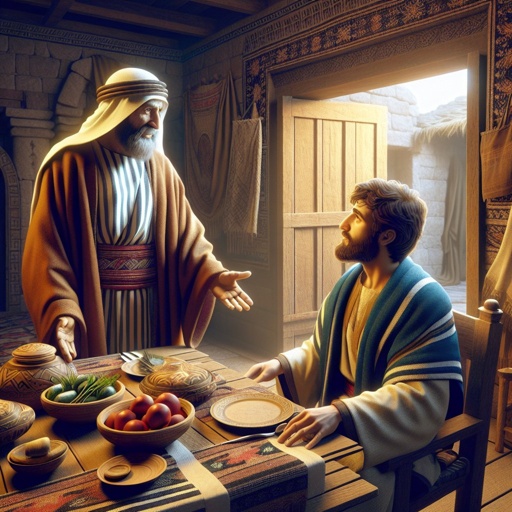
Luke 7:36 - "¶ And one of the Pharisees desired him that he would eat with him. And he went into the Pharisee's house, and sat down to meat."

Depict a biblical scene from Luke 2:36: Anna, an older Middle Eastern female prophet with brown skin who fasts and prays as a regular part of her lifestyle in the temple.

Depict a biblical scene from Luke 2:36: Anna, an older Middle Eastern female prophet with medium brown skin who fasts and prays as a regular part of her lifestyle in the temple.
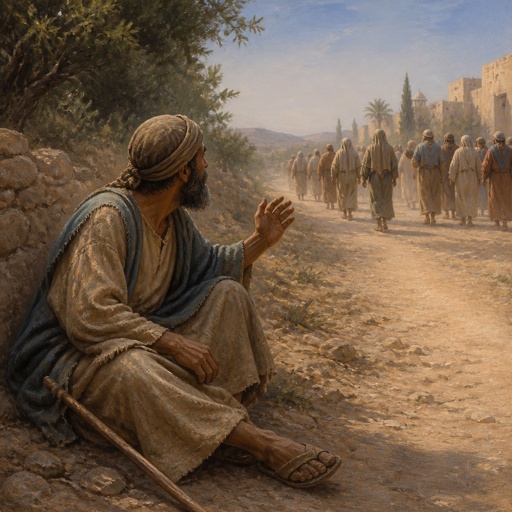
"And hearing the multitude pass by, he asked what it meant." - Luke 18:36
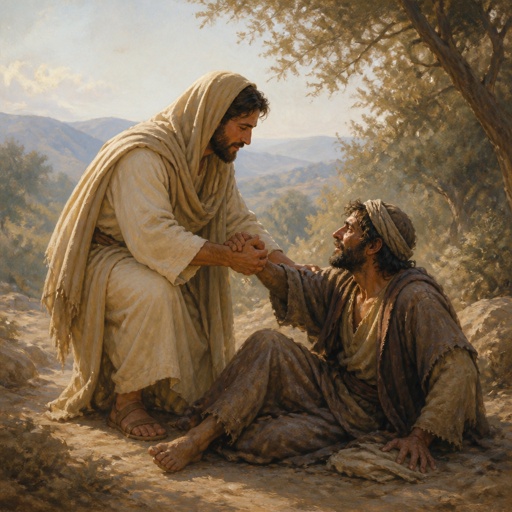
"Be ye therefore merciful, as your Father also is merciful." - Luke 6:36

Luke 4:36 - "And they were all amazed, and spake among themselves, saying, What a word is this! for with authority and power he commandeth the unclean spirits, and they come out."

Acts2:36

1 Corinthians 14:36

1 Corinthians 15:36

Luke 2:36 - "And there was one Anna, a prophetess, the daughter of Phanuel, of the tribe of Aser: she was of a great age, and had lived with an husband seven years from her virginity;"

Luke 9:36 - "And when the voice was past, Jesus was found alone. And they kept it close, and told no man in those days any of those things which they had seen."

1 Corinthians 14:36

Please depict a biblical scene from Luke 2:36: Anna, an elderly 84 year old Middle Eastern female prophet with medium brown skin who fasts and prays as a regular part of her lifestyle in the temple.