Divine Appointments in Unseen Moments
“There was in the days of Herod, the king of Judæa, a certain priest named Zacharias, of the course of Abia: and his wife was of the daughters of Aaron, and her name was Elisabeth.” — Luke 1:5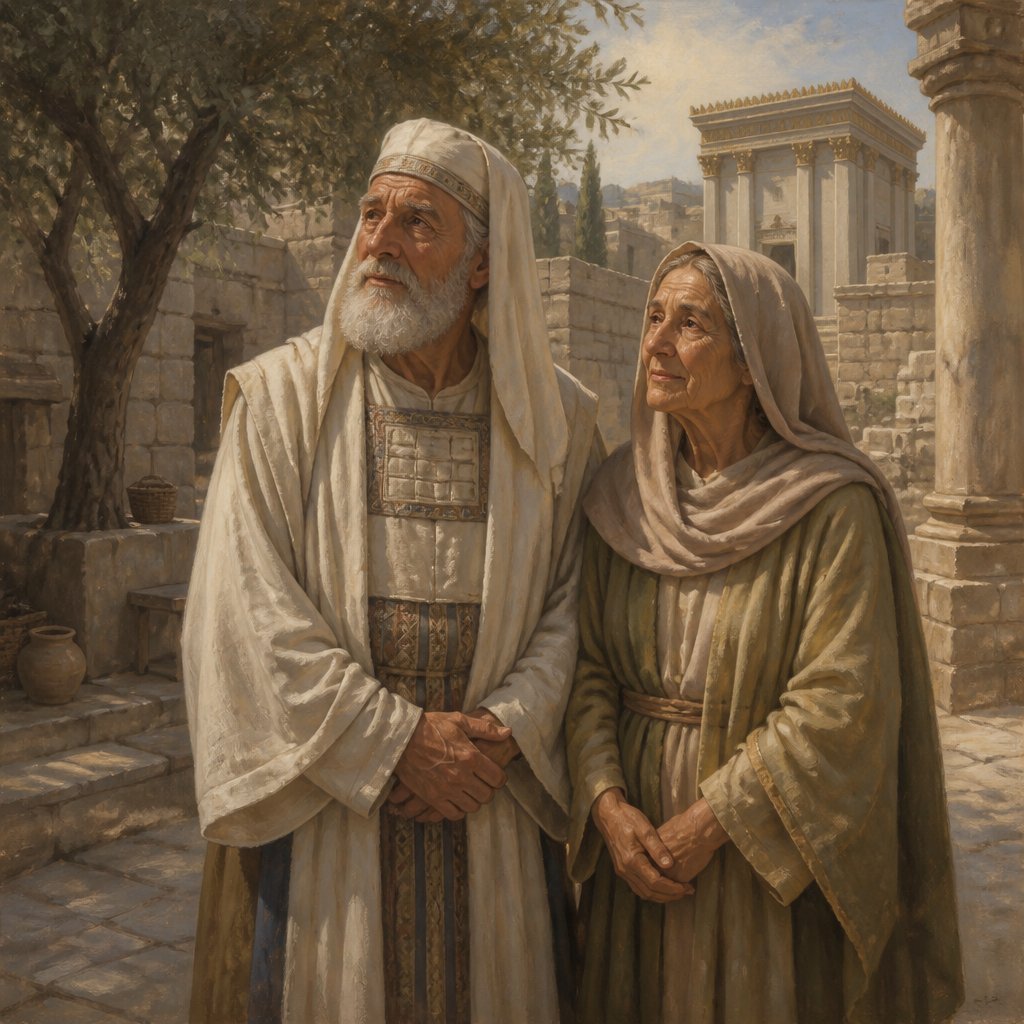
As we delve into the Gospel of Luke, we are greeted by a remarkable introduction to two central figures: Zacharias and Elisabeth. Luke 1:5 states, "There was in the days of Herod, the king of Judaea, a certain priest named Zacharias, of the course of Abia: and his wife was of the daughters of Aaron, and her name was Elisabeth." This verse, seemingly simple, is rich with implications, historical context, and spiritual insights that set the foundation for the miraculous events soon to unfold.
In the days of Herod, a king known for his tyranny and paranoia, we find Zacharias serving as a priest. The mention of Herod's reign signifies a period of oppression, both politically and spiritually. The Jewish people were under the thumb of a ruler who did not know God. Yet, it is precisely in this environment that God was preparing to act. This serves as a profound reminder that God can bring about His purposes even in the most daunting circumstances. In our own lives, we often encounter periods of darkness or despair; we may feel that God is absent, yet He is often working quietly behind the scenes.
Zacharias represents the faithful remnant—a priest whose name means "God remembers." He belonged to the course of Abia, one of the priestly divisions instituted by David, indicating a lineage steeped in service to God. His wife, Elisabeth, named after the Hebrew term for "God is my oath," also hails from a priestly lineage, as she is described as a daughter of Aaron (Exodus 28:1). Their shared heritage speaks not only to their personal faith but also to the larger story of God’s faithfulness and the expectation of the Messiah.
The juxtaposition of Zacharias’ priestly duty with the historical turbulence of Herod’s reign suggests that personal faithfulness can shine brightest in dark times. It brings forth a powerful truth: to remain faithful in our small, often unseen roles within God’s greater story is essential. Zacharias and Elisabeth's lives were characterized by devotion despite their aging years without children—a source of shame and heartbreak in their culture.
In this context of spiritual fidelity and personal anguish, we learn about the importance of patience. God’s timeline often does not align with our expectations. Zacharias and Elisabeth wished for a child, a desire entwined with their identity and hope for legacy, yet they remained without this blessing for decades. Their continued faithfulness amidst silence serves as a powerful model for us. How often do we abandon hope when our prayers go unanswered? The lives of Zacharias and Elisabeth echo the call to trust God’s timing and sovereignty.
Furthermore, we notice the significance of the priestly function in Zacharias’ life. Each day in the temple, he would light the incense—an act symbolizing the prayers of the people ascending to God. This routine was a sacred reminder that, although there might seem to be no immediate response from God, prayers were being heard. Zacharias did not know that on one fateful day, while he performed his duties, he would receive the announcement of John the Baptist’s birth—an event that would change the course of history. Similarly, our mundane routines may seem trivial, but they can lead to divine appointments where God intervenes in unexpected ways.
In conclusion, Luke 1:5 serves as both a historical introduction and a spiritual encouragement for us. It calls us to embrace our identity as part of God’s faithful remnant, to patiently trust in His timing, and to remain steadfast in our duties, knowing that God is always at work behind the scenes. Each moment of faithful service brings us closer to God’s wondrous plans. As we continue to study the lives of Zacharias and Elisabeth, may we cultivate patience, hope, and unwavering trust in God’s promises, recognizing that He is never late but always right on time.
Get our apps


Artwork for Luke 1:5

Luke 1:5 - "¶ There was in the days of Herod, the king of Judaea, a certain priest named Zacharias, of the course of Abia: and his wife was of the daughters of Aaron, and her name was Elisabeth."
"¶ There was in the days of Herod, the king of Judaea, a certain priest named Zacharias, of the course of Abia: and his wife was of the daughters of Aaron, and her name was Elisabeth." - Luke 1:5

Luke 5:39

Luke 5:36

Luke 5:1-11

Luke 5:1-11

Luke 8:5-8

luke 21:5-19

luke 21:5-19 with all people of color

luke 21:5-19 with all people of color

luke 21:5-19 with all people of color

Luke 5:1 - "And it came to pass, that, as the people pressed upon him to hear the word of God, he stood by the lake of Gennesaret,"

luke 5:5

Luke 10:5

Luke 10:5

Luke 10:5

Luke 5:17-26

Luke 5:16 - "¶ And he withdrew himself into the wilderness, and prayed."

Luke 22:5 - "And they were glad, and covenanted to give him money."

Luke 5:32 - "I came not to call the righteous, but sinners to repentance."

Luke 5:28 - "And he left all, rose up, and followed him."

Luke 17:5 - "And the apostles said unto the Lord, Increase our faith."
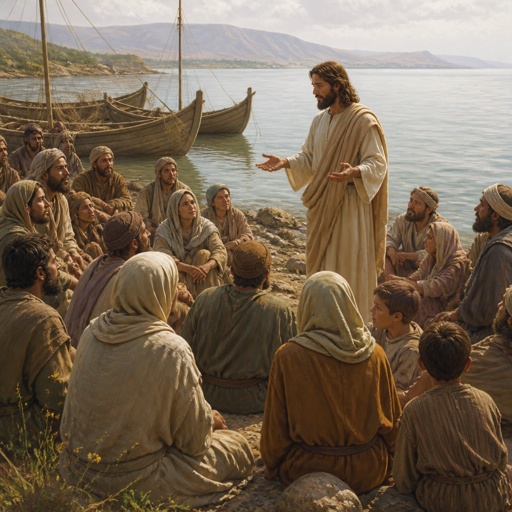
"And it came to pass, that, as the people pressed upon him to hear the word of God, he stood by the lake of Gennesaret," - Luke 5:1

Luke 2:5 - "To be taxed with Mary his espoused wife, being great with child."

Luke 10:5 - "And into whatsoever house ye enter, first say, Peace be to this house."

Luke 5:38 - "But new wine must be put into new bottles; and both are preserved."

Luke 15:5 - "And when he hath found it, he layeth it on his shoulders, rejoicing."

Luke 5:6 - "And when they had this done, they inclosed a great multitude of fishes: and their net brake."

Luke 5:11 - "And when they had brought their ships to land, they forsook all, and followed him."

Luke 5:31 - "And Jesus answering said unto them, They that are whole need not a physician; but they that are sick."