The Heart of the Compassionate Samaritan
“But a certain Samaritan, as he journeyed, came where he was: and when he saw him, he had compassion on him, And went to him, and bound up his wounds, pouring in oil and wine, and set him on his own beast, and brought him to an inn, and took care of him.” — Luke 10:33-34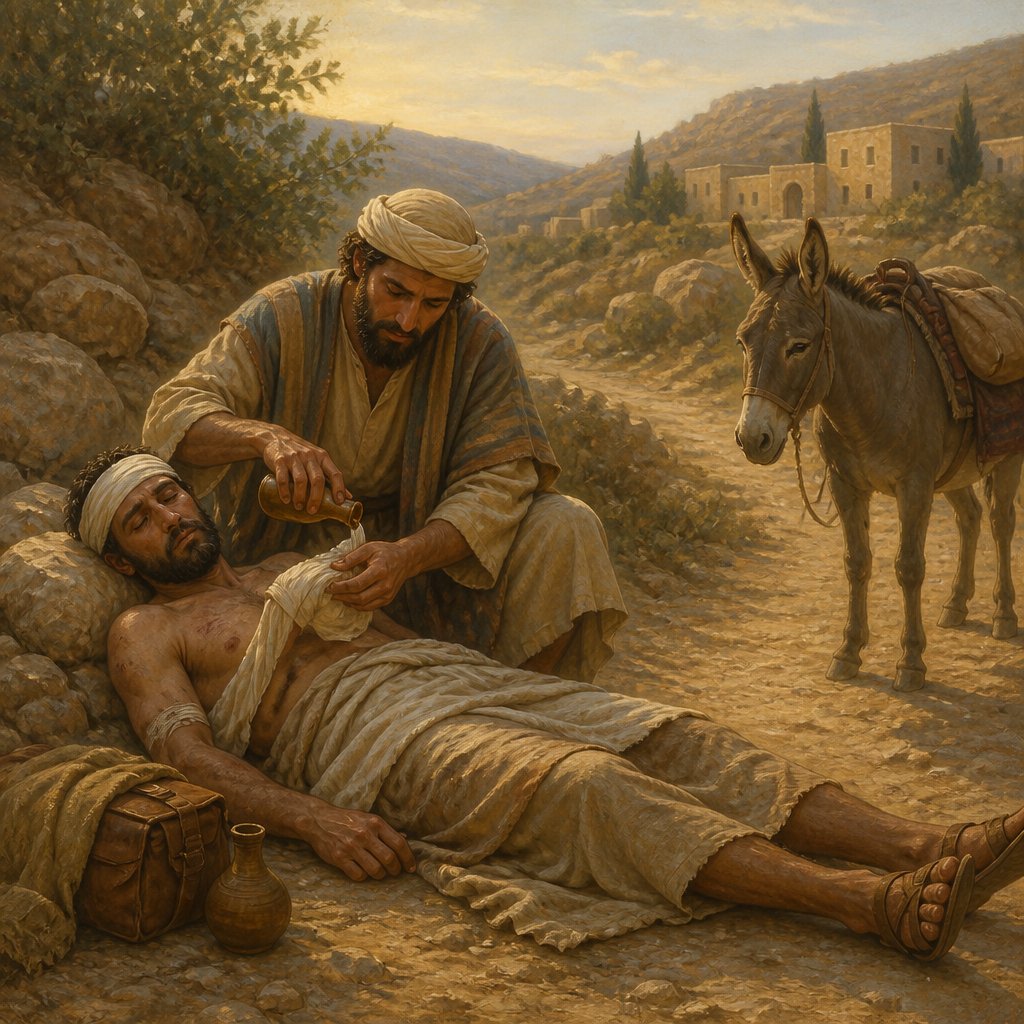
**The Heart of the Compassionate Samaritan**
**Scripture Reference: Luke 10:33-34 (KJV)**
"But a certain Samaritan, as he journeyed, came where he was: and when he saw him, he had compassion on him, And went to him, and bound up his wounds, pouring in oil and wine, and set him on his own beast, and brought him to an inn, and took care of him."
In the parable of the Good Samaritan, Jesus paints a vivid picture of love and compassion that transcends societal barriers. These two verses encapsulate the essence of our Christian duty towards others, particularly those in need. They challenge us to evaluate our own responses to human suffering, calling us to act and to embody the compassion exemplified by the Samaritan.
The backdrop of this story is significant. The Samaritan, a person from a group despised by the Jews, illustrates that compassion knows no boundaries; it is universal in its reach. In Jesus' time, Jews viewed Samaritans with disdain, and part of the subversive power of this parable lies in the choice of a Samaritan as the hero. While the Levite and the Priest—men of esteemed religious standing—passed by the wounded man without offering help, the Samaritan stepped forward. He recognized a fellow human in distress, and his heart was stirred to action.
**Compassion in Action**
When the Samaritan saw the injured man, the Bible says he had compassion. This is not just an emotion but a call to action. True compassion compels us to do something tangible. It's easy to feel sorry for someone who is suffering, but the Samaritan demonstrated that authentic compassion involves stepping into action even when it’s inconvenient. He did not merely offer a silent prayer or promise to tell someone else about the man in need; he engaged actively to help.
His actions began with binding the man's wounds, a practical, hands-on response. What does binding up wounds look like for us today? It might mean being present in someone's pain, listening to a friend's struggles, or providing a meal for a family during a hard time. The Samaritan’s use of oil and wine to treat the man's wounds suggests he was willing to share of his own resources for the benefit of another.
In our modern world, the call to serve and to offer compassionate care can sometimes feel overwhelming. We may become paralyzed, wondering where to start or fearing that our efforts will not make a difference. Yet, just as the Samaritan used what he had available to him, we too can engage wherever we are, with whatever means we possess.
**The Cost of Compassion**
The Samaritan didn’t just stop at tending to the man's wounds; he put the wounded man on his own beast and took him to an inn. This act of putting someone else’s needs above one’s own convenience is a profound testimony of sacrificial love. He risked his own journey and schedule, pouring out his time and energy into caring for another.
Additionally, it’s important to note that the Samaritan did not abandon the man once they reached the inn. He took care of him and even paid for his continued care. What can this teach us about long-term commitment to those in need? Compassion often requires sustained dedication, investing our time and resources beyond a one-time act of kindness.
**Reflecting Christ’s Love**
Ultimately, the heart of the Good Samaritan mirrors Christ’s love for humanity. Just as the Samaritan crossed cultural divides to help someone in need, so did Jesus, whose life and sacrifice exemplify the ultimate act of compassion. He saw our brokenness and didn’t turn away; instead, He willingly took on our pain, bound our wounds, and healed our spiritual brokenness with His blood.
As we ponder this parable today, let us ask ourselves: who are the wounded people we encounter in our lives? Do we offer a fleeting moment of sympathy, or do we let compassion drive us into action? We are called to embody the heart of the Samaritan, not just in our communities, but across social, racial, and economic divides, so we can truly reflect the love of Christ in a world that desperately needs it.
Get our apps


Artwork for Luke 10:33-34

Luke 10:33-34 - "But a Samaritan, as he traveled, came where the man was; and when he saw him, he took pity on him. He went to him and bandaged his wounds, pouring on oil and wine. Then he put the man on his own donkey, brought him to an inn and took care of him."
"But a Samaritan, as he traveled, came where the man was; and when he saw him, he took pity on him. He went to him and bandaged his wounds, pouring on oil and wine. Then he put the man on his own donkey, brought him to an inn and took care of him." - Luke 10:33-34

Luke 10:33 - "But a certain Samaritan, as he journeyed, came where he was: and when he saw him, he had compassion on him,"

Luke 12:33-34 - "Sell your possessions and give to the poor. Provide purses for yourselves that will not wear out, a treasure in heaven that will never fail, where no thief comes near and no moth destroys. For where your treasure is, there your heart will be also."

Luke 10:34 - "And went to him, and bound up his wounds, pouring in oil and wine, and set him on his own beast, and brought him to an inn, and took care of him."

Numbers 33:34 - "And they removed from Jotbathah, and encamped at Ebronah."

Luke 12:34

Luke 7:33

Exodus 34:33 - "And till Moses had done speaking with them, he put a vail on his face."

Luke 14:25 - 33

"And they removed from Jotbathah, and encamped at Ebronah." - Numbers 33:34

Luke 19:34 - "And they said, The Lord hath need of him."

Luke 12:34 - "For where your treasure is, there will your heart be also."

Luke 24:34 - "Saying, The Lord is risen indeed, and hath appeared to Simon."
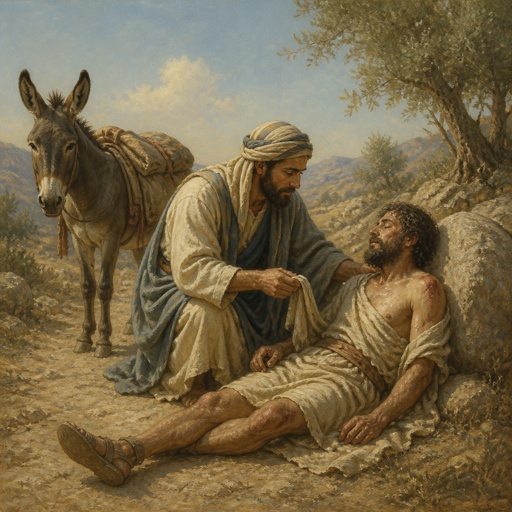
"But a certain Samaritan, as he journeyed, came where he was: and when he saw him, he had compassion on him," - Luke 10:33
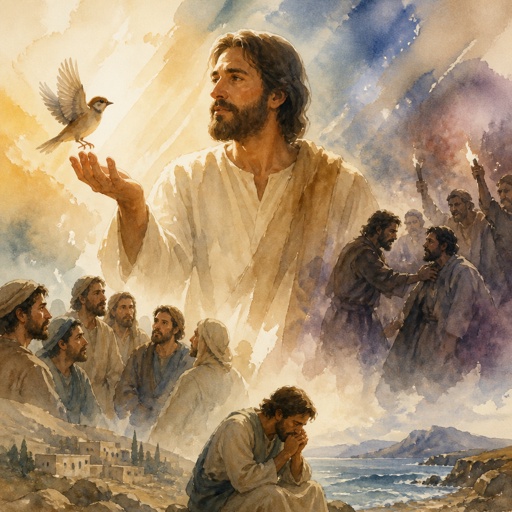
Matthew 10:26-33

Job 34:33 - "Should it be according to thy mind? he will recompense it, whether thou refuse, or whether thou choose; and not I: therefore speak what thou knowest."

Proverbs 24:33-34 - "A little sleep, a little slumber, a little folding of the hands to rest, and poverty will come on you like a thief and scarcity like an armed man."

Luke 14:34 - "¶ Salt is good: but if the salt have lost his savour, wherewith shall it be seasoned?"

Luke 21:33 - "Heaven and earth shall pass away: but my words shall not pass away."

Luke 20:33 - "Therefore in the resurrection whose wife of them is she? for seven had her to wife."

Ezra 10:34 - "Of the sons of Bani; Maadai, Amram, and Uel,"

Luke 1:34 - "Then said Mary unto the angel, How shall this be, seeing I know not a man?"

Luke 20:34 - "And Jesus answering said unto them, The children of this world marry, and are given in marriage:"

Luke 2:33 - "And Joseph and his mother marvelled at those things which were spoken of him."

Luke 8:34 - "When they that fed them saw what was done, they fled, and went and told it in the city and in the country."

Luke 9:34 - "While he thus spake, there came a cloud, and overshadowed them: and they feared as they entered into the cloud."

Luke 4:33 - "¶ And in the synagogue there was a man, which had a spirit of an unclean devil, and cried out with a loud voice,"

Luke 1:33 - "And he shall reign over the house of Jacob for ever; and of his kingdom there shall be no end."

Luke 19:33 - "And as they were loosing the colt, the owners thereof said unto them, Why loose ye the colt?"