Go and Do Thou Likewise: The Call to Reflect Christ’s Mercy
“And he said, He that shewed mercy on him. Then said Jesus unto him, Go, and do thou likewise.” — Luke 10:37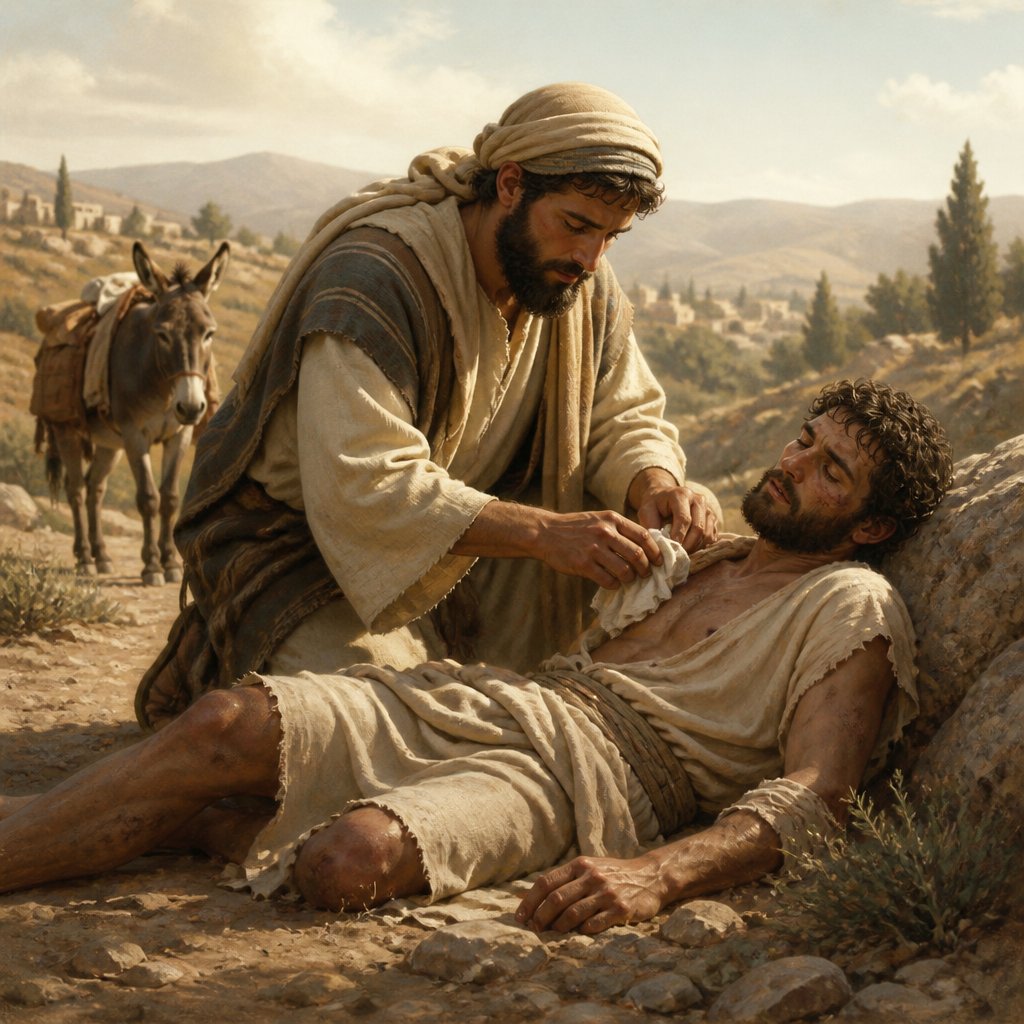
In the Gospel of Luke, chapter 10, we find the parable of the Good Samaritan, a poignant account that reveals the heart of Jesus toward mercy and compassion. In verse 37, our Lord answers the question posed by the lawyer regarding who is my neighbor, saying, "And he said, He that shewed mercy on him. Then said Jesus unto him, Go, and do thou likewise." This command offers a profound reflection on how we ought to live as followers of Christ.
To fully grasp the weight of this directive, it is essential to explore the context of the parable. Jesus narrates the story of a man who was traveling from Jerusalem to Jericho, a perilous journey known for its rugged terrain and dangers. Along the way, he is beset by robbers, stripped of his possessions, and left half-dead. Several individuals encounter the wounded man, including a priest and a Levite, both of whom choose to pass by without offering aid. It is a Samaritan, a man belonging to a group despised by the Jews, who stops to help the victim, tending to his wounds and ensuring his recovery at an inn.
This parable is striking in its challenge to societal norms and prejudices. It is easy to imagine the priest and Levite justifying their inaction—perhaps they were in a hurry, perhaps they feared becoming ceremonially unclean, or perhaps they simply did not want to be bothered. Jesus highlights, however, that true love and compassion transcend cultural and religious boundaries.
When He speaks the words, "Then said Jesus unto him, Go, and do thou likewise," He empowers us with the urgency to act on our convictions of mercy, to show love not just in sentiment but in active service. The call to 'go' suggests a movement beyond our comfort zones—a tangible response to the needs around us.
The Samaritan's actions provide a blueprint for the kind of mercy we are called to embody. He sees the wounded man, feels compassion, and does not hesitate to get involved. His hands touch the injuries, and his resources are shared, all actions that embody the heart of Christ. As followers of Jesus, we are not merely called to feel compassion but to express it through our actions—to be "doers of the word" as James 1:22 (KJV) echoes.
We must then reflect upon our own lives. Who are the 'neighbors' in our sphere of influence? Are there those among us who are physically, emotionally, or spiritually wounded? Perhaps it is the colleague at work who is struggling silently, the neighbor who has lost a loved one, or the stranger we encounter in our daily routines. Each of these individuals presents an opportunity to exhibit the same mercy that was so richly extended to us through Christ.
In a world often marred by indifference and division, the call to mercy is radical. It challenges us to confront our biases and prejudices, to break down the walls that separate us from one another. The beauty of displaying mercy is that it not only uplifts those in need, but also transforms us in the process. When we choose to act, we participate in the work of the Holy Spirit, becoming vessels of God’s love and grace.
Moreover, engaging in acts of mercy cultivates a heart that mirrors that of Jesus. Each act, no matter how small, contributes to a legacy of love and compassion that can ripple through communities and generations. It reminds us that we have been recipients of unmerited mercy ourselves—something we must never take lightly.
Thus, as we meditate on Jesus' admonition to "Go, and do thou likewise," let it stir within us a desire to live out our faith with authenticity and action. Let us commit to being not only hearers of His word but faithful servants in the way we treat others, thereby fulfilling the greatest commandments of love for God and love for our neighbors. May we rise each day with the intention to show mercy, reflecting the character of Christ in a world that desperately needs His light.
Get our apps


Artwork for Luke 10:37

Luke 10:37 - "And he said, He that shewed mercy on him. Then said Jesus unto him, Go, and do thou likewise."
"And he said, He that shewed mercy on him. Then said Jesus unto him, Go, and do thou likewise." - Luke 10:37

Luke 2:37

Luke 2:37

Luke 2:37

Luke 2:37

Luke 2:37

Luke (1:37) For nothing will be impossible with God.”

Luke (1:37) For nothing will be impossible with God.”

Luke (1:37) For nothing will be impossible with God.”

Luke (1:37) For nothing will be impossible with God.”

Luke (1:37) For nothing will be impossible with God.”

Luke (1:37) For nothing will be impossible with God.”

Luke (1:37) For nothing will be impossible with God.”

Luke (1:37) For nothing will be impossible with God.”

Luke (1:37) For nothing will be impossible with God.”

Luke (1:37) For nothing will be impossible with God.”

Luke (1:37) For nothing will be impossible with God.”

Luke (1:37) For nothing will be impossible with God.”

Luke (1:37) For nothing will be impossible with God.”

Luke (1:37) For nothing will be impossible with God.”

Luke (1:37) For nothing will be impossible with God.”

Luke (1:37) For nothing will be impossible with God.”

Luke (1:37) For nothing will be impossible with God.”

Luke (1:37) For nothing will be impossible with God.”
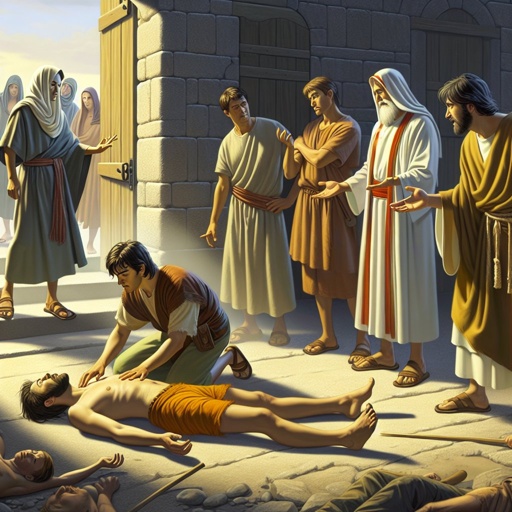
Luke 10:36-37 - "Which of these three, do you think, proved to be a neighbor to the man who fell among the robbers? He said, The one who showed him mercy. And Jesus said to him, You go, and do likewise."

Luke (1:37) For nothing will be impossible with God.”

Luke (1:37) For nothing will be impossible with God.”

Luke (1:37) For nothing will be impossible with God.”

Luke (1:37) For nothing will be impossible with God.”