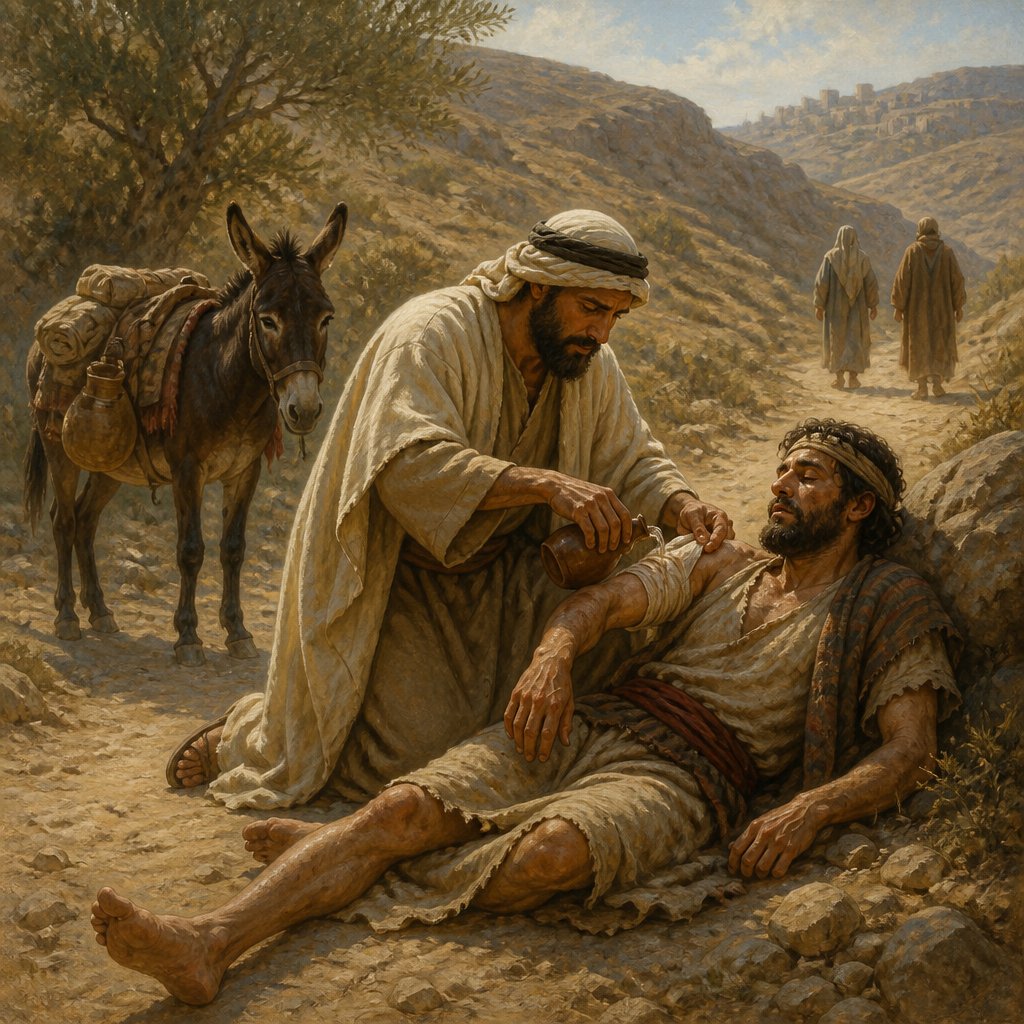
In the parable of the Good Samaritan from Luke 10:30-37, we are presented with a profound narrative that transcends cultural boundaries, religious affiliations, and social status. The story unfolds with a man journeying from Jerusalem to Jericho, a road historically notorious for its perilous conditions and the presence of thieves. This man falls victim to robbers who strip him of his possessions and leave him half dead. The scene sets the stage for a powerful lesson on compassion and mercy, two virtues that Jesus exemplified throughout His ministry.
As we reflect on this passage, it is important to notice the characters introduced by Jesus: a priest, a Levite, and a Samaritan. The priest, a figure of religious leadership, sees the wounded man but chooses to pass by on the other side. The Levite—a member of the tribe of Levi, responsible for temple duties—also observes the plight of the man but likewise neglects to assist him. Their actions illustrate a troubling reality: even those who are supposed to embody compassion may sometimes fail in their duty towards their fellow man.
Consider the context of the priest and Levite. They were likely on their way to perform religious duties, perhaps feeling justified in their avoidance of the desperate man. Their neglect of the wounded traveler can resonate with us. We often get wrapped up in our own pursuits and responsibilities, forgetting the call to love and serve those in need. That is a poignant reminder that our commitment to God should not lead us to disregard our brothers and sisters in their time of need. Jesus, who had every right to scold these figures, instead tells a story that elevates the compassion of an unlikely hero, a Samaritan.
In the Jewish culture of Jesus’ day, Samaritans were despised and viewed with disdain by the Jews. Yet, in this tale, it is the Samaritan—the one who would have been considered the enemy—who stops to help the wounded traveler. The scripture tells us, "But a certain Samaritan, as he journeyed, came where he was: and when he saw him, he had compassion on him" (Luke 10:33). Here, the Samaritan does not merely feel empathy from a distance; he takes action. He binds the man’s wounds, pours oil and wine upon them, and transports him on his own beast to an inn, where he continues to care for him, even providing for his needs for the next day.
The Samaritan’s actions urge us to consider the depth of true neighborly love. He did not merely offer a passing thought or send help from afar; he engaged wholly, going above and beyond to care for someone considered an outsider. His willingness to serve, regardless of social norms or expectations, embodies the essence of Jesus’ teaching on love.
Jesus concludes the parable with a question: "Which now of these three, thinkest thou, was neighbour unto him that fell among the thieves?" The answer is undeniable: it was the one who showed mercy. Jesus then commands, "Go, and do thou likewise" (Luke 10:37). This directive challenges us not only to acknowledge those in need but to actively engage in their restoration and healing.
As we meditate on this parable today, let us examine where we stand: Are we like the priest and Levite, distracted by our own pursuits? Or are we willing to be like the Samaritan, extending compassion to those we encounter, regardless of their background? In a world fragmented by indifference and division, we are called to be agents of kindness. The call of Jesus to "Go, and do thou likewise" compels us to embody mercy and compassion in our daily lives.
Today, let us strive to be neighbors to those around us, recognizing that every act of kindness we offer reflects the love of Christ. May we be willing to cross the road, take risks, and give of ourselves for the well-being of others. In doing so, we not only fulfill the command of our Lord but also participate in His mission of love and reconciliation in a broken world.
Get our apps


Artwork for Luke 10:30-37

Luke 10:30-37 - "Jesus replied, "A man was going down from Jerusalem to Jericho, when he was attacked by robbers. They stripped him of his clothes, beat him and went away, leaving him half dead. A priest happened to be going down the same road, and when he saw the man, he passed by on the other side. So too, a Levite, when he came to the place and saw him, passed by on the other side. But a Samaritan, as he traveled, came where the man was; and when he saw him, he took pity on him. He went to him and bandaged his wounds, pouring on oil and wine. Then he put the man on his own donkey, brought him to an inn and took care of him. The next day he took out two denarii and gave them to the innkeeper. 'Look after him,' he said, 'and when I return, I will reimburse you for any extra expense you may have.' Which of these three do you think was a neighbor to the man who fell into the hands of robbers?" The expert in the law replied, "The one who had mercy on him." Jesus told him, "Go and do likewise.""
"Jesus replied, "A man was going down from Jerusalem to Jericho, when he was attacked by robbers. They stripped him of his clothes, beat him and went away, leaving him half dead. A priest happened to be going down the same road, and when he saw the man, he passed by on the other side. So too, a Levite, when he came to the place and saw him, passed by on the other side. But a Samaritan, as he traveled, came where the man was; and when he saw him, he took pity on him. He went to him and bandaged his wounds, pouring on oil and wine. Then he put the man on his own donkey, brought him to an inn and took care of him. The next day he took out two denarii and gave them to the innkeeper. 'Look after him,' he said, 'and when I return, I will reimburse you for any extra expense you may have.' Which of these three do you think was a neighbor to the man who fell into the hands of robbers?" The expert in the law replied, "The one who had mercy on him." Jesus told him, "Go and do likewise."" - Luke 10:30-37

african american luke 10:30

Luke 10:37 - "And he said, He that shewed mercy on him. Then said Jesus unto him, Go, and do thou likewise."

Luke 10:30 - "And Jesus answering said, A certain man went down from Jerusalem to Jericho, and fell among thieves, which stripped him of his raiment, and wounded him, and departed, leaving him half dead."

Luke 2:37

Luke 2:37

Luke 2:37

Luke 2:37

Luke 2:37

Luke (1:37) For nothing will be impossible with God.”

Luke (1:37) For nothing will be impossible with God.”

Luke (1:37) For nothing will be impossible with God.”

Luke (1:37) For nothing will be impossible with God.”

Luke (1:37) For nothing will be impossible with God.”

Luke (1:37) For nothing will be impossible with God.”

Luke (1:37) For nothing will be impossible with God.”

Luke (1:37) For nothing will be impossible with God.”

Luke (1:37) For nothing will be impossible with God.”

Luke (1:37) For nothing will be impossible with God.”

Luke (1:37) For nothing will be impossible with God.”

Luke (1:37) For nothing will be impossible with God.”

Luke (1:37) For nothing will be impossible with God.”

Luke (1:37) For nothing will be impossible with God.”

Luke (1:37) For nothing will be impossible with God.”

Luke (1:37) For nothing will be impossible with God.”

Luke (1:37) For nothing will be impossible with God.”

Luke (1:37) For nothing will be impossible with God.”
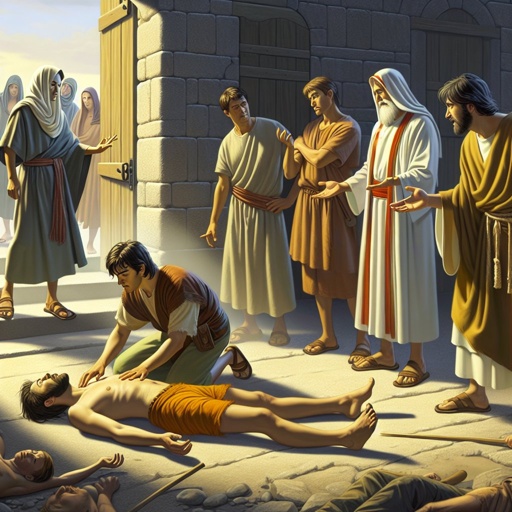
Luke 10:36-37 - "Which of these three, do you think, proved to be a neighbor to the man who fell among the robbers? He said, The one who showed him mercy. And Jesus said to him, You go, and do likewise."

Luke 6:10 30 Give to everyone who asks of you. Whoever takes away what is yours, do not demand it back.