Settling Accounts: The Urgency of Repentance and Reconciliation
“I tell thee, thou shalt not depart thence, till thou hast paid the very last mite.” — Luke 12:59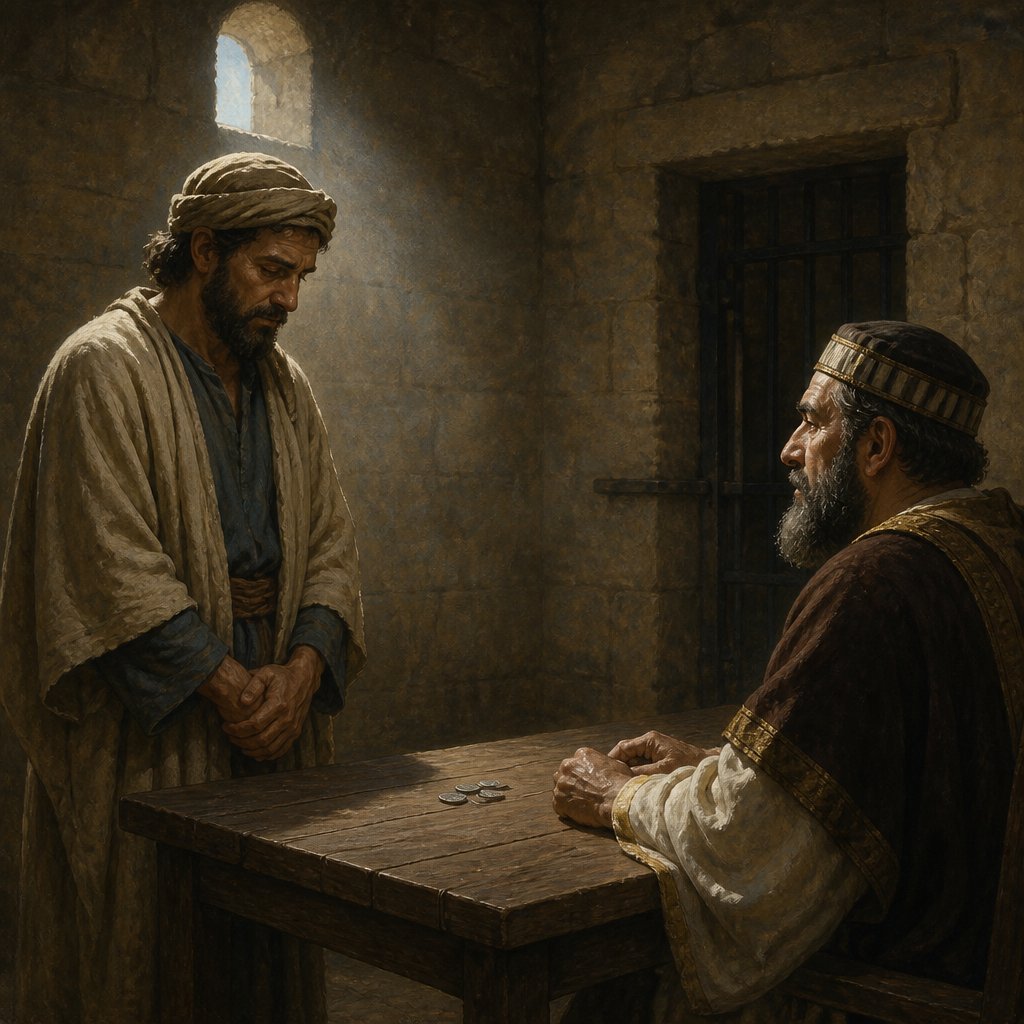
In the Gospel of Luke, Jesus presents a profound and challenging teaching in Luke 12:59, stating, "I tell thee, thou shalt not depart thence, till thou hast paid the very last mite." This verse offers insight into the importance of personal responsibility and the critical need for reconciliation, both with God and with our fellow human beings.
To fully grasp the weight of this scripture, we must first understand the context in which Jesus spoke these words. The broader passage in Luke 12 addresses the necessity of being aware of our spiritual condition and the urgency of preparing ourselves for the forthcoming judgment. Jesus uses the metaphor of a debtor being summoned before a magistrate to illustrate the seriousness of our spiritual obligations. The debtor’s inability to pay leads to a dire consequence—imprisonment until every last sum is settled. This dramatic picture speaks not only to the financial debt we may owe but also to the spiritual debts incurred by sin, failure to repent, and neglect of relationships.
The "very last mite" referred to in this verse symbolizes the smallest denomination of currency, commonly known in the New Testament as the lepton, which speaks to the completeness of what one owes. Within God’s economy, every sin demands an account, and each unrepented wrongdoing contributes to our spiritual debt. Thus, the urgency in this scripture provides a pivotal reminder: the longer one delays in reconciling these debts, the more profound the consequences may become. It is a call to action—not a passive acceptance of our spiritual state.
In our contemporary lives, we can easily relate to being in debt—both financially and relationally. We frequently encounter situations wherein we owe apologies, forgiveness, or sometimes restitution. Jesus’ words remind us that ignoring these debts will not absolve us of their weight; they must be addressed. The consequences of neglecting this responsibility can lead to spiritual imprisonment, hindrance in our relationship with God, and broken fellowship with others.
Moreover, the verse serves as a wake-up call. It points to the inevitable day of reckoning where all debts must be settled. It tells us that we cannot simply walk away from unresolved issues; rather, we must confront them. This teaching invites us to consider the significance of repentance and the grace available through Jesus Christ.
The Good News is that through Christ, our debts can be settled. He offers forgiveness for our sins, releasing us from the bondage of guilt and shame. Accepting Christ means not merely acknowledging our debts but actively seeking to repay our past actions through a transformed life committed to doing good. Therefore, true repentance does not merely involve an admission of guilt but a firm commitment to change our ways, to make amends wherever possible, fulfilling our obligations to others and to God.
To embody this teaching, we must engage in self-examination in prayer, assessing our hearts for any unforgiveness, resentment, or broken relationships. As the Holy Spirit reveals these areas of incompleteness, we are called to act promptly, extending grace to those around us as we have received grace ourselves. This might involve heartfelt conversations, apologies, or even reaching out to mend strained relationships, all requiring humility and courage.
Ultimately, what Jesus speaks of in Luke 12:59 presents an opportunity—a call to not only settle our accounts but to experience profound healing and restoration in our lives. The urgency in His words prompts us to reflect on our journey and the relationships we hold dear. We have the chance to live free from the burdens of unresolved conflict, just as Christ has freed us from our sins. Let us strive to pay our ‘very last mite’ by living in a state of reconciliation, both with God and with one another, as we seek to reflect the grace we've been given.
Get our apps


Artwork for Luke 12:59

Luke 12:59 - "I tell thee, thou shalt not depart thence, till thou hast paid the very last mite."
"I tell thee, thou shalt not depart thence, till thou hast paid the very last mite." - Luke 12:59

Luke 1:59 - "And it came to pass, that on the eighth day they came to circumcise the child; and they called him Zacharias, after the name of his father."

Luke 22:59 - "And about the space of one hour after another confidently affirmed, saying, Of a truth this fellow also was with him: for he is a Galilaean."

Luke 9:59 - "And he said unto another, Follow me. But he said, Lord, suffer me first to go and bury my father."

Psalms 59:12 - "For the sin of their mouth and the words of their lips let them even be taken in their pride: and for cursing and lying which they speak."

Isaiah 59:12 - "For our transgressions are multiplied before thee, and our sins testify against us: for our transgressions are with us; and as for our iniquities, we know them;"
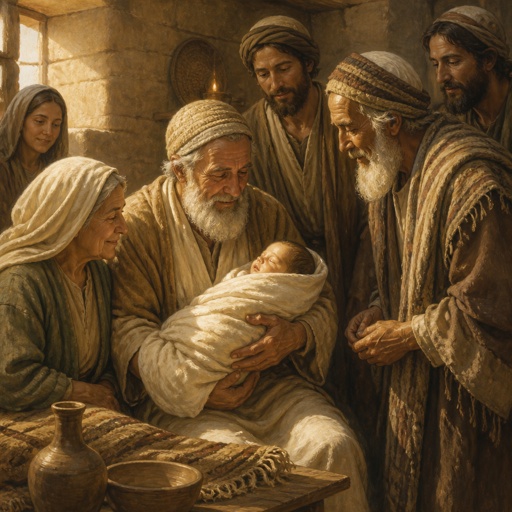
"And it came to pass, that on the eighth day they came to circumcise the child; and they called him Zacharias, after the name of his father." - Luke 1:59
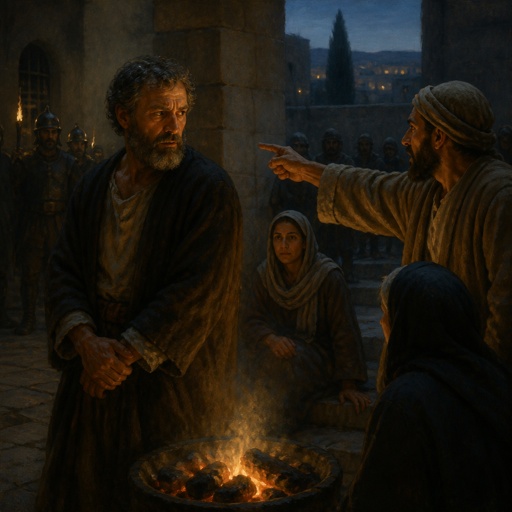
"And about the space of one hour after another confidently affirmed, saying, Of a truth this fellow also was with him: for he is a Galilaean." - Luke 22:59
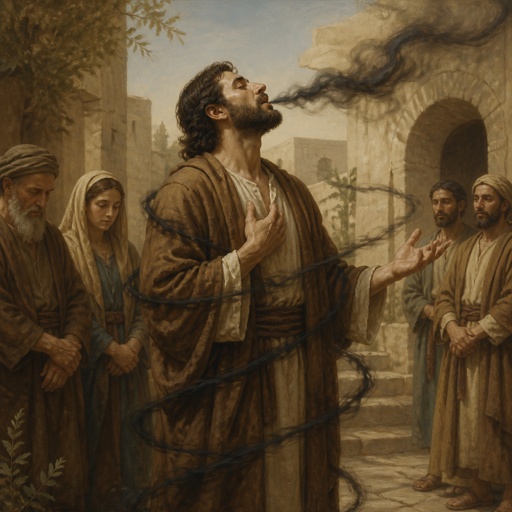
"For the sin of their mouth and the words of their lips let them even be taken in their pride: and for cursing and lying which they speak." - Psalms 59:12
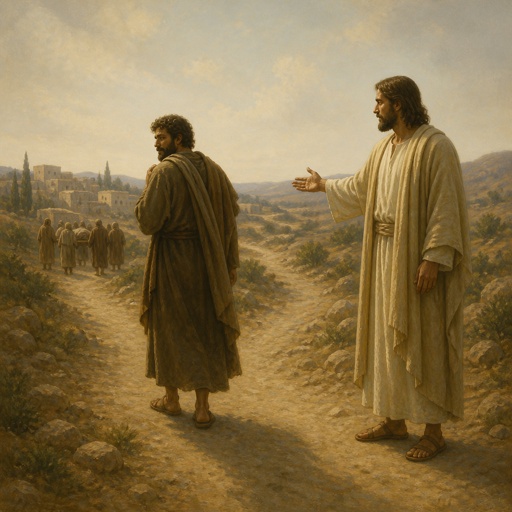
"And he said unto another, Follow me. But he said, Lord, suffer me first to go and bury my father." - Luke 9:59

Luke 12:25
Luke 12:25

Luke 12: 49

Luke 12:34

Luke 12:10

Luke 12:50

Luke 12:12 - "For the Holy Ghost shall teach you in the same hour what ye ought to say."

Luke 1:11-12

Luke 12:25-26

Luke 12:25-26

Luke 12:25-26

Luke 12:25-26

Luke 12:25-26
Luke 12:25-26

Luke 1:11-12

Luke 12:25-26

Luke 1:11-12

Luke 1:11-12

"For our transgressions are multiplied before thee, and our sins testify against us: for our transgressions are with us; and as for our iniquities, we know them;" - Isaiah 59:12