The Healing Touch: Finding Strength in Brokenness
“And, behold, there was a woman which had a spirit of infirmity eighteen years, and was bowed together, and could in no wise lift up herself.” — Luke 13:11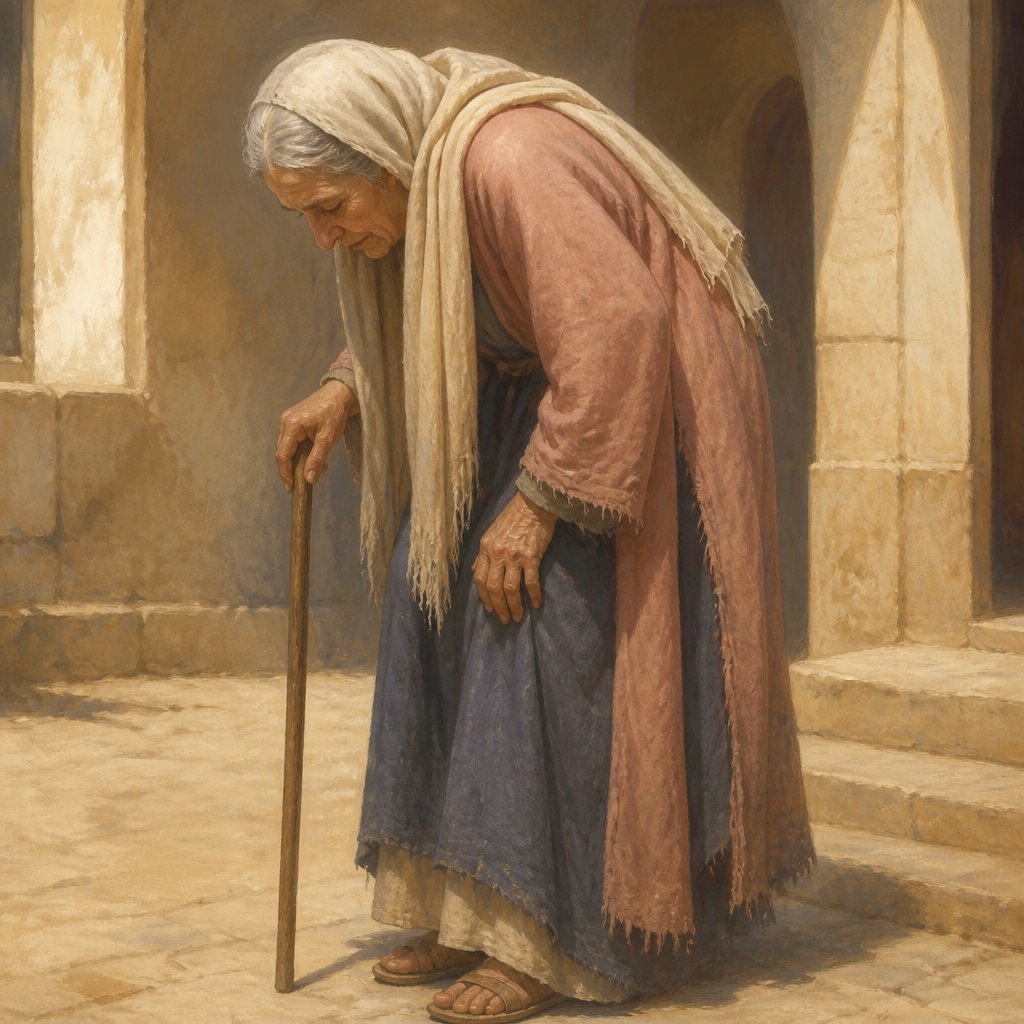
In the Gospel of Luke, we encounter a poignant moment in the ministry of Jesus that exemplifies His compassion and power. Luke 13:11 presents us with a vivid image of despair and suffering: "And, behold, there was a woman which had a spirit of infirmity eighteen years, and was bowed together, and could in no wise lift up herself." This verse invites us to reflect deeply on the woman’s condition, her long suffering, and the response of Jesus.
The phrase "spirit of infirmity" indicates that her affliction was not merely physical; it likely involved spiritual and emotional dimensions as well. For eighteen long years, this woman found herself literally and metaphorically bent down—unable to stand tall or live fully. Each day consisted of struggles, limitations, and the burden of her condition, overshadowing her existence. Perhaps she was ostracized, seen as a physical embodiment of disgrace, or perhaps she battled with feelings of shame, hopelessness, and despair.
What strikes me most about this woman is her resilience in the face of prolonged suffering. Eighteen years is a long time to endure pain, and one might wonder why she had not been healed sooner. Perhaps she had prayed fervently, sought help, and still found herself in the same despairing condition. The scriptures do not specify how her life changed during these long years of infirmity, but they highlight a stark truth: she could in no wise lift up herself.
This phrase resonates with many of us who experience our own forms of brokenness—whether emotional, physical, spiritual, or relational. Often, we find ourselves in situations where we feel utterly powerless, burdened by weight we cannot lift. We may feel like this woman, spent from battling life’s challenges and held captive by despair. Maybe we have been bent low under the weight of loss, guilt, addiction, or societal pressures. In these moments, the enemy whispers lies of defeat, suggesting that there is no possibility for change or hope. However, the story doesn’t end in hopelessness.
As we delve further, we see that Jesus arrives on the scene, and the situation transforms drastically. The scripture tells us in the following verses that Jesus called her to Him and declared, "Woman, thou art loosed from thine infirmity" (Luke 13:12). This moment is pivotal; it is not just an act of healing but a proclamation of freedom. Jesus’ authority transcends her years of suffering and lifts the burden in an instant. This single touch from the Master marked the beginning of her liberation and restoration.
The juxtaposition between her long years of infirmity and the moment of her healing illustrates an essential aspect of our faith: God sees us in our struggles. He is aware of our pain and wait patiently for us to surrender those burdens to Him. In this scene, we are reminded that although our trials may seem interminable, God's timeline for healing and restoration does not conform to our understanding. It is often through our deepest pain that He does His greatest work, sometimes waiting for us to acknowledge our own limitations before extending His hand of grace.
In our lives, we may not experience physical healing as this woman did, but we are called to trust that God has the power to heal our spiritual and emotional wounds. He invites us to come to Him, just as the woman did, to find freedom and strength in our brokenness. As we bow before Him in humility, acknowledging our neediness, we receive His touch. We must remember that no matter how low we feel, our identity in Christ positions us for resurrection. We are called to stand upright, not because of our strength, but because of His.
So today, if you find yourself "bowed together" under the weight of life’s burdens, remember that Jesus is ready to meet you. He comes not only to heal but to restore dignity and purpose. With one word, He can unbind what has held you captive for far too long. May we take a step forward in faith, recognizing our weakness and embracing His strength, knowing that we too, like the woman in Luke 13, can be made whole.
Get our apps


Artwork for Luke 13:11

Luke 13:11 - "¶ And, behold, there was a woman which had a spirit of infirmity eighteen years, and was bowed together, and could in no wise lift up herself."
"¶ And, behold, there was a woman which had a spirit of infirmity eighteen years, and was bowed together, and could in no wise lift up herself." - Luke 13:11
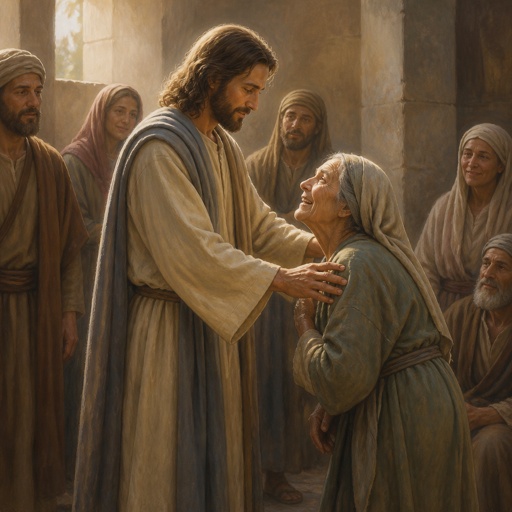
"And behold, there was a woman who had a spirit of infirmity eighteen years, and was bent over and could in no way raise herself up. But when Jesus saw her, He called her to Him and said to her, "Woman, you are loosed from your infirmity." And He laid His hands on her, and immediately she was made straight, and glorified God." - Luke 13:11-13

Luke 11:13 - "If ye then, being evil, know how to give good gifts unto your children: how much more shall your heavenly Father give the Holy Spirit to them that ask him?"
Psalm 1:1-3
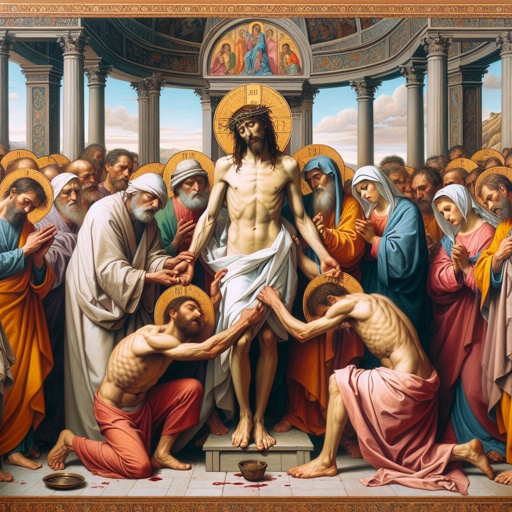
Pain 1:1-3

Luke 11:11-13 - "Which of you fathers, if your son asks for a fish, will give him a snake instead? Or if he asks for an egg, will give him a scorpion? If you then, though you are evil, know how to give good gifts to your children, how much more will your Father in heaven give the Holy Spirit to those who ask him!"

Luke 13:18-19

Luke 13:20-21

Luke 13:20-21

Luke 13:18-19
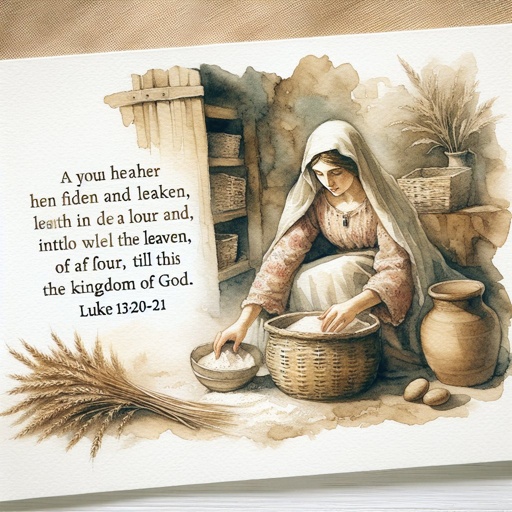
Luke 13:20-21

Luke 13:20-21

Luke 13:20-21

Luke 1:13

Luke 1:13

Luke 8:13

Luke 13:24

Luke 8:13

Luke 1:13

Luke 1:13

Luke 8:13

Luke 1:13

Luke 2:13

Luke 1:13
Luke 11:9

luke 11:23

luke 11:23

luke 11:23

Luke 8:11