A Seat at the Table: Embracing the Least Among Us
“Then said he also to him that bade him, When thou makest a dinner or a supper, call not thy friends, nor thy brethren, neither thy kinsmen, nor thy rich neighbours; lest they also bid thee again, and a recompence be made thee. But when thou makest a feast, call the poor, the maimed, the lame, the blind: And thou shalt be blessed; for they cannot recompense thee: for thou shalt be recompensed at the resurrection of the just.” — Luke 14:12-14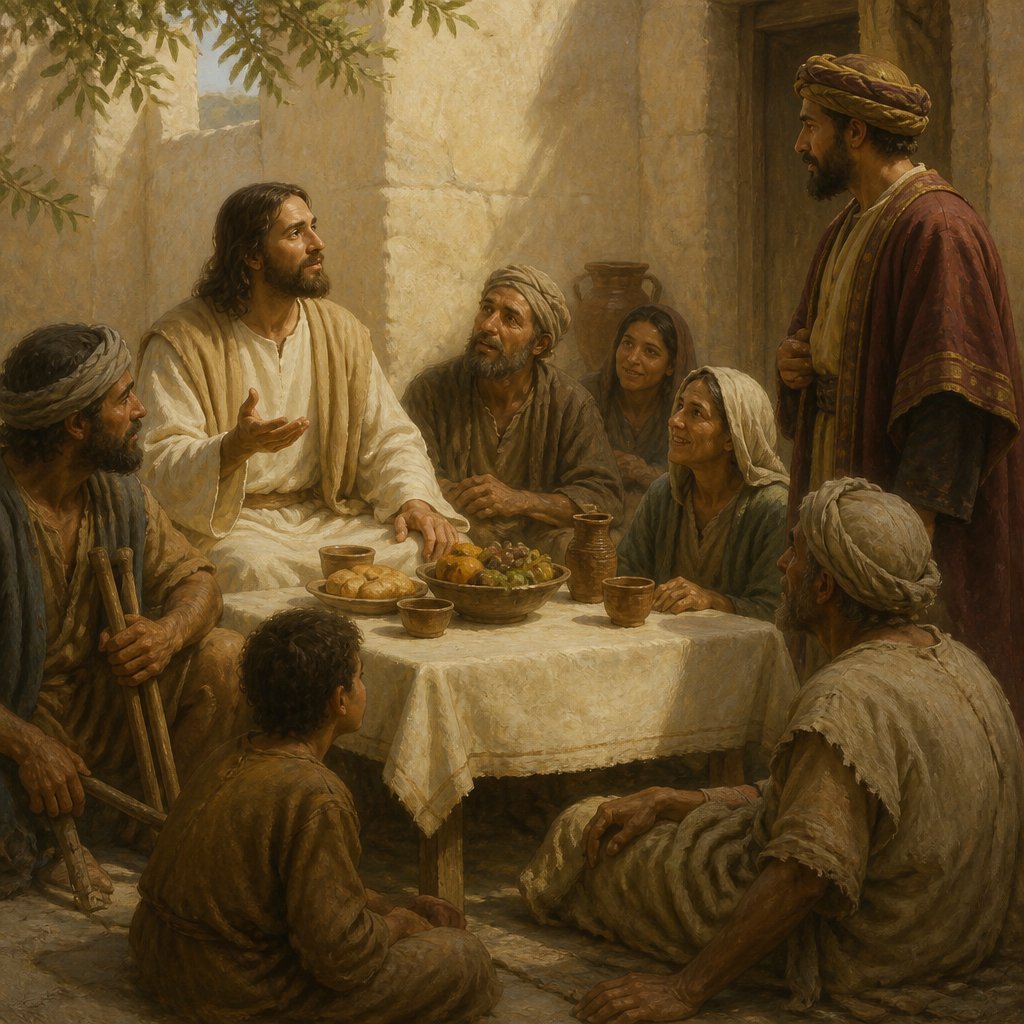
In the Gospel according to Luke, Jesus presents us with a profound teaching that challenges our natural inclinations and societal norms. Luke 14:12-14 states: "Then said he also to him that bade him, When thou makest a dinner or a supper, call not thy friends, nor thy brethren, neither thy kinsmen, nor thy rich neighbours; lest they also bid thee again, and a recompence be made thee. But when thou makest a feast, call the poor, the maimed, the lame, the blind: And thou shalt be blessed; for they cannot recompense thee: for thou shalt be recompensed at the resurrection of the just."
In this passage, Jesus is seated at the table of a Pharisee, a scene set amidst the cultured and the wealthy. It is a banquet of social elites, where the guests are expected to be those who can reciprocate hospitality and favor. Yet Jesus, in His radical fashion, turns the tables—literally and metaphorically—on the cultural expectations of His time.
The key instruction not to invite our friends or wealthy neighbors begs the question—why should this be? At first glance, this might seem impractical or even rude, but Jesus reveals a deeper, spiritual truth hidden within the act of dining together. The invitation of friends and kin might lead to a cycle of reciprocal hospitality, where relationships are built on a give-and-take foundation. The essence of this exchange can quickly devolve into self-interest rather than genuine benevolence.
By advocating for the inclusion of "the poor, the maimed, the lame, the blind," Jesus calls us to engage with those who are often marginalized and overlooked within society. He invites us to see the intrinsic worth of every person, regardless of their social status or capabilities. They cannot pay us back for our generosity; they have no means to reciprocate our kindness. Herein lies the beauty of Jesus' teaching: true hospitality must stem from a place of love and selflessness, not from the expectation of returns.
In a world driven by calculations of status and favor, Jesus flips this dynamic, urging His followers to create community not through exclusivity but through inclusivity. Imagine a banquet table filled not with the elite but with those who need hope, healing, and kindness. Such an act of inviting the least of these transforms the meal from a mere gathering into a sacred opportunity to represent the heart of God—a God who loves the marginalized and seeks a relationship with them.
The promise He attaches to this act of generosity is awe-inspiring: "for thou shalt be recompensed at the resurrection of the just." This statement underscores the eternal principles of God's kingdom. Our acts of kindness toward those who cannot repay us do not go unnoticed. God sees every sacrifice done in love and will reward it in His perfect timing, often beyond our imagination.
As believers, what does this mean for us in practical terms? Firstly, it calls us to assess our own hearts regarding why we engage in acts of hospitality or kindness. Are we motivated by social status, or are we genuinely moved by love for our neighbor? When planning gatherings in our lives, be it large events or intimate dinners, consider whom we are inviting.
Are we reaching out to those who might feel forgotten? Are we using our resources and influence to uplift those in need?
Furthermore, embracing this teaching encourages us to create spaces where the marginalized feel valued and included. As we engage in such divine acts of love, we fulfill not only Jesus' command but also reflect the very nature of Christ Himself who dined with sinners and embraced the outcast.
Ultimately, let us remember that each feast we host in this life is a mere shadow of the eternal banquet that awaits us with Christ. In the grand tapestry of God's kingdom, every act of love, especially toward the least among us, is genuinely a treasure stored in the heavens, where God will honor our acts at the resurrection of the just.
Get our apps


Artwork for Luke 14:12-14

Luke 14:12-14 - "Then Jesus said to his host, "When you give a luncheon or dinner, do not invite your friends, your brothers or sisters, your relatives, or your wealthy neighbors; if you do, they may invite you back and so you will be repaid. But when you give a banquet, invite the poor, the crippled, the lame, the blind, and you will be blessed. Although they cannot repay you, you will be repaid at the resurrection of the righteous."
"Then Jesus said to his host, "When you give a luncheon or dinner, do not invite your friends, your brothers or sisters, your relatives, or your wealthy neighbors; if you do, they may invite you back and so you will be repaid. But when you give a banquet, invite the poor, the crippled, the lame, the blind, and you will be blessed. Although they cannot repay you, you will be repaid at the resurrection of the righteous." - Luke 14:12-14

Luke 12:14 - "And he said unto him, Man, who made me a judge or a divider over you?"

Luke 14:14 - "And thou shalt be blessed; for they cannot recompense thee: for thou shalt be recompensed at the resurrection of the just."

Luke 11:14-15

Luke 18:9-14

Luke 11:1-14

Luke 14:25 - 33

Luke 11:1-14

Luke 2:13-14

Luke 18: 9-14

Luke 2:13-14
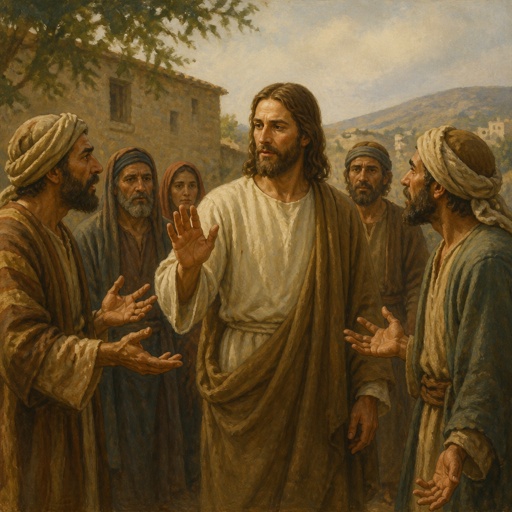
"And he said unto him, Man, who made me a judge or a divider over you?" - Luke 12:14

1 cor 12:12-14

Luke 14:6 - "And they could not answer him again to these things."

Romans 14:12

Isaiah 14:12

Colossians 4:14 - "Luke, the beloved physician, and Demas, greet you."

Luke 14:30 - "Saying, This man began to build, and was not able to finish."
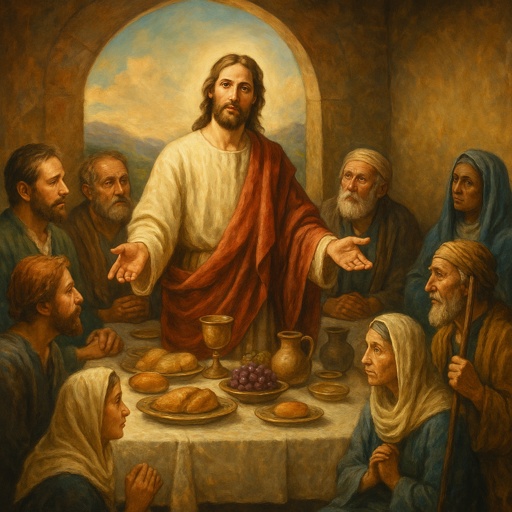
"And he put forth a parable to those which were bidden, when he marked how they chose out the chief rooms; saying unto them, When thou art bidden of any man to a wedding, sit not down in the highest room; lest a more honourable man than thou be bidden of him; And he that bade thee and him come and say to thee, Give this man place; and thou begin with shame to take the lowest room. But when thou art bidden, go and sit down in the lowest room; that when he that bade thee cometh, he may say unto thee, Friend, go up higher: then shalt thou have worship in the presence of them that sit at meat with thee. For whosoever exalteth himself shall be abased; and he that humbleth himself shall be exalted. Then said he also to him that bade him, When thou makest a feast, call the poor, the maimed, the lame, the blind: And thou shalt be blessed; for they cannot recompense thee: for thou shalt be recompensed at the resurrection of the just." - Luke 14:7-14

Luke 24:14 - "And they talked together of all these things which had happened."

1 Kings 12:14

1 Kings 12:14

Luke 10:14 - "But it shall be more tolerable for Tyre and Sidon at the judgment, than for you."

Luke 14:2 - "And, behold, there was a certain man before him which had the dropsy."

Nehemiah 12:14 - "Of Melicu, Jonathan; of Shebaniah, Joseph;"

Luke 2:14 - "Glory to God in the highest, and on earth peace, good will toward men."

Ephesians 1:4

Zephaniah 1:4

Luke 14:22 - "And the servant said, Lord, it is done as thou hast commanded, and yet there is room."