Seeking Understanding in the Midst of Celebration
“And he called one of the servants, and asked what these things meant.” — Luke 15:26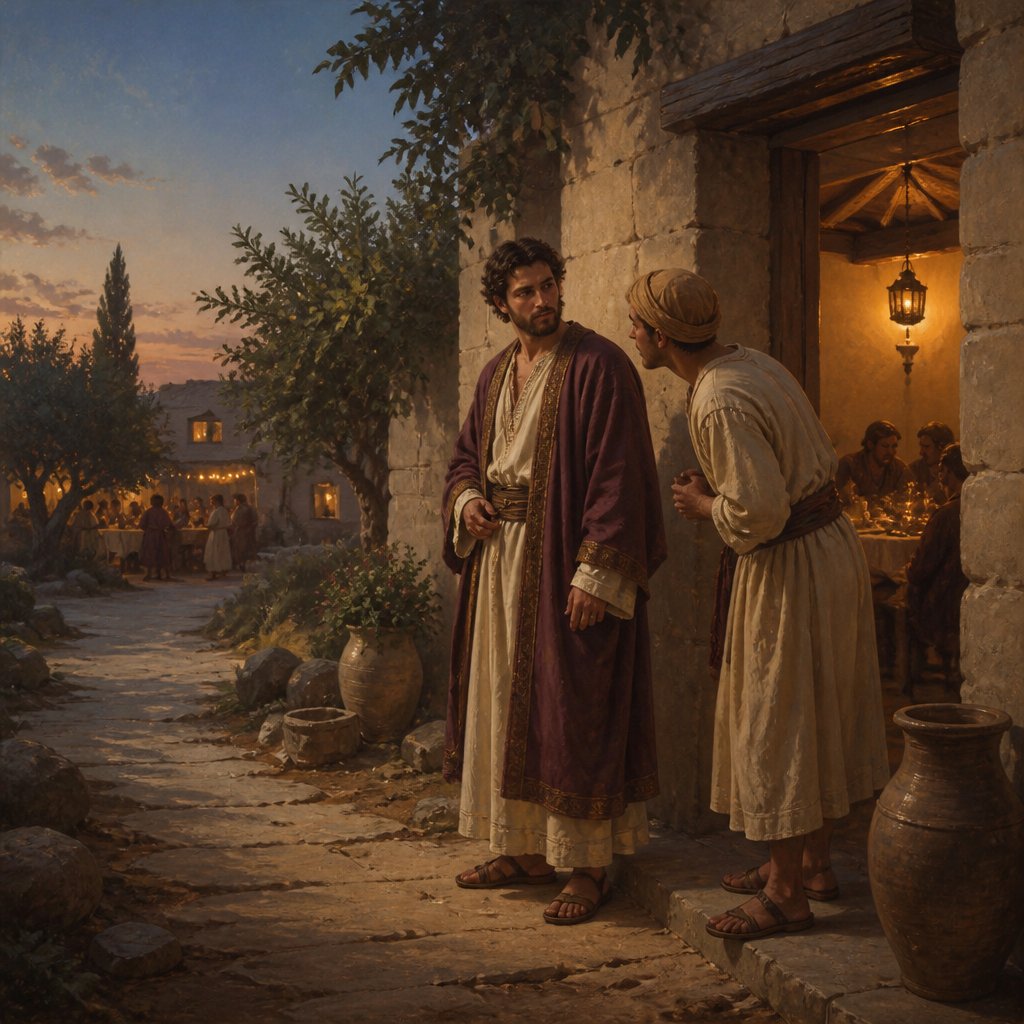
In Luke 15:25, we encounter a scene filled with emotion and familial tension. The Parable of the Prodigal Son culminates in a grand celebration as the wayward son returns home, marked by repentance and reconciliation. However, amidst the joyful revelry, we find the elder brother, described in verse 25, who remains outside, distant, and discontent. The verse we focus on, Luke 15:26, states, "And he called one of the servants, and asked what these things meant." This moment provides profound insights into human behavior, our relationship with God, and the essence of understanding in our spiritual journey.
The elder brother’s first instinct, when confronted with the sounds of celebration, is not to join in the festivities but rather to seek clarity. He is puzzled by the joy that seems to undermine his own feelings of loyalty and justice. By calling one of the servants to seek an explanation, he mirrors a common human tendency: to desire understanding before we can engage fully with our emotions and the circumstances around us.
Seeking understanding is a noble pursuit, especially in moments of confusion. The elder brother's question is steeped in vulnerability; he is uninformed, and it leads him to feeling alienated despite being close to the source of joy. In our own lives, there are moments when we may find ourselves in similar positions: looking in from the outside while others celebrate or find joy in their faith. It may come from feelings of inadequacy, resentment, or misunderstanding of God’s grace and love for others.
This parable beautifully illustrates how God's grace operates. The elder brother remains oblivious to the depth of his father's love for both him and his brother. In calling the servant, he is trying to bridge the gap of understanding which has arisen in his heart. Just as he turned to the servant, we are reminded that when confusion looms in our spiritual lives, it is not a sign of weakness to seek counsel—rather, it’s an opportunity for growth. In moments of emotional turmoil, we can reach out to spiritual mentors, wise friends, or the teachings of scripture to help us navigate the complexities of our feelings.
The elder brother’s query, however, also underscores a critical aspect of the human condition: pride. His question hints at an unsaid expectation – that he should be the one privy to the reason for the celebration, given his fidelity and hard work. It reflects a struggle that many face in their relationship with God—feeling entitled to understanding His plans and the grace He extends to others. This entitlement can often blind us to the reality of God's unconditional love for every individual, regardless of their past.
Moreover, the elder brother's approach raises the question of our own openness to divine revelation. Are we willing to see God’s actions through the lens of grace, or do we stand just outside the party, belligerently waiting for acknowledgment of our hard work and dedication? Too often, we can become so consumed by our own perceptions of fairness that we neglect to appreciate the joy of redemption for others.
Desiring understanding comes with the responsibility of keeping our hearts open to what God may unveil. In Proverbs 4:7 (KJV), we read, "Wisdom is the principal thing; therefore get wisdom: and with all thy getting get understanding." The elder brother sought knowledge about the festivities, but true understanding often comes with wisdom—seeing others through God's eyes.
As we reflect on Luke 15:26, let us take permission to seek understanding when we encounter situations that puzzle us. Let it prompt us to dive deeper into our relationship with God, exploring the dimensions of His grace and mercy. Let us also examine the condition of our hearts towards others—are we able to rejoice in their victories, or do we walk in the shadows, nursing our grievances? For in every celebration, there is an opportunity for unity and love, and just as the father in the parable urges the elder brother to join in the festivities, God invites us too into the fullness of joy found in grace and love.
Get our apps


Artwork for Luke 15:26

Luke 15:26 - "And he called one of the servants, and asked what these things meant."
"And he called one of the servants, and asked what these things meant." - Luke 15:26

luke 1:26

luke 1:26

Luke 1:26

Luke 12:25-26

Luke 12:25-26

Luke 16:22-26

Luke 12:25-26

Luke 6:21-26

Luke 12:25-26

Luke 12:25-26

Luke 12:25-26

Luke 6:21-26

Luke 5:17-26

Luke 12:25-26

Isa 26:15

Luke 18:26 - "And they that heard it said, Who then can be saved?"

Matthew 26:15

Matthew 26:15

Luke 8:26 - "¶ And they arrived at the country of the Gadarenes, which is over against Galilee."

Joshua 15:26 - "Amam, and Shema, and Moladah,"
Luke 15:23

Luke 15:10

John 15:26 NLT

Luke 15:21

Luke 15:21

Luke 17:26 - "And as it was in the days of Noe, so shall it be also in the days of the Son of man."

Luke 15: 4-7

Luke 11:14-15