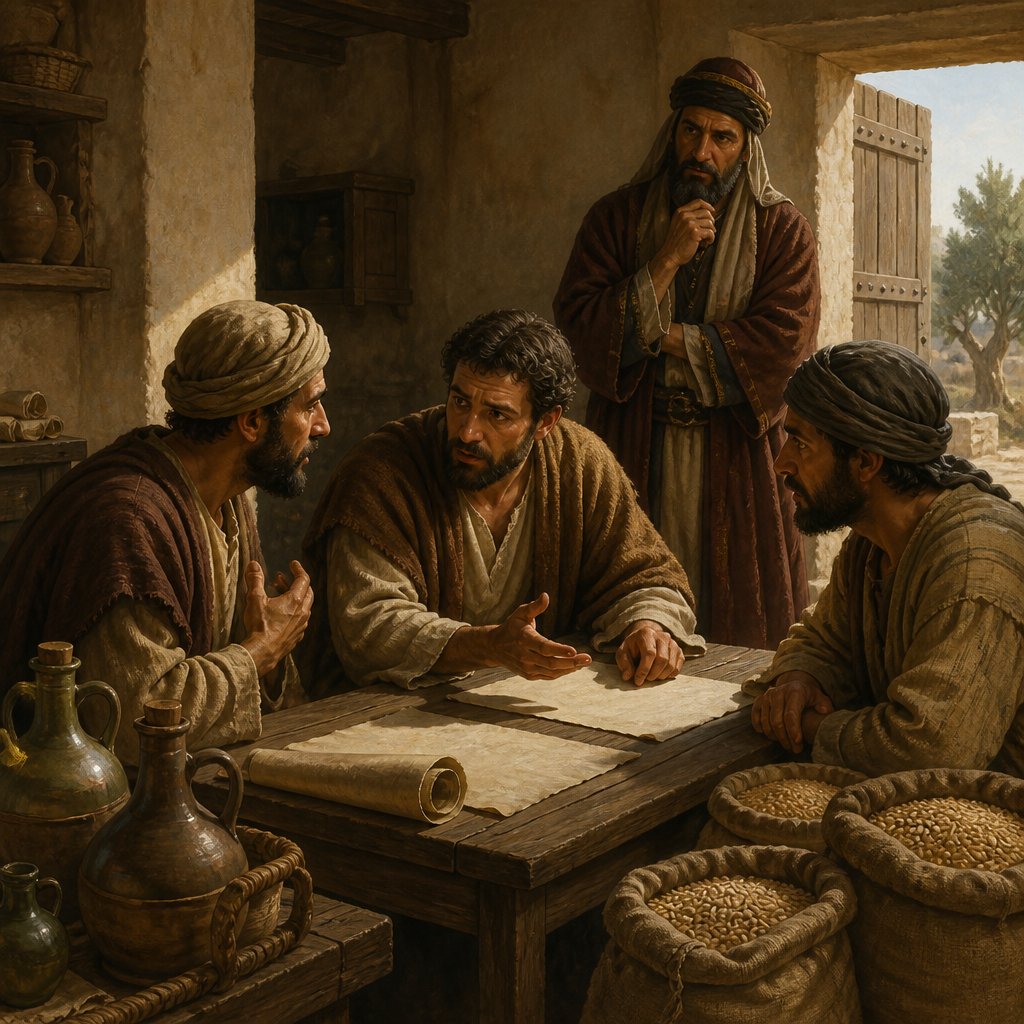
In the parable of the unjust steward found in Luke 16:1-8, Jesus shares a profound story that elucidates significant truths about stewardship, wisdom, and the nature of the Kingdom of God.
The scripture begins with an account of a certain rich man who had a steward, a servant responsible for managing his estate. However, this steward was accused of wasting his master’s goods, prompting a reckoning. The master calls the steward to account, demanding a report on his stewardship. With no skills for manual labor and too proud to beg, the steward finds himself in a precarious position.
"What shall I do?" he ponders, realizing the end of his stewardship is imminent. In his moment of desperation, he devises a clever plan. He seeks out his master’s debtors and reduces their debts, ostensibly to ingratiate himself with them for future assistance when he loses his job.
The rich man’s reaction to the steward’s actions is startling. Rather than punish him, the master commends the unjust steward for his shrewdness. Jesus concludes with the admonition that "the children of this world are in their generation wiser than the children of light."
This parable leaves us at a crossroads of reflection about our own stewardship—how we manage the resources, opportunities, and relationships entrusted to us by God. It challenges our understanding of wisdom and resourcefulness in the light of divine purpose.
### Understanding Stewardship
Stewardship is fundamentally about responsibility and accountability. Each of us is entrusted with gifts—time, talent, finances, and relationships. Like the steward, we may not always fulfill our responsibilities perfectly. However, there often arises a moment of reckoning as we navigate the consequences of our choices.
In true accountability, we must realize that being a steward goes beyond just managing what we’re given; it involves aligning our use of these resources with God’s Kingdom principles. This means making decisions that are wise, compassionate, and ultimately beneficial for others. The unjust steward, in his self-serving cunning, realized that influencing others could secure his future, even albeit through questionable means. The challenge for us is to embody wisdom that seeks the good of others through our stewardship.
### The Wisdom of the World versus the Wisdom of God
Jesus makes a pointed observation about the wisdom of the world as opposed to the wisdom found in God’s children. The steward's actions reflect a worldly shrewdness that is often necessary in navigating life's challenges. However, this 'wisdom' should not lead us to compromise our values or resort to deceit. Instead, we’re called to employ wisdom that reflects Christ's character—one that honors honesty and integrity.
As believers, we need to strive for a balance where our resourcefulness does not lead to unjust means. We are to be wise as serpents but harmless as doves (Matthew 10:16). The challenge put forth by Jesus encourages us to assess are we using our resources effectively in building His Kingdom or are we acting like the unjust steward for self-gain?
### Concluding Thoughts
In a world that celebrates shrewdness, as followers of Christ, we must navigate our stewardship with a profound understanding of God’s wisdom. We are called to bring light into darkness, to glorify God with our actions. The steward's story teaches us that it isn’t too late to adjust our paths. With every breath, we are given the opportunity to reconcile with God, recalibrating how we use what He has blessed us with.
As you reflect on Luke 16:1-8 today, consider your own stewardship. Evaluate the resources and positions you hold. Are you embracing wisdom that honors God? Remember, it is not about being unjustly shrewd but being faithfully wise in the advancement of His Kingdom.
Get our apps


Artwork for Luke 16:1-8

Luke 16:1-8 - "Luke 16:1-8 Jesus told his disciples: "There was a rich man whose manager was accused of wasting his possessions. So he called him in and asked him, 'What is this I hear about you? Give an account of your management, because you cannot be manager any longer.' The manager said to himself, 'What shall I do now? My master is taking away my job. I'm not strong enough to dig, and I'm ashamed to beg-- I know what I'll do so that, when I lose my job here, people will welcome me into their houses.' So he called in each one of his master's debtors. He asked the first, 'How much do you owe my master?' 'Nine hundred gallons of olive oil,' he replied. The manager told him, 'Take your bill, sit down quickly, and make it four hundred and fifty.' Then he asked the second, 'And how much do you owe?' 'A thousand bushels of wheat,' he replied. He told him, 'Take your bill and make it eight hundred.' The master commended the dishonest manager because he had acted shrewdly. For the people of this world are more shrewd in dealing with their own kind than are the people of the light."
"Luke 16:1-8 Jesus told his disciples: "There was a rich man whose manager was accused of wasting his possessions. So he called him in and asked him, 'What is this I hear about you? Give an account of your management, because you cannot be manager any longer.' The manager said to himself, 'What shall I do now? My master is taking away my job. I'm not strong enough to dig, and I'm ashamed to beg-- I know what I'll do so that, when I lose my job here, people will welcome me into their houses.' So he called in each one of his master's debtors. He asked the first, 'How much do you owe my master?' 'Nine hundred gallons of olive oil,' he replied. The manager told him, 'Take your bill, sit down quickly, and make it four hundred and fifty.' Then he asked the second, 'And how much do you owe?' 'A thousand bushels of wheat,' he replied. He told him, 'Take your bill and make it eight hundred.' The master commended the dishonest manager because he had acted shrewdly. For the people of this world are more shrewd in dealing with their own kind than are the people of the light." - Luke 16:1-8

Luke 16:1-13

Luke 16:1-1313

Luke 16:1-13

Luke 16:1-13

Luke 8:16

Luke 8:5-8

Luke 8:13

Luke 8:13

Luke 8:13

Luke 2 v 8

Luke 8:4-18

Luke 16:8 - "And the lord commended the unjust steward, because he had done wisely: for the children of this world are in their generation wiser than the children of light."

Luke 1:16 - "And many of the children of Israel shall he turn to the Lord their God."

Luke 8:16 - "¶ No man, when he hath lighted a candle, covereth it with a vessel, or putteth it under a bed; but setteth it on a candlestick, that they which enter in may see the light."

Luke 16:1 - "And he said also unto his disciples, There was a certain rich man, which had a steward; and the same was accused unto him that he had wasted his goods."

1 Corinthians 16:8 - "But I will tarry at Ephesus until Pentecost."

1 Chronicles 8:16 - "And Michael, and Ispah, and Joha, the sons of Beriah;"

Luke 1:8 - "And it came to pass, that while he executed the priest's office before God in the order of his course,"

Luke 8:7 - "And some fell among thorns; and the thorns sprang up with it, and choked it.

"And many of the children of Israel shall he turn to the Lord their God." - Luke 1:16
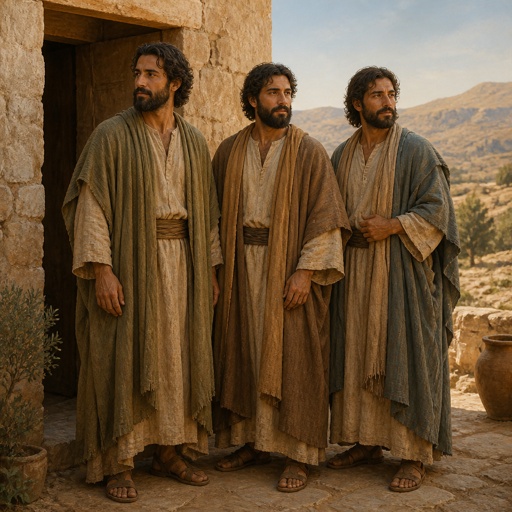
"And Michael, and Ispah, and Joha, the sons of Beriah;" - 1 Chronicles 8:16
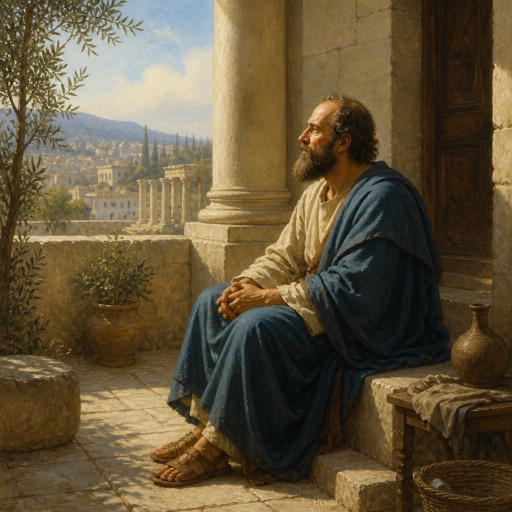
"But I will tarry at Ephesus until Pentecost." - 1 Corinthians 16:8

luke 4:16

1 Samuel 16:8 - "Then Jesse called Abinadab, and made him pass before Samuel. And he said, Neither hath the LORD chosen this."

1 Chronicles 16:8 - "Give thanks unto the LORD, call upon his name, make known his deeds among the people."

Luke 8:1 - "And it came to pass afterward, that he went throughout every city and village, preaching and shewing the glad tidings of the kingdom of God: and the twelve were with him,"

Soothing the Soul: The Gospel of Gentle Care 1 Kings 19:3-8; 1 Samuel 16:14-23

Soothing the Soul: The Gospel of Gentle Care 1 Kings 19:3-8; 1 Samuel 16:14-23