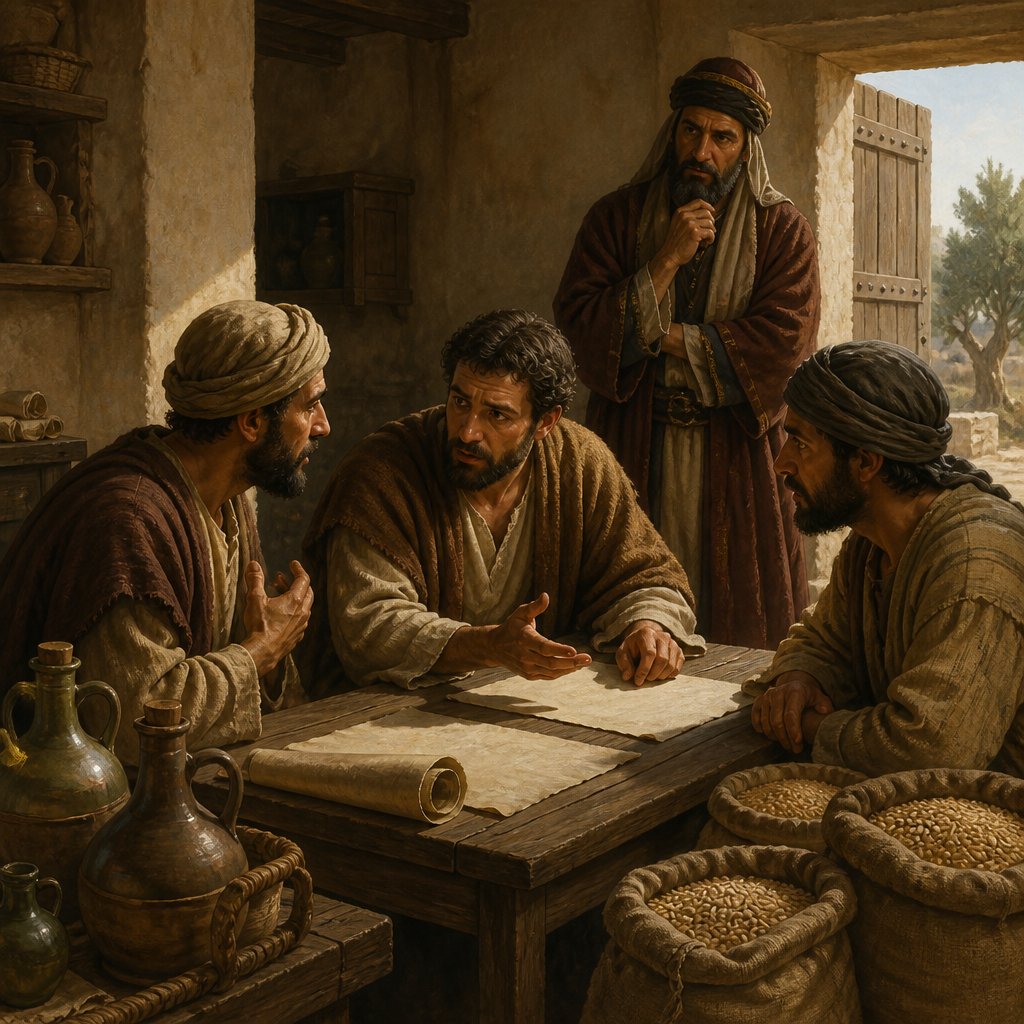
The passage Luke 16:1-8 from the King James Version (KJV) is a parable spoken by Jesus to his disciples. In this parable, a rich man who had a steward, or manager, was informed that his steward was wasting his possessions. The rich man called the steward and told him to give an account of his management, as he was going to be removed from his position. The steward then considered what he should do in the face of being fired, as he was not strong enough to dig and too proud to beg.
The steward then came up with a plan to secure his future. He called in each of his master's debtors and asked them how much they owed. He then reduced the debts of the debtors; to one, he reduced the amount owed by 50%, and to another, he reduced it by 20%. By doing this, the steward made friends with these debtors, who would likely help or provide for him in the future.
When the rich man found out what the steward had done, he commended him for his shrewdness. Jesus then concludes the parable by saying, "For the children of this world are in their generation wiser than the children of light."
What is the meaning and significance of this parable? At first glance, the steward's actions seem unethical and dishonest. However, it is important to note that Jesus wasn't endorsing the steward's behavior but rather using it to make a point. The steward had been wise in securing his earthly future by using his master's assets. In the same way, the disciples should be wise in using their resources to prepare for their eternal future.
One of the central themes of this parable is the concept of stewardship. In this context, stewardship refers to the responsible management of resources that have been entrusted to us. It extends beyond the financial realm and includes our time, abilities, and opportunities. The parable challenges us to consider how we are using the resources and opportunities that God has given us. Are we being wise and responsible in our management of these gifts or are we being wasteful and self-serving?
Another theme that can be drawn from this parable is the contrast between the values of the world and the values of the kingdom of God. The steward is commended not for his honesty or integrity but for his shrewdness in securing his future. Jesus contrasts the "children of this world" with the "children of light," highlighting the difference in priorities and actions. This serves as a reminder to the disciples that they are called to live according to a different set of values than those of the world.
The parable also serves as a warning against the love of money and material possessions. The steward's actions were driven by his desire to secure his own future and avoid hardship. Jesus uses this as an example of how the pursuit of wealth and security can lead to unwise and even unethical behavior. The parable serves as a call to prioritize eternal values over worldly wealth and to use our resources in a way that aligns with God's kingdom.
In the larger context of the book of Luke, this parable is part of a series of teachings and parables that address the issue of money and wealth. Jesus frequently spoke on the subject of money, recognizing its potential to become a stumbling block for believers. This parable, along with others in Luke, serves as a reminder of the dangers of greed and the importance of using wealth in a way that pleases God.
This parable also contains symbolism that can be interpreted in different ways. The rich man can be seen as representing God, the steward as a symbol of believers, and the debtors as people in need of grace and forgiveness. The actions of the steward in reducing the debts of the debtors can be seen as a reflection of God's grace and mercy towards sinners. It can also be seen as a call for believers to use their resources to help those in need and to advance the kingdom of God.
In conclusion, the parable of the dishonest steward in Luke 16:1-8 is a rich and thought-provoking passage that challenges believers to consider their stewardship of the resources and opportunities that God has given them. It serves as a warning against the love of money and material possessions and inspires believers to prioritize eternal values over worldly wealth. The parable also contains symbolism that highlights the grace and mercy of God and the call for believers to extend that grace to others. Through this parable, Jesus encourages his disciples to use their resources wisely and in a way that aligns with the values of the kingdom of God.
Get our apps


Artwork for Luke 16:1-8

Luke 16:1-8 - "Luke 16:1-8 Jesus told his disciples: "There was a rich man whose manager was accused of wasting his possessions. So he called him in and asked him, 'What is this I hear about you? Give an account of your management, because you cannot be manager any longer.' The manager said to himself, 'What shall I do now? My master is taking away my job. I'm not strong enough to dig, and I'm ashamed to beg-- I know what I'll do so that, when I lose my job here, people will welcome me into their houses.' So he called in each one of his master's debtors. He asked the first, 'How much do you owe my master?' 'Nine hundred gallons of olive oil,' he replied. The manager told him, 'Take your bill, sit down quickly, and make it four hundred and fifty.' Then he asked the second, 'And how much do you owe?' 'A thousand bushels of wheat,' he replied. He told him, 'Take your bill and make it eight hundred.' The master commended the dishonest manager because he had acted shrewdly. For the people of this world are more shrewd in dealing with their own kind than are the people of the light."
"Luke 16:1-8 Jesus told his disciples: "There was a rich man whose manager was accused of wasting his possessions. So he called him in and asked him, 'What is this I hear about you? Give an account of your management, because you cannot be manager any longer.' The manager said to himself, 'What shall I do now? My master is taking away my job. I'm not strong enough to dig, and I'm ashamed to beg-- I know what I'll do so that, when I lose my job here, people will welcome me into their houses.' So he called in each one of his master's debtors. He asked the first, 'How much do you owe my master?' 'Nine hundred gallons of olive oil,' he replied. The manager told him, 'Take your bill, sit down quickly, and make it four hundred and fifty.' Then he asked the second, 'And how much do you owe?' 'A thousand bushels of wheat,' he replied. He told him, 'Take your bill and make it eight hundred.' The master commended the dishonest manager because he had acted shrewdly. For the people of this world are more shrewd in dealing with their own kind than are the people of the light." - Luke 16:1-8

Luke 16:1-13

Luke 16:1-1313

Luke 16:1-13

Luke 16:1-13

Luke 8:16

Luke 8:5-8

Luke 8:13

Luke 8:13

Luke 8:13

Luke 2 v 8

Luke 8:4-18

Luke 16:8 - "And the lord commended the unjust steward, because he had done wisely: for the children of this world are in their generation wiser than the children of light."

Luke 1:16 - "And many of the children of Israel shall he turn to the Lord their God."

Luke 8:16 - "¶ No man, when he hath lighted a candle, covereth it with a vessel, or putteth it under a bed; but setteth it on a candlestick, that they which enter in may see the light."

Luke 16:1 - "And he said also unto his disciples, There was a certain rich man, which had a steward; and the same was accused unto him that he had wasted his goods."

1 Corinthians 16:8 - "But I will tarry at Ephesus until Pentecost."

1 Chronicles 8:16 - "And Michael, and Ispah, and Joha, the sons of Beriah;"

Luke 1:8 - "And it came to pass, that while he executed the priest's office before God in the order of his course,"

Luke 8:7 - "And some fell among thorns; and the thorns sprang up with it, and choked it.

"And many of the children of Israel shall he turn to the Lord their God." - Luke 1:16
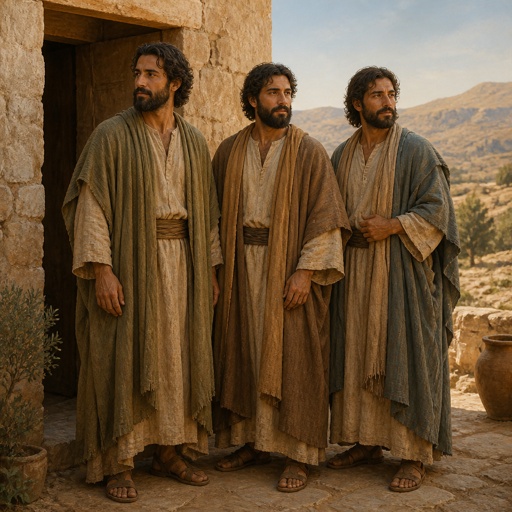
"And Michael, and Ispah, and Joha, the sons of Beriah;" - 1 Chronicles 8:16
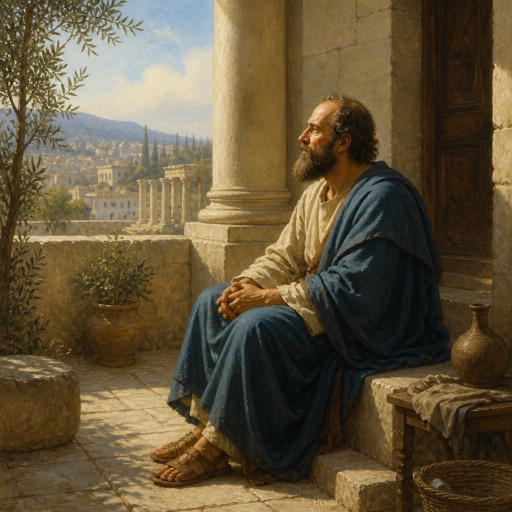
"But I will tarry at Ephesus until Pentecost." - 1 Corinthians 16:8

luke 4:16

1 Samuel 16:8 - "Then Jesse called Abinadab, and made him pass before Samuel. And he said, Neither hath the LORD chosen this."

1 Chronicles 16:8 - "Give thanks unto the LORD, call upon his name, make known his deeds among the people."

Luke 8:1 - "And it came to pass afterward, that he went throughout every city and village, preaching and shewing the glad tidings of the kingdom of God: and the twelve were with him,"

Soothing the Soul: The Gospel of Gentle Care 1 Kings 19:3-8; 1 Samuel 16:14-23

Soothing the Soul: The Gospel of Gentle Care 1 Kings 19:3-8; 1 Samuel 16:14-23