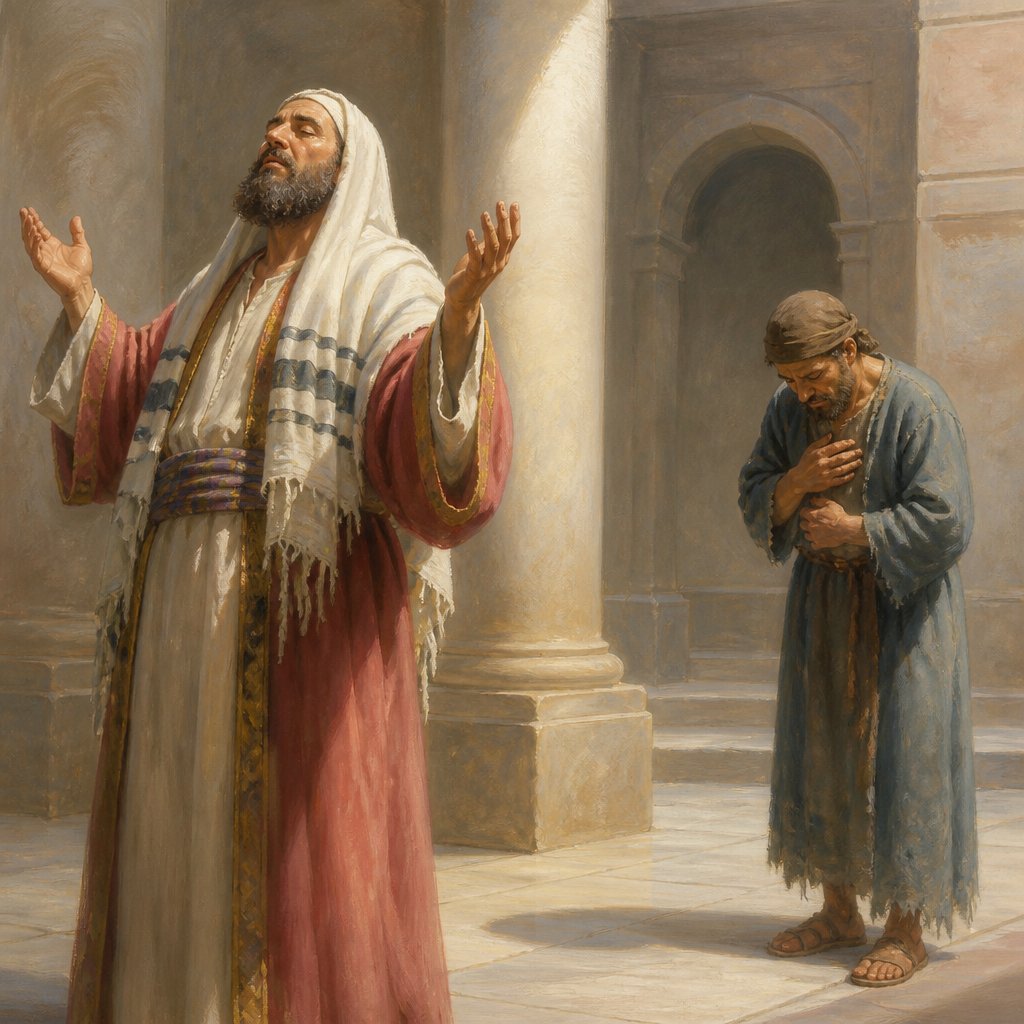
In the sacred narrative that unfolds in Luke 18:10-14, we find a powerful portrayal of two contrasting characters coming before God in prayer. The scene is set within the temple, a place designated for worship and communion with the Divine. Here, we meet the Pharisee, a man of religious stature and societal respect, and the publican, a tax collector, often despised for his occupation. This passage reveals profound truths about human nature, the heart of worship, and the essence of humility.
The Pharisee stands confidently in the temple, boasting before God, "God, I thank thee, that I am not as other men are..." (Luke 18:11). His prayer, while ostensibly directed at God, becomes a litany of self-congratulation and a comparison with others. By listing his commendable actions—his fasting, his tithing, his perceived righteousness—he elevates himself above those he deems unworthy, particularly that of the publican. His approach underscores a critical perspective on righteousness: one that measures holiness by outward behavior and social standing.
However, the juxtaposition of the publican reveals a different heart altogether. Standing afar off, he cannot even raise his eyes to heaven. Instead, in humility and contrition, he strikes his breast, crying out, "God be merciful to me a sinner" (Luke 18:13). This simple yet profound plea is powerful because it acknowledges his need and unworthiness before a holy God. Unlike the Pharisee, the publican recognizes the gravity of his sins and his inability to earn righteousness through his actions.
What makes this narrative riveting is its subversion of societal standards. The Pharisee, a figure who would traditionally represent righteousness, is condemned, while the fallen publican is justified. Jesus concludes with a stark reminder of the principle of humility: "For every one that exalteth himself shall be abased; and he that humbleth himself shall be exalted" (Luke 18:14). In a world that often equates success and goodness with self-promotion and status, Jesus challenges us to re-evaluate our understanding of superiority and humility.
The implications for us today are profound. Like the Pharisee, it is easy to fall into the trap of comparison—measuring our worth against others, creating a false sense of security in our spiritual rituals and ethical standings. We may find ourselves leaning on the merit of our deeds rather than the grace of God. This attitude can lead not only to arrogance but also to a disconnect from the heart of the Gospel. The desperate cry of the publican reflects a humility that resonates with the heart of God. It is a posture of surrender, a recognition that there is an essential inequality between a holy God and broken humanity.
In our prayer lives, how often do we approach God with a sense of entitlement, believing we deserve His mercy because of our deeds? We must be wary of allowing our service to God to overshadow our need for grace. The truth is, none can stand before God based on merit; we are all sinners in need of mercy. The publican exemplifies this truth beautifully, teaching us that true prayer begins not with confidence in ourselves but with a deep awareness of our need for God.
As we meditate on this passage, let us examine our hearts and our prayers. May we not be like the Pharisee, puffed up with pride, but rather like the publican, humble and contrite. In so doing, we find that God does not merely welcome the holy and the righteous; He draws near to the broken and the repentant. Let us, therefore, approach His throne of grace with humility, knowing that it is in our weakness that His strength is made perfect.
Get our apps


Artwork for Luke 18:10-14

Luke 18:10-14 - "Two men went up to the temple to pray, one a Pharisee and the other a tax collector. The Pharisee stood by himself and prayed: 'God, I thank you that I am not like other people--robbers, evildoers, adulterers--or even like this tax collector. I fast twice a week and give a tenth of all I get.' But the tax collector stood at a distance. He would not even look up to heaven, but beat his breast and said, 'God, have mercy on me, a sinner.' I tell you that this man, rather than the other, went home justified before God. For all those who exalt themselves will be humbled, and those who humble themselves will be exalted. "
"Two men went up to the temple to pray, one a Pharisee and the other a tax collector. The Pharisee stood by himself and prayed: 'God, I thank you that I am not like other people--robbers, evildoers, adulterers--or even like this tax collector. I fast twice a week and give a tenth of all I get.' But the tax collector stood at a distance. He would not even look up to heaven, but beat his breast and said, 'God, have mercy on me, a sinner.' I tell you that this man, rather than the other, went home justified before God. For all those who exalt themselves will be humbled, and those who humble themselves will be exalted. " - Luke 18:10-14

Luke 10:18-19

Luke 10:18-19

Luke 10:18-19

Luke 10:18-19

Luke 10:18-19

Luke 10:18-19

Luke 18: 9-14

Luke 18:9-14

Luke 10:18-19

Luke 10:14 - "But it shall be more tolerable for Tyre and Sidon at the judgment, than for you."

Luke 18:10 - "Two men went up into the temple to pray; the one a Pharisee, and the other a publican."

Luke 10:18 - "And he said unto them, I beheld Satan as lightning fall from heaven."
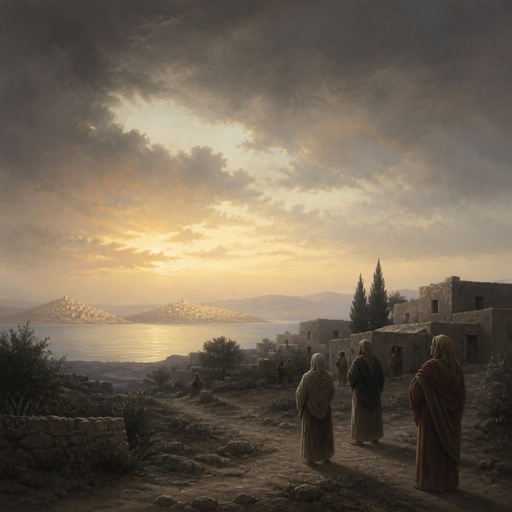
"But it shall be more tolerable for Tyre and Sidon at the judgment, than for you." - Luke 10:14

"And he said unto them, I beheld Satan as lightning fall from heaven." - Luke 10:18
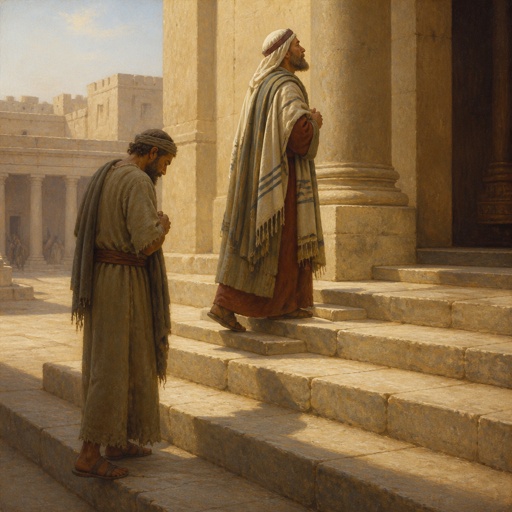
"Two men went up into the temple to pray; the one a Pharisee, and the other a publican." - Luke 18:10

Luke 18:14 - "I tell you, this man went down to his house justified rather than the other: for every one that exalteth himself shall be abased; and he that humbleth himself shall be exalted."

Luke 14:18 - "And they all with one consent began to make excuse. The first said unto him, I have bought a piece of ground, and I must needs go and see it: I pray thee have me excused."

"And he said unto them, I beheld Satan as lightning fall from heaven." - Luke 10:18

Luke 13:18-19

Luke 13:18-19

Luke 4:18

Luke 4:18

Luke 10:5

Luke 10:5

Luke 10:5

Luke 8:4-18

Luke 10:17-19

Luke 14:10 - "But when thou art bidden, go and sit down in the lowest room; that when he that bade thee cometh, he may say unto thee, Friend, go up higher: then shalt thou have worship in the presence of them that sit at meat with thee."