The Nature of Goodness: A Reflection on Eternal Life
“And a certain ruler asked him, saying, Good Master, what shall I do to inherit eternal life? And Jesus said unto him, Why callest thou me good? none is good, save one, that is, God.” — Luke 18:18-19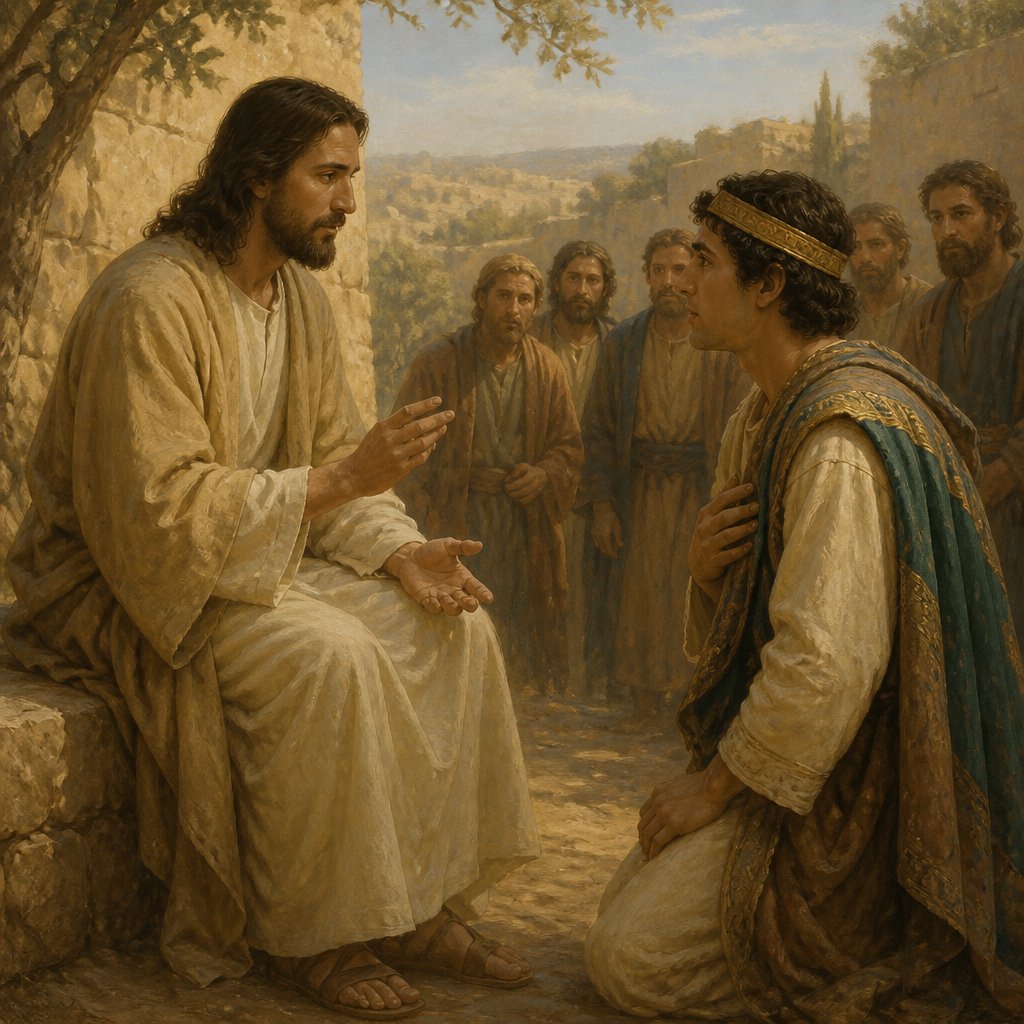
In the Gospel of Luke, Chapter 18, verses 18 and 19, an encounter unfolds between Jesus and a certain ruler. The ruler approaches Jesus with a poignant question that echoes through the ages: "Good Master, what shall I do to inherit eternal life?" To this, Jesus responds, "Why callest thou me good? None is good, save one, that is, God." This exchange presents profound theological implications regarding goodness, divinity, and the path to eternal life.
To set the stage, we must first understand the character of the ruler. He is identified as a man of position and stature; likely wealthy, educated, and possibly influential. His inquiry about eternal life reveals a deep spiritual longing that transcends mere material success. He recognizes something extraordinary in Jesus, yet he may still be grappling with his understanding of what it means to be 'good' and how one attains eternal life.
Jesus’ response is remarkably deliberate. By questioning the ruler’s address of Him as 'Good Master,' Jesus redirects the focus from an earthly status to divine reality. In doing so, He indicates that true goodness is not found in human efforts or achievements but is a characteristic of God alone. This moment can lead us to introspectively question our own definitions of goodness. In a world that often judges goodness by a scale of moral achievements or social standings, we are challenged to remember that goodness comes from God and is not merely a product of human endeavor.
This leads us to reflect on the nature of our own pursuits. Like the ruler, we often chase after the treasures of this world, seeking validation in our works or status. Yet, Jesus invites us to reconsider the essence of truly seeking fulfillment—particularly in the context of eternal life. The ruler's question about inheriting eternal life indicates a desire for something beyond the temporal, something profound that can only be found through a relationship with God.
Jesus’ assertion that "None is good, save one, that is, God" serves as a reminder of our humanity; none of us, regardless of our accolades or moral standing, can claim goodness apart from God. This realization humbles us, calls us to repentance, and opens our eyes to the grace that affords us salvation. We begin to see that eternal life is not simply a prize to be earned through good deeds, but a gift freely given by God’s grace through faith in Jesus Christ.
The ruler's query also prompts us to consider our approach to faith. Are we treating it as a checklist of good deeds rather than a transformative relationship? In our quest for the divine, how often do we seek to impress God with our actions instead of surrendering to His righteousness? Jesus, in redirecting the ruler back to God, illustrates the need for a heart that recognizes its own insufficiency and embraces God's goodness.
As we meditate on this passage, let us ask ourselves: how do we understand goodness in our lives? Are we directing our inquiries toward superficial standards or toward the One who is truly good? In this journey of faith, we must continually re-evaluate what it means to inherit eternal life. It is not merely about what we must do, but about who we must know.
Ultimately, this exchange invites us into a deeper relationship with God, urging us not just to seek the inheritance of eternal life but to embrace the Giver of life itself. Let us approach our questions with humility, acknowledging that apart from God, we cannot even begin to grasp the nature of goodness or the path to eternal life. May we call upon Jesus not just as the ‘Good Master’ but as our Lord and Savior, recognizing that it is in Him that true life and goodness are found.
Get our apps


Artwork for Luke 18:18-19

Luke 18:18-19 - "And a certain ruler asked him, saying, Good Master, what shall I do to inherit eternal life? And Jesus said unto him, Why callest thou me good? None is good, save one, that is, God."
"And a certain ruler asked him, saying, Good Master, what shall I do to inherit eternal life? And Jesus said unto him, Why callest thou me good? None is good, save one, that is, God." - Luke 18:18-19

Luke 10:18-19

Luke 13:18-19

Luke 10:18-19

Luke 10:18-19

Luke 13:18-19

Luke 10:18-19

Luke 10:18-19

Luke 10:18-19

Luke 10:18-19

Luke 19:18 - "And the second came, saying, Lord, thy pound hath gained five pounds."

Luke 18:19 - "And Jesus said unto him, Why callest thou me good? none is good, save one, that is, God."
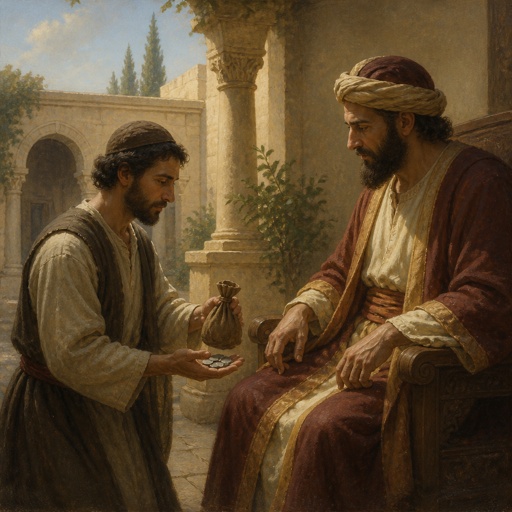
"And the second came, saying, Lord, thy pound hath gained five pounds." - Luke 19:18

Luke 4:18

Luke 4:18

Genesis 18-19

Luke 18:18 - "And a certain ruler asked him, saying, Good Master, what shall I do to inherit eternal life?"

Job 18-19

Genesis 19-18

Luke 18: 9-14

Luke 8:4-18

Luke 18:9-14

Isaiah 43:18-19

Genesis 27:18-19

Luke 18:37 - "And they told him, that Jesus of Nazareth passeth by."

Isaiah 43:18-19

Luke 21:18 - "But there shall not an hair of your head perish."

Luke 18:26 - "And they that heard it said, Who then can be saved?"

Luke 4:18-19 - "The Spirit of the Lord is on me, because he has anointed me to proclaim good news to the poor. He has sent me to proclaim freedom for the prisoners and recovery of sight for the blind, to set the oppressed free, to proclaim the year of the Lord’s favor."