Walking in Obedience: The Path to Eternal Life
“Thou knowest the commandments, Do not commit adultery, Do not kill, Do not steal, Do not bear false witness, Honour thy father and thy mother.” — Luke 18:20
In the Gospel of Luke, we encounter a profound exchange between Jesus and a rich young ruler who approaches Him with a burning question: "Good Master, what shall I do to inherit eternal life?" (Luke 18:18). In His response, Jesus quotes the commandments that define a life of obedience: "Thou knowest the commandments, Do not commit adultery, Do not kill, Do not steal, Do not bear false witness, Honour thy father and thy mother" (Luke 18:20, KJV). This teaching provides a potent framework for understanding our relationship with God, the essence of discipleship, and the profound call to a life of moral integrity.
### The Commandments and Our Society
Firstly, it is critical to understand why Jesus points to the commandments. They are not merely a list of rules, but rather a moral compass designed to guide our lives towards love, respect, and integrity. In our current society, where ethical lines often blur, these commandments provide clarity and conviction. To not commit adultery means valuing fidelity and sanctity in our relationships. This commandment speaks to the sanctity of marriage and the trust that binds individuals in their most intimate relationships. In an age where temptation lurks at every corner, adhering to this commandment fosters not only personal integrity but also protects families and communities.
Next, we reflect on the commandment to "Do not kill." This isn’t merely about refraining from the act of murder; it extends to valuing human life in all its forms. We are called to embody love, compassion, kindness, and forgiveness—attributes that build our communities rather than tear them apart. It challenges us to confront our rage, prejudice, and yes, even our apathy towards others, recognizing that we are all made in the image of God.
### Integrity in our Actions
Jesus also mentions, "Do not steal." In our consumer-driven culture, where what we possess is often equated with our value, we must remember that material wealth does not equate to happiness or fulfillment. Instead, integrity in our actions and our dealings with others serves as a testament to our faith. Jesus’ reminder indicates the importance of honesty and fairness in our endeavors, such as in our jobs, businesses, and even our relationships. When we practice honesty, we gain much more than material possessions; we gain trust and respect from those around us.
The commandment "Do not bear false witness" addresses the issue of truthfulness and integrity in our words as well. In a world filled with misinformation, gossip, and slander, we should aim to be beacons of truth that stand tall amid a culture of falsehood. Our words have the power to build others up or tear them down. Thus, choosing to speak truthfully aligns us with God’s nature, who Himself is Truth.
### The Foundation of Family
Finally, Jesus insists on honoring our father and our mother. In a time when familial dynamics often shift and evolve, the command to honor one’s parents signifies the value of familial relationships within God’s view. It implores us to exhibit respect and gratitude towards those who brought us into this world and nurtured us. This act of honoring transcends our feelings—it is a testament to our obedience to God and our recognition that people, regardless of their worthiness, augment our lives in profound ways.
### Conclusion: The Call to Action
As we reflect on these commandments, let us remember that they are not just ancient edicts but are principles for our lives today. Jesus' call to obedience is one that leads to a deeper relationship with Him and ultimately, eternal life. The rich young ruler was confronted with the challenge of prioritizing his possessions over discipleship, and we too must wrestle with what we may need to surrender in our lives to fully embrace God's call.
In today's age, how can we live out these commandments authentically? How can we challenge ourselves to extend beyond mere compliance to fully embracing these teachings in our everyday lives? May we seek God earnestly in prayer, asking Him to help us embody His commandments, nurturing a heart that longs for righteousness and expressing love through our actions and words.
In following the path of obedience, we find not only the way to eternal life but also a life enriched by purpose, peace, and profound connection with our Creator.
Get our apps


Artwork for Luke 18:20

Luke 18:20 - "Thou knowest the commandments, Do not commit adultery, Do not kill, Do not steal, Do not bear false witness, Honour thy father and thy mother."

"Thou knowest the commandments, Do not commit adultery, Do not kill, Do not steal, Do not bear false witness, Honour thy father and thy mother." - Luke 18:20

Luke 20:18 - "Whosoever shall fall upon that stone shall be broken; but on whomsoever it shall fall, it will grind him to powder."
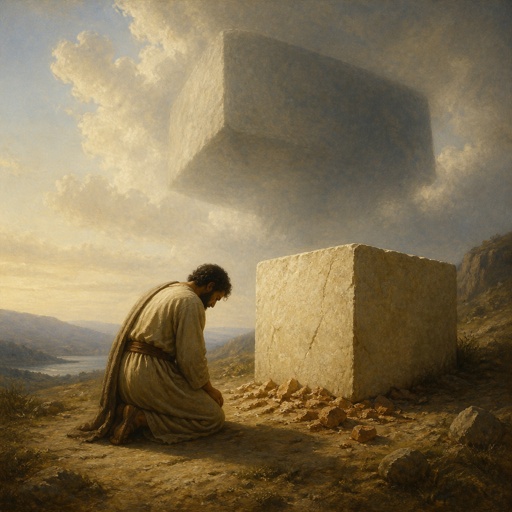
"Whosoever shall fall upon that stone shall be broken; but on whomsoever it shall fall, it will grind him to powder." - Luke 20:18

Luke 13:20-21

Luke 13:20-21

Luke 13:20-21

Luke 13:20-21
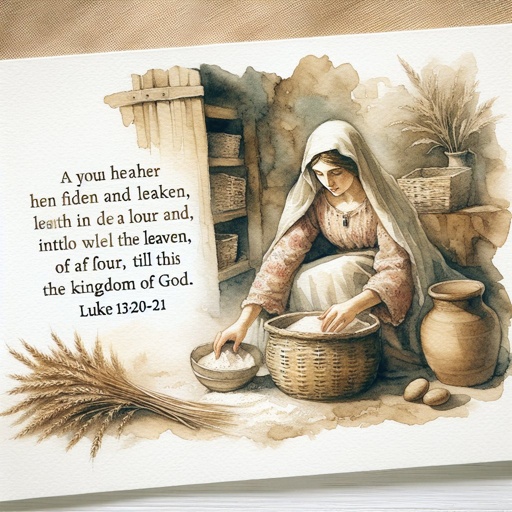
Luke 13:20-21

Luke 10:18-19

Luke 13:18-19

Luke 10:18-19

Luke 10:18-19

Luke 13:18-19

Luke 10:18-19

Luke 10:18-19

Luke 10:18-19

Luke 20:28

Luke 4:18

Luke 4:18

Luke 2:1-20

Matthew 18:20

Genesis 20-18

Genesis 18-20

Matthew 18:20

Matthew 18:20

Luke 20:7 - "And they answered, that they could not tell whence it was."

Luke 18: 9-14

Luke 8:4-18

Luke 10:18-19