What does Luke 18:20 mean?
“Thou knowest the commandments, Do not commit adultery, Do not kill, Do not steal, Do not bear false witness, Honour thy father and thy mother.” — Luke 18:20
The verse Luke 18:20 in the King James Version of the Bible states, "Thou knowest the commandments, Do not commit adultery, Do not kill, Do not steal, Do not bear false witness, Honour thy father and thy mother." This verse is a part of a larger conversation between Jesus and a rich young ruler who approaches Him seeking eternal life.
In this verse, Jesus is addressing the rich young ruler's question about what he must do to inherit eternal life. Instead of answering the question directly, Jesus challenges the young man to think about his adherence to the commandments. By specifically listing some of the commandments, Jesus is reminding the young man of his responsibility to obey and honor God's laws.
The commandments mentioned in the verse are the foundation of the moral code given to the Israelites by God through Moses. The first four commandments (Do not commit adultery, Do not kill, Do not steal, Do not bear false witness) concern human relationships, while the fifth commandment (Honor thy father and thy mother) specifically addresses the family dynamic.
The theme of the commandments and their significance in the pursuit of eternal life is central to this verse. Jesus is emphasizing the importance of living a righteous and moral life as a prerequisite for inheriting eternal life. By referencing the commandments, Jesus is also highlighting the eternal relevance and authority of God's Word, as well as the eternal repercussions of disobeying His commandments.
The verse also serves as a reminder of the interconnectedness of humanity and the importance of maintaining virtuous and respectful relationships with others. The commandments listed in this verse address fundamental acts of human behavior that have a direct impact on social harmony and well-being.
In the context of the conversation, the rich young ruler's question reflects the common belief at the time that one's status and wealth was an indication of God's favor and a ticket to eternal life. However, Jesus redirects the focus from outward actions and appearances to the state of the heart and the adherence to God's commandments. He challenges the young man to consider the true source of righteousness and the importance of living in accordance with God's will.
Symbolically, this verse represents a call to self-examination and introspection. It challenges individuals to evaluate their own adherence to God's commandments and reflect on the state of their hearts. The commandments mentioned also serve as moral guidelines that are universally applicable, regardless of one's social status or wealth.
Moreover, the inclusion of the commandment to "Honor thy father and thy mother" signifies the foundational importance of family relationships and respect for authority. This commandment also carries with it the broader implications of respect for elders and the wisdom and guidance they impart.
In conclusion, Luke 18:20 from the King James Version of the Bible conveys profound themes of moral responsibility, obedience to God's commandments, and the significance of virtuous relationships. It serves as a reminder of the eternal relevance of God's Word and the necessity of living a righteous life in pursuit of eternal salvation. The verse also symbolizes the importance of introspection and self-examination, and the fundamental role of family and social harmony in living a virtuous life.
Get our apps


Artwork for Luke 18:20

Luke 18:20 - "Thou knowest the commandments, Do not commit adultery, Do not kill, Do not steal, Do not bear false witness, Honour thy father and thy mother."

"Thou knowest the commandments, Do not commit adultery, Do not kill, Do not steal, Do not bear false witness, Honour thy father and thy mother." - Luke 18:20

Luke 20:18 - "Whosoever shall fall upon that stone shall be broken; but on whomsoever it shall fall, it will grind him to powder."
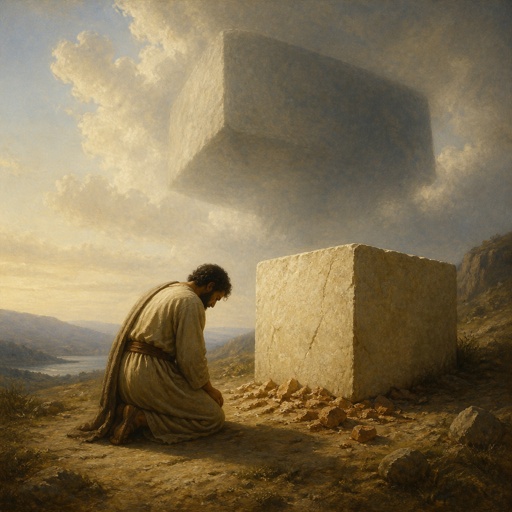
"Whosoever shall fall upon that stone shall be broken; but on whomsoever it shall fall, it will grind him to powder." - Luke 20:18

Luke 13:20-21

Luke 13:20-21

Luke 13:20-21

Luke 13:20-21
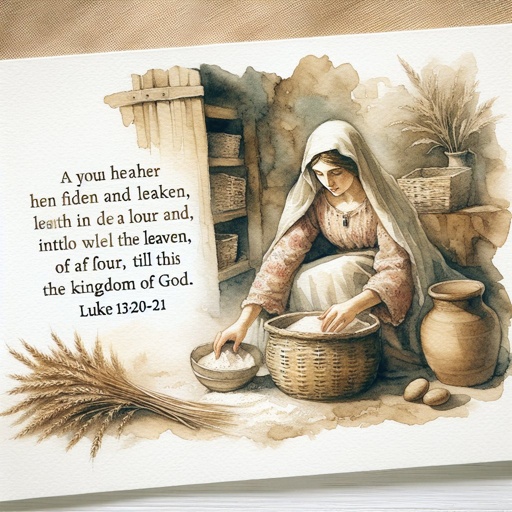
Luke 13:20-21

Luke 10:18-19

Luke 13:18-19

Luke 10:18-19

Luke 10:18-19

Luke 13:18-19

Luke 10:18-19

Luke 10:18-19

Luke 10:18-19

Luke 20:28

Luke 4:18

Luke 4:18

Luke 2:1-20

Matthew 18:20

Genesis 20-18

Genesis 18-20

Matthew 18:20

Matthew 18:20

Luke 20:7 - "And they answered, that they could not tell whence it was."

Luke 18: 9-14

Luke 8:4-18

Luke 10:18-19